Omanghana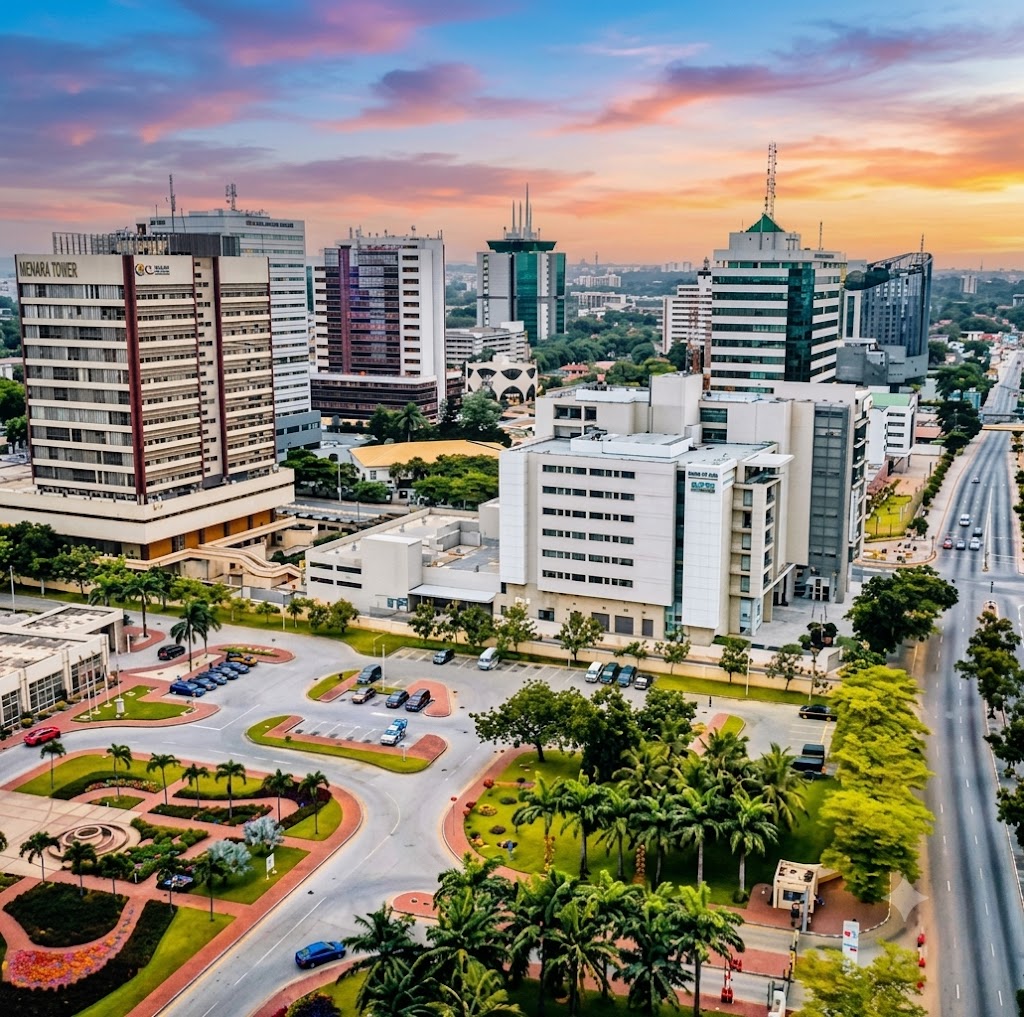
Ghana requires an estimated US$37 billion every year to address its widening infrastructure deficit and manage the pressures associated with rapid urbanization, according to findings highlighted by the World Bank.
The substantial financing requirement underscores the urgency of investing in essential infrastructure capable of transforming the country’s growing cities into productive and sustainable economic centers.
Ghana’s urban population has expanded rapidly in recent years, placing enormous pressure on municipal services and existing infrastructure. The movement of people into cities has contributed to dense and poorly coordinated development, particularly in major metropolitan areas.
Critical shortages remain in affordable housing, reliable electricity, waste treatment, efficient public transportation and other essential services. Without adequate investment and proper planning, urban expansion could deepen inequality and worsen living conditions.
Unregulated development has also accelerated the growth of informal settlements and vulnerable communities. Many of these areas lack dependable drainage systems, sanitation facilities, road networks and access to basic utilities.
The World Bank Group and Ghana’s Ministry of Local Government, Chieftaincy and Religious Affairs have therefore emphasized the need for an integrated approach to urban development.
Under the proposed strategy, investments in public transportation, electricity networks, housing and waste management must be planned and implemented together. Authorities are also being encouraged to upgrade existing informal settlements while introducing stronger planning frameworks to prevent the creation of new slums.
Climate resilience remains another important component of the proposed intervention. Ghana’s cities regularly experience seasonal flooding, which damages property, disrupts businesses and threatens lives.
Experts have consequently called for sustainable drainage systems and climate-resilient buildings capable of withstanding extreme weather conditions.
Financing the estimated US$37 billion annual requirement is expected to be particularly challenging as official development assistance and traditional donor support continue to decline.
The World Bank has recommended increased private-sector participation through well-structured public-private partnerships. Such arrangements could help mobilize capital and technical expertise for large-scale infrastructure projects.
Municipal assemblies must also improve domestic revenue collection and increase their internally generated funds. Strengthening local institutions would allow metropolitan, municipal and district assemblies to manage budgets more effectively and develop credible projects capable of attracting investment.
Closing Ghana’s infrastructure gap will ultimately require coordinated action from the central government, local authorities, development institutions and private investors.
Without sustained investment, the country risks allowing rapid urbanization to produce expanding congestion, informal settlements, flooding and pressure on public services. However, properly managed urban growth could turn Ghana’s cities into engines of productivity, job creation and long-term economic development.
Source: Omanghana