Omanghana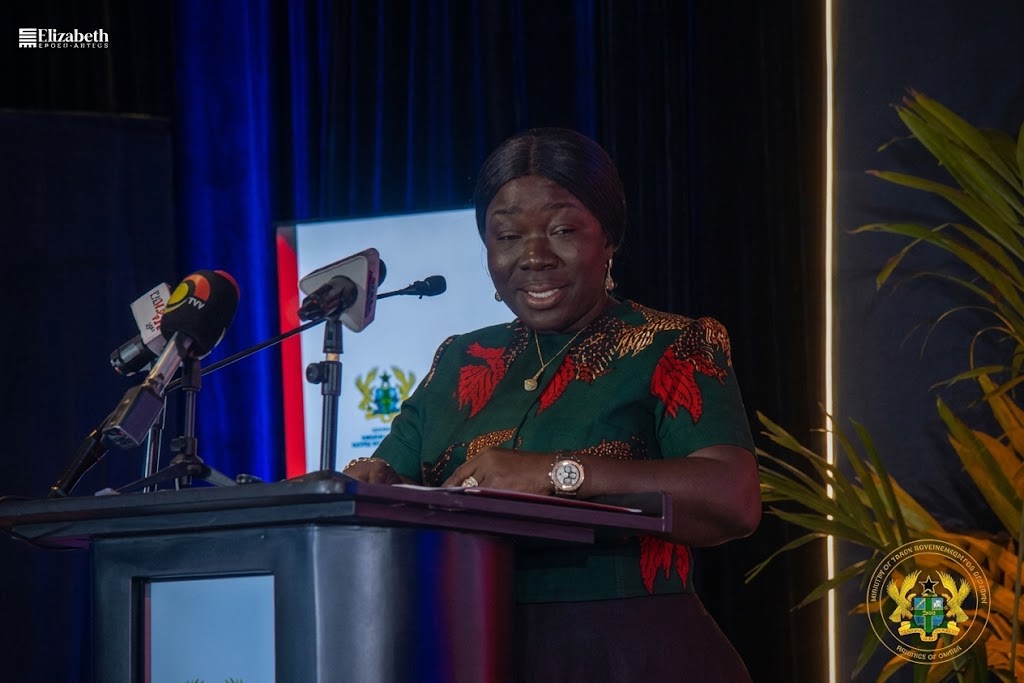
Ghana is realigning its industrial development strategy to make Special Economic Zones and free zones major drivers of domestic manufacturing, foreign investment and trade under the African Continental Free Trade Area.
The initiative seeks to strengthen local production while positioning the country as a competitive manufacturing and export hub serving markets across Africa.
Government and trade authorities are directing support towards high-potential sectors such as agro-processing, textiles and garments, pharmaceuticals, automotive manufacturing and light industry.
Developing these value chains is expected to reduce Ghana’s dependence on imported goods, create employment opportunities and increase the value of locally produced exports.
Economic zones are also being positioned as platforms through which Ghanaian companies can expand into the wider AfCFTA market. The continental agreement offers access to a combined market of more than one billion consumers through preferential tariffs and simplified trade arrangements.
Policymakers believe Ghana must increase its production capacity to take full advantage of the opportunities available under AfCFTA. This will require businesses operating within the zones to manufacture goods at competitive prices and in sufficient quantities to meet regional demand.
Recent economic zone policy discussions involving government representatives, development partners and private-sector leaders have focused on translating industrial policies into measurable results.
Stakeholders have stressed the need to remove administrative and operational barriers that increase production costs or discourage investment. Priorities include improving transport and logistics systems, ensuring reliable energy supplies and simplifying regulatory procedures.
The discussions have also highlighted the importance of stronger connections between businesses operating inside economic zones and local suppliers outside them.
Such integration could enable small and medium-sized enterprises to participate in larger manufacturing supply chains by providing raw materials, components and essential services.
Through greater public-private cooperation and effective implementation, Ghana hopes its Special Economic Zones and free zones will attract long-term investment, accelerate industrialization and expand the country’s share of intra-African trade.
Source: Omanghana