Omanghana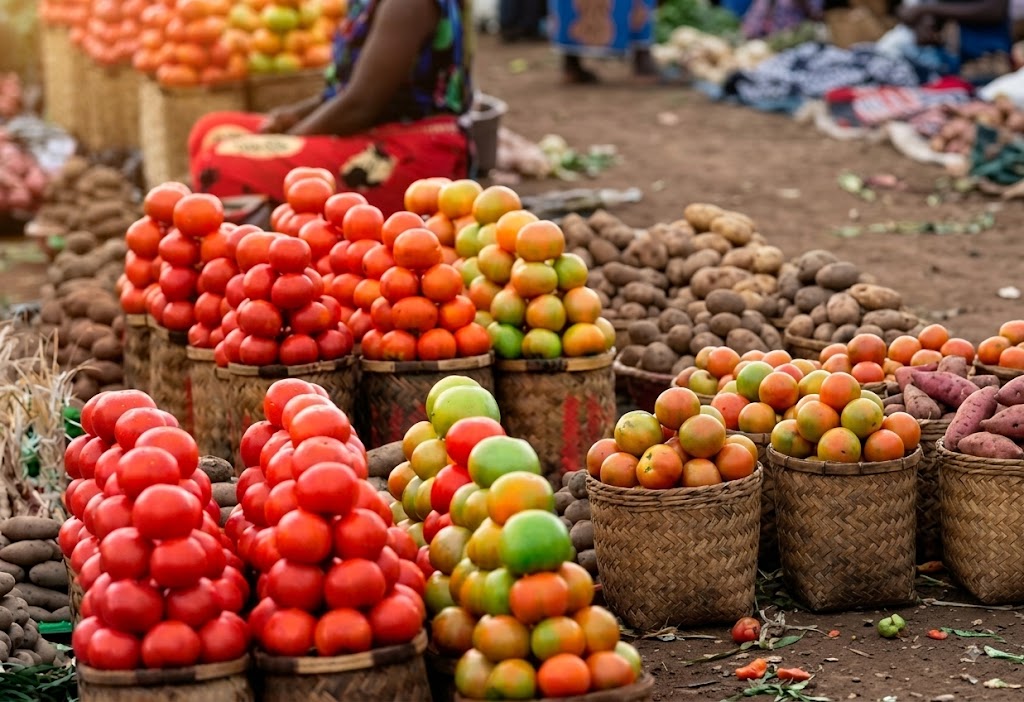
Ghana’s annual spending on imported tomatoes has exceeded $230 million, intensifying concerns about the country’s failure to develop a reliable domestic production and processing industry.
Recent data from the Council for Scientific and Industrial Research and agricultural stakeholders indicate that local farmers currently produce only 15% to 18% of Ghana’s estimated annual demand of 1.4 million metric tones.
The deficit persists despite the country possessing more than 400,000 hectares of arable land considered suitable for tomato cultivation. Researchers and agricultural organizations warn that the import bill will continue rising unless the government urgently addresses weaknesses in seed production, irrigation, storage, processing and market coordination.
Fresh and Processed Tomato Imports Drain Foreign Exchange
Ghana’s tomato import expenditure is divided mainly between fresh produce and processed products.
The country reportedly spends between $18 million and $20 million annually importing approximately 100,000 to 120,000 metric tones of fresh tomatoes. Most of those supplies come from neighboring Burkina Faso, particularly during Ghana’s dry season when local production falls sharply.
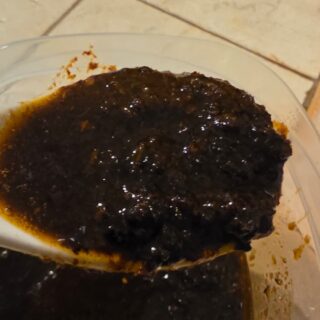
A much larger amount is used to import processed tomato products. More than $150 million is reportedly spent each year on tomato paste and concentrate, mainly sourced from China and Europe.
Processed imports have become necessary because Ghana lacks sufficient functional factories to absorb and preserve locally harvested tomatoes. The result is a system in which farmers frequently struggle to sell their produce during peak seasons while consumers and businesses depend on imported products during periods of scarcity.
The widening deficit consumes foreign exchange, weakens domestic agriculture and sends employment opportunities to countries supplying Ghana’s market.
Researchers Describe the Crisis as Self-Inflicted
Agricultural researchers, unions and business organizations argue that Ghana possesses the land, workforce and climatic conditions needed to produce a much larger share of its tomato requirements.
They describe the import dependency as a structural and largely self-inflicted problem created by years of inadequate investment and weak policy implementation.
One concern is Ghana’s heavy dependence on imported commercial hybrid seeds. More than 85% of the tomato seeds planted in the country are reportedly imported, exposing farmers to high production costs and disruptions in international supply.
Dr. Michael Kwabena Osei of the CSIR Crops Research Institute warned that a country dependent on imported seeds would struggle to achieve food independence.
“A country that imports its seed will always import its food,” he said.
Stakeholders are calling for greater investment in locally developed, climate-resilient and high-yielding tomato varieties. Such varieties must also meet the preferences of farmers, consumers and processing companies to gain widespread acceptance.
Poor Storage Causes Heavy Post-Harvest Losses
The absence of adequate cold-storage and transportation systems is another major obstacle.
Tomatoes are highly perishable and must be sold or processed quickly after harvesting. Without cold rooms, appropriate packaging and reliable transport, significant quantities spoil before reaching markets or factories.
This creates an annual cycle of abundance and scarcity. During peak harvesting periods, markets become oversupplied, prices collapse and farmers are sometimes forced to abandon produce on their farms.
Months later, local supplies fall, prices rise and traders increase imports to meet consumer demand.
The limited number of functional processing plants further worsens the situation. State-owned facilities such as the Pwalugu Tomato Factory, established in 1961, have remained non-operational for years.
Some private processors also import tomato concentrate instead of purchasing fresh produce from Ghanaian farmers. Industry stakeholders attribute this partly to inconsistent local supply, differences in tomato quality and the high cost of processing domestic produce.
Dependence on Rainfall Restricts Year-Round Production
Tomato cultivation in Ghana remains heavily dependent on seasonal rainfall. This leaves farmers vulnerable to droughts, delayed rains, flooding and other changing weather conditions.
Local supply typically declines during the dry season from November to April, forcing traders to rely more heavily on imported tomatoes.
Although public irrigation schemes cover approximately 15,000 hectares, only about 9,000 hectares are actively being cultivated. Agricultural groups say the available irrigated land is far below what is required to sustain year-round commercial production.
Expanding and rehabilitating irrigation facilities could enable farmers to cultivate tomatoes throughout the year, stabilize market supply and reduce the sharp price fluctuations experienced by consumers.
Reliable irrigation would also allow producers to plan harvests according to market and factory demand instead of concentrating production within a limited rainy-season window.
Low Yields Are Driving Farmers Away
Ghana’s average tomato yield remains between seven and 10 tones per hectare. Researchers say improved varieties and better farming practices could produce between 20 and 80 tones per hectare, depending on the production system and seed variety.
Low productivity increases the cost of each tone harvested and makes local tomatoes less competitive. Farmers must still pay for land preparation, seeds, fertilizer, pesticides, labor and transportation despite obtaining relatively small harvests.
Unpredictable prices and repeated post-harvest losses have caused some frustrated farmers to abandon tomato cultivation for crops considered less risky or more commercially stable.
If that trend continues, domestic production could decline further and deepen Ghana’s reliance on imports.
Dependence on Burkina Faso Creates Supply Risks
Ghana’s reliance on Burkina Faso for fresh tomatoes also presents a food-security risk.
Political instability, cross-border insecurity, transport disruptions and periodic export restrictions in Burkina Faso have repeatedly threatened the movement of produce into Ghana.
Any interruption can quickly reduce supplies in local markets and trigger price increases. Stakeholders say these risks demonstrate why cross-border trade should complement domestic production rather than serve as the foundation of Ghana’s tomato supply.
Strengthening local production would protect consumers from external shocks while creating jobs for farmers, transporters, seed producers, processors and other businesses across the agricultural value chain.
Stakeholders Propose Tomato Board and Research Institute
Agricultural stakeholders have proposed a coordinated strategy based on policies that protect producers, research that addresses technical challenges and markets that allow farmers to earn sustainable profits.
One recommendation is the establishment of a dedicated Tomato Board by 2028. The proposed institution would coordinate production, quality standards, pricing information, processing requirements and market access.
Stakeholders have also called for the creation of a Horticultural Research Institute by 2030. The institute would focus on developing improved seeds, controlling pests and diseases and advancing technologies suited to Ghana’s farming conditions.
Other recommendations include major investments in irrigation, cold storage, packhouses, transportation and private-sector processing facilities.
Affordable financing would also be required to help farmers obtain quality seeds, fertilizers, irrigation equipment and crop-protection products. Processors would need support to build factories capable of absorbing harvests during peak production periods.
Agricultural groups maintain that Ghana can substantially reduce its tomato import bill if these interventions are implemented consistently. Without coordinated action, however, low yields, processing constraints and seasonal shortages are likely to keep the country dependent on imported fresh and processed tomatoes.
Source: Omanghana