Omanghana
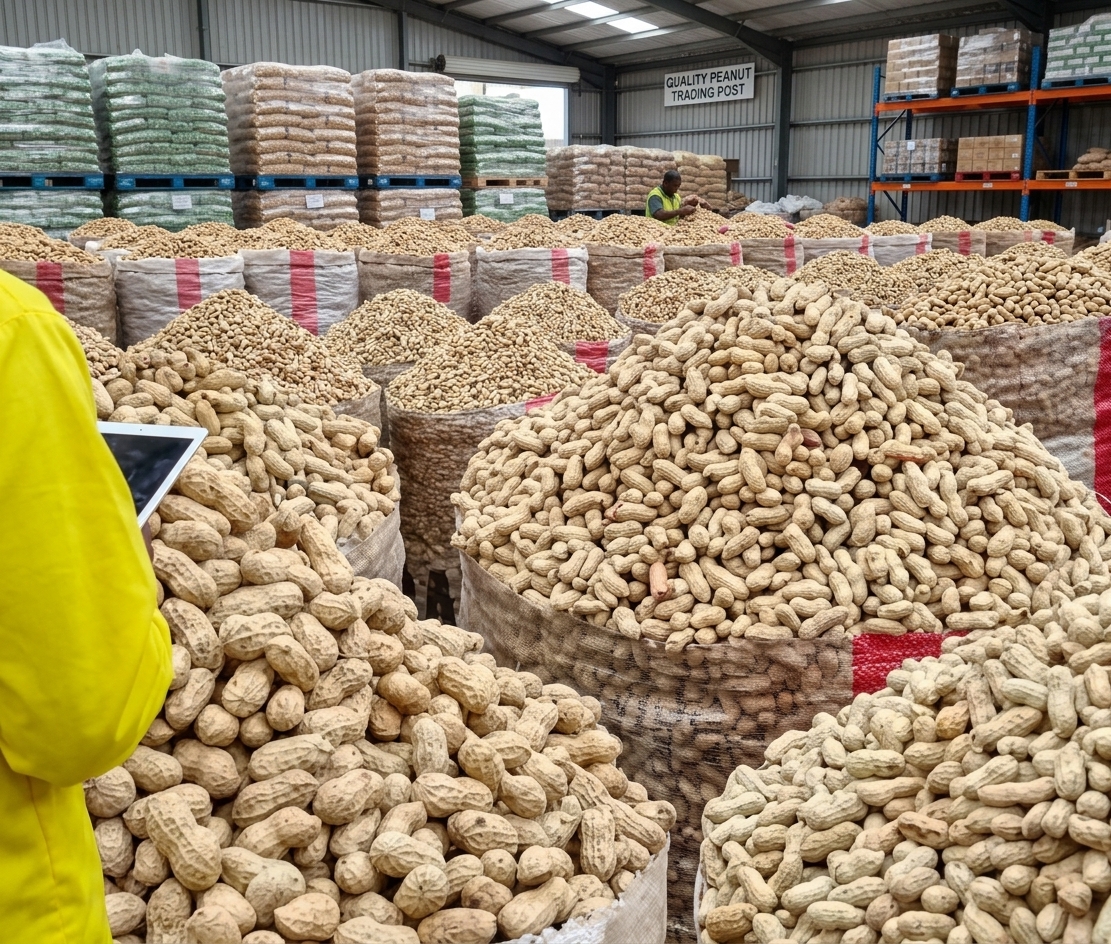
Stakeholders in Ghana’s groundnut industry are calling for stronger collaboration among farmers, researchers, seed producers and processors to improve yields, meet quality standards and expand commercial opportunities.
The call was made at the eighth meeting of the Ghana Groundnut Working Group (GGWG) in Tamale, where participants discussed how research can be translated into practical solutions for farmers and businesses.
The meeting was held under the theme, “Converting Scientific Efforts into Increased Productivity amongst Groundnut Farmers.” It brought together researchers, government representatives, seed producers, processors, development partners and students.
Challenges facing producers
Participants identified limited access to improved seeds, poor soil fertility, pests, diseases and changing weather conditions as some of the barriers affecting production.
They also stressed the need to improve harvesting, drying, storage and processing so that more locally grown groundnuts meet the standards required by buyers.
Alhaji Fataw Alhassan of SM Ghana Limited said processors faced difficulties sourcing groundnuts that met quality requirements, particularly those relating to moisture content and aflatoxin contamination.
Aflatoxins are harmful substances produced by certain fungi. Contamination can occur before or after harvest and may pose health risks and limit access to markets. Proper drying, storage and testing can help reduce the risk.
Research points to higher yields
A separate study published in 2025, involving researchers from the Council for Scientific and Industrial Research–Savanna Agricultural Research Institute (CSIR-SARI), examined improved farming practices through on-farm trials in Ghana.
The researchers reported higher yields from several approaches:
| Practice | Reported pod yield | Comparison |
|---|---|---|
| Integrated pest management | 1.03 tones per hectare | About 61% higher than the farmers’ practice of 0.64 tones per hectare |
| Triple superphosphate and Rhizobium inoculant | 1.01 tones per hectare | About 77% higher than the control yield of 0.57 tones per hectare |
| YARA-Legume fertilizer and Rhizobium inoculant | 1.22 tones per hectare | About 114% higher than the control yield of 0.57 tones per hectare |
The study also reported yield increases of 23.5% from organic manure, 30% from mineral fertilizer and 39% from a combination of both, compared with a control.
The findings reflect the conditions of the trials; results on individual farms can vary. The researchers also identified the cost and availability of improved technologies as barriers to adoption.
Linking research to farmers
Dr Francis Kusi, Director of CSIR-SARI, said cooperation across the groundnut value chain was essential to addressing challenges on farms and in processing and marketing.
His remarks were delivered on his behalf by CSIR-SARI research scientist Dr Richard Oteng-Frimpong.
Researchers at the meeting discussed efforts to develop groundnut varieties with traits such as early maturity, higher oil content and disease resistance. They also highlighted the need to multiply improved seeds so that farmers can obtain them in sufficient quantities.
Other presentations examined drought tolerance, disease detection, weed control and post-harvest mechanization, including the potential use of drone imagery and machine learning.
Expanding commercial opportunities
Stakeholders said better access to seeds, farming inputs, technical support and processing equipment could help farmers produce more groundnuts that meet the needs of local and regional buyers.
A stronger supply chain could support businesses involved in peanut butter, groundnut oil, snacks and other products, while creating opportunities for farmers to earn more from the crop.
Source: Omanghana