Ben
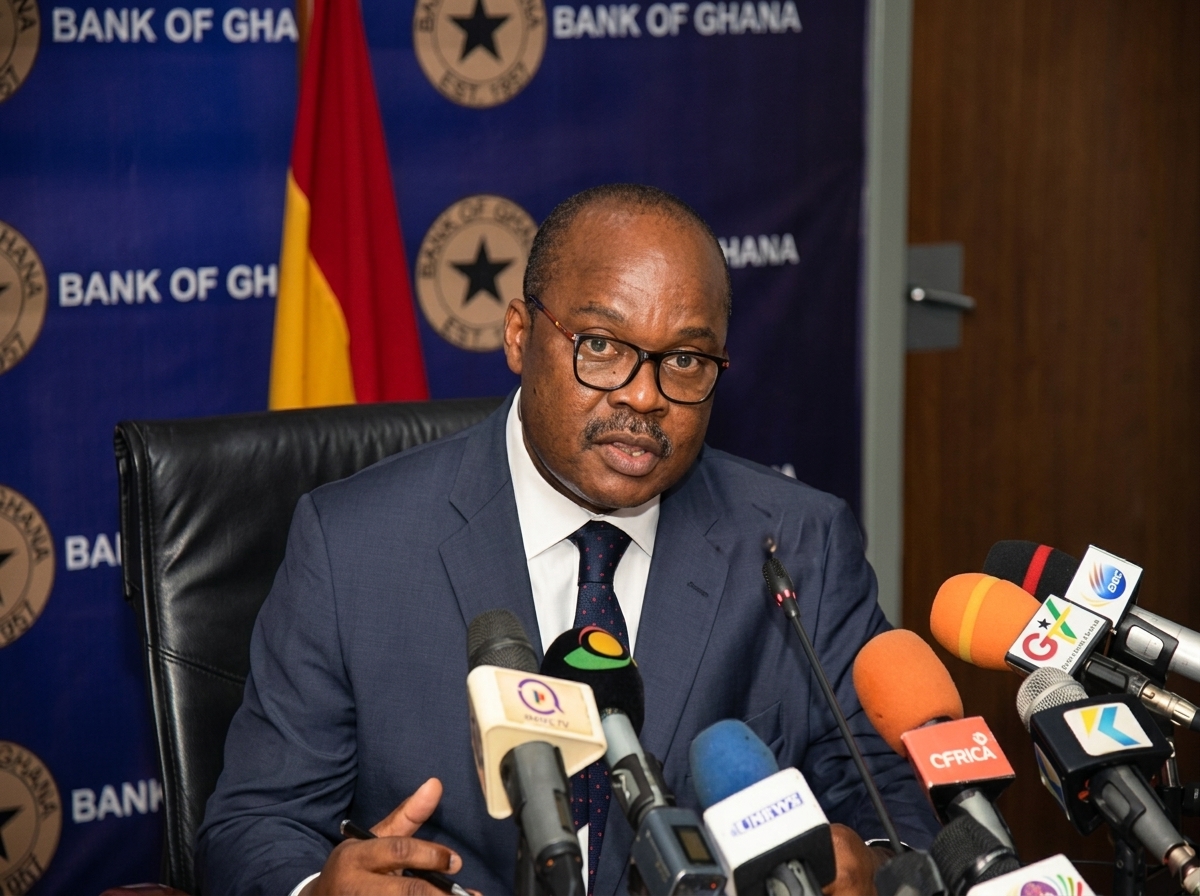
Credit to Ghana’s private sector grew by 37.2% year-on-year in October 2026, reaching GH¢135.7 billion, according to the Bank of Ghana.
The outstanding credit balance rose from GH¢98.9 billion in October 2025. The annual growth rate was also higher than the 13.9% recorded a year earlier.
Growth After Inflation
In real terms, private-sector credit grew by 30% over the year to October 2026, compared with 5.4% in the corresponding period of 2025.
Using 2021 as the consumer price base, the inflation-adjusted value of credit increased from GH¢38.5 billion to GH¢50 billion.
The central bank’s data show that nominal annual credit growth remained strong during 2026, reaching 28.7% in April and 41.2% in June. It stood at 34% in September before rising to 37.2% in October.
Lending Rates Decline
The expansion in credit came as borrowing rates declined. The average commercial bank lending rate eased to 15.8% in October 2026, from 22.2% a year earlier.
Over the same period, the yield on the 91-day Treasury bill fell from 10.6% to 4.6%. The Bank of Ghana said the lower interest-rate environment improved credit conditions and increased demand for loans. bog.gov.gh
The October figures reflect a period when the central bank’s policy rate was 14%. Following its Monetary Policy Committee meeting from November 16 to 18, the bank reduced the rate to 11%. The October credit figures therefore precede that decision.
Bad-Loan Ratio Improves
The banking industry’s non-performing loan ratio declined to 13.1% in October 2026, from 19.5% in October 2025.
According to the Bank of Ghana, the improvement was supported by growth in credit and a reduction in the stock of non-performing loans.
Source: Omanghana