Omanghana
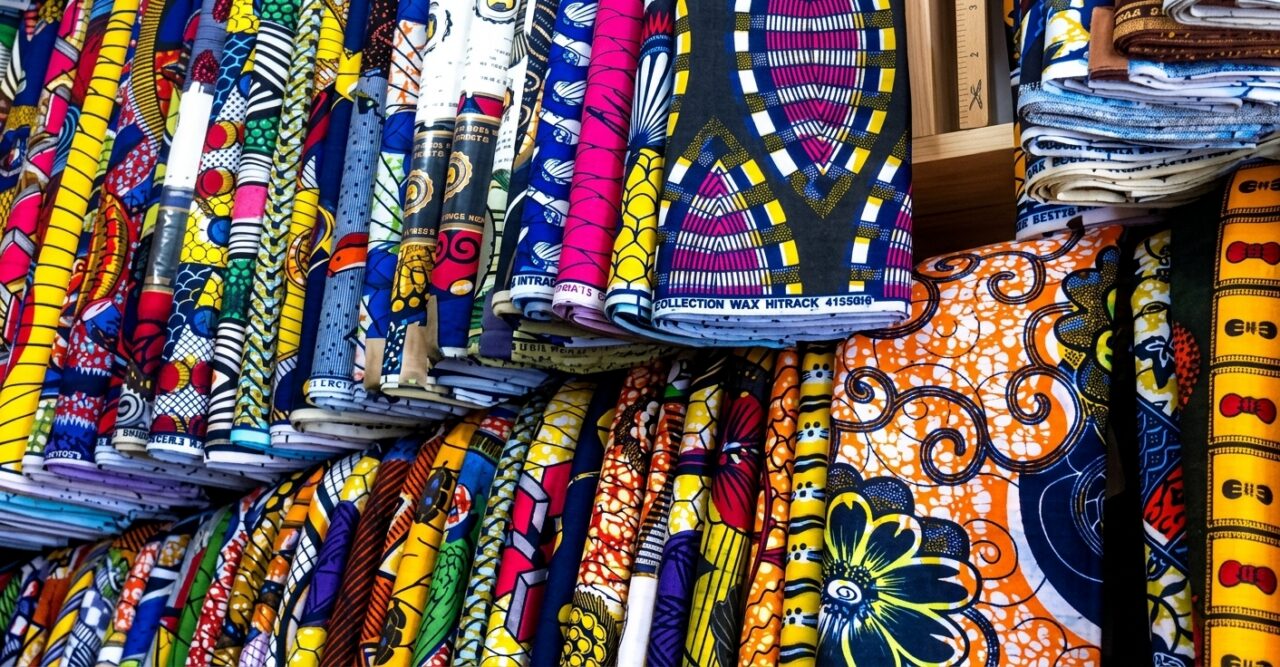
Fashion industry advocate Hillary Sarah Andoh says Ghana’s reliance on imported textiles and garments presents an opportunity for local manufacturers to expand production and serve more of the domestic market.
Ms Andoh, founder and Chief Executive Officer of HSA PR, estimates that about 70 per cent of textiles and garments consumed locally are imported. She believes Ghanaian designers and manufacturers could capture a larger share of that demand with greater investment and cooperation across the industry.
She made the remarks at the Black Star Fashion Week 2026 Summit, where she spoke on the business of fashion and its economic potential.
Building production capacity
Ms Andoh said Ghana has a market for locally made fashion products, but many businesses lack the capacity to fulfil large orders on their own.
As an example, she said a designer capable of producing 500 garments could struggle to complete an order for 2,000 pieces within 30 days. Partnerships with established manufacturers, she argued, could help smaller businesses meet such demand.
She called for closer links among fashion brands, designers, textile producers and garment manufacturers, alongside investment in skills, manufacturing facilities and market access.
New opportunities for traditional designs
The industry advocate also highlighted the potential of Ghanaian textiles such as kente and traditional garments such as fugu to reach more consumers at home and abroad.
She encouraged producers to explore more innovative and comfortable designs that respond to the needs of contemporary customers while creating new opportunities for Ghanaian fashion.
Northshore’s expansion plans
In the Northern Region, Northshore Apparel Ghana Limited is among the manufacturers expanding the country’s garment production capacity.
Its factory in Savelugu was inaugurated in August 2026. The facility has created more than 2,000 jobs, with production primarily aimed at export markets.
The company currently relies on imported fabric and other inputs. Later phases of its development are expected to include a fabric mill and a cotton outgrower scheme, which could strengthen links between cotton farmers and garment manufacturers if implemented.
Costs and competition
Local producers continue to face challenges including the cost of imported materials, electricity and equipment, as well as competition from lower-priced imports and imitation textile designs.
Ms Andoh said support for manufacturing, technical education and small businesses could help Ghana’s fashion industry grow and create more jobs, particularly for women and young people.
Source: Omanghana