Omanghana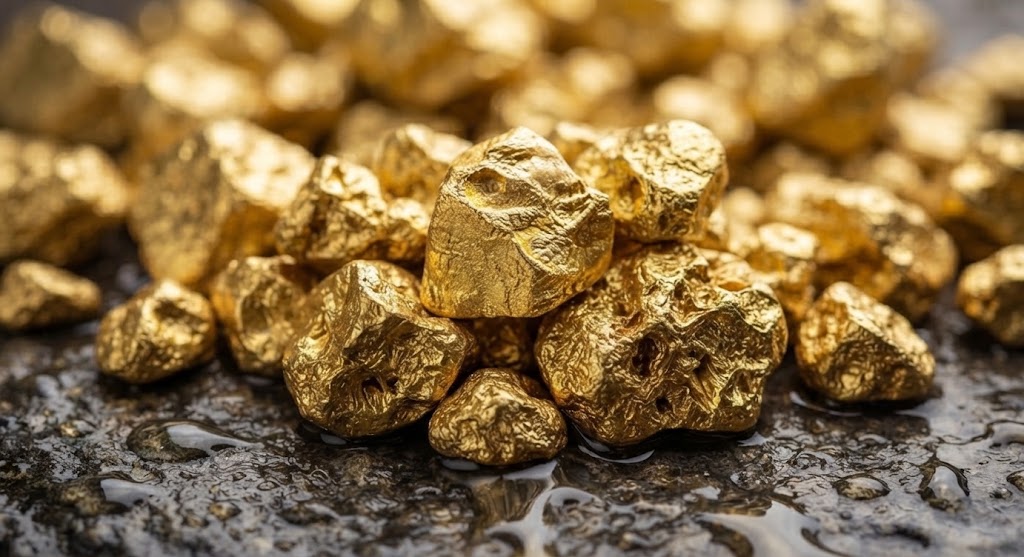
Kenya has announced plans to prohibit the export of unprocessed minerals as part of a broader strategy to expand local processing, create employment and retain more revenue from the country’s natural resources.
President William Ruto said the proposed restrictions would initially place particular emphasis on gold but would ultimately apply to all minerals extracted in the country.
Under the policy, exporting gold without first refining it locally and passing it through approved government channels would become illegal. Ruto said Kenya could no longer allow its resources to leave the country in raw form while processing, employment and other economic benefits were generated elsewhere.
The government plans to establish at least three gold refineries to support the transition. One facility is being developed in Kakamega County, a major gold-producing area in western Kenya, while other projects are under development in Nairobi.
The Central Bank of Kenya is also expected to become the first point of sale for domestically mined gold. The proposed purchasing framework is intended to provide transparent pricing, reduce the influence of exploitative middlemen and curb smuggling and illegal mineral trading.
Gold acquired by the central bank could also be added to Kenya’s official reserves, helping the country diversify its reserve assets and reduce exposure to external economic pressures.
The reforms are expected to have a significant effect on artisanal and small-scale miners, who account for most of Kenya’s domestic gold production. A large proportion of their activities remains informal, making it difficult for the government to collect royalties, enforce safety standards and determine the country’s actual production volumes.
The success of the policy will depend on the government’s ability to provide sufficient refining capacity, competitive prices and accessible legal purchasing channels. Analysts warn that enforcing an export ban before the necessary infrastructure is ready could create bottlenecks or drive more trading into informal markets.
Kenya’s approach follows similar measures adopted by Ghana and Zimbabwe to increase state oversight of the gold trade, support domestic processing and retain a larger share of mineral revenues.
Ruto said the government had instructed the Ministry of Mining to reorganize the sector and ensure that gold, rare earth minerals, coltan and other resources contribute more directly to national development.
The policy also forms part of Kenya’s wider effort to tighten oversight of mining concessions and attract investment into mineral-processing facilities rather than projects focused mainly on extracting and exporting raw materials.
Source: Omanghana