Omanghana
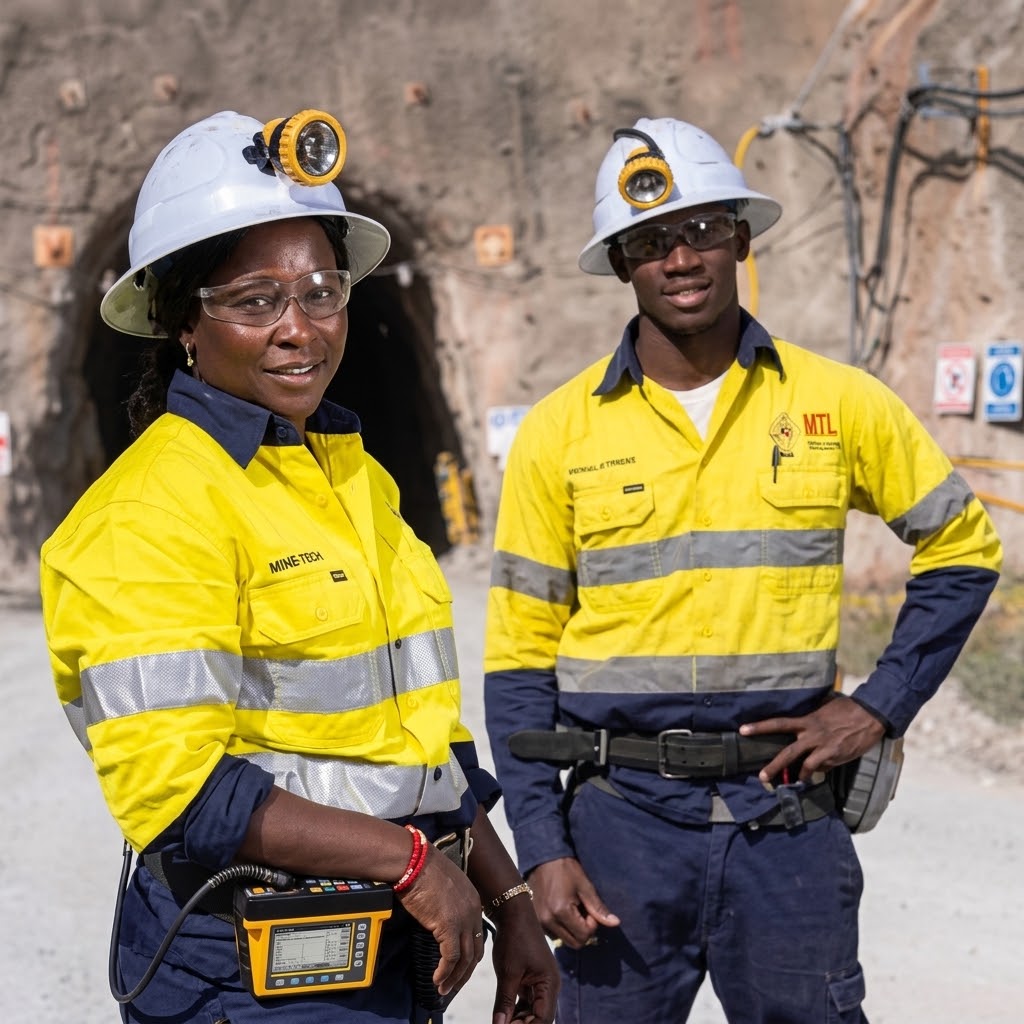
The Minerals Commission of Ghana has begun developing industry-wide minimum wage standards and tender bidding thresholds for contract mining companies operating in the country.
The initiative is intended to protect mine workers and discourage unsustainable business practices as Ghana, a leading gold producer in Africa, increases local participation in its mining industry.
The commission’s intervention follows concerns that intense competition among local contractors has encouraged some companies to submit bids below the actual cost of delivering mining services. Such aggressive underbidding can leave contractors unable to maintain equipment, provide adequate training, meet safety requirements or execute projects sustainably.
Concerns have also been raised about the effect of increased outsourcing on workers. Employees and the Ghana Mineworkers’ Union have complained about salary reductions, job insecurity and significant wage differences between workers employed by local contractors and those working for foreign-owned operators.
Under the proposed framework, subcontractors will not be permitted to pay employees below an established wage floor. Tender bids will also be assessed against a minimum benchmark that considers fair remuneration, technical competence, safety capacity and the financial ability of contractors to complete projects.
The measures form part of Ghana’s broader effort to strengthen local content requirements in the mining sector. Under the policy, surface mining activities—including blasting, loading, hauling and dumping—must be assigned entirely to Ghanaian-owned contractors.
Underground mining operations must also be undertaken through joint ventures in which Ghanaian partners hold at least 50 per cent ownership.
The Minerals Commission has maintained that the December 31, 2026, deadline for compliance remains firm and non-negotiable. Major mining companies operating in Ghana, including Newmont, Zijin and the Ghana Manganese Company, are expected to meet the requirements by the deadline.
The Ghana Chamber of Mines has argued that the use of contract mining services should remain voluntary rather than compulsory. However, it supports the introduction of wage floors and bidding thresholds to prevent damaging price competition.
According to industry stakeholders, excessively low bids could undermine workers’ salaries, safety training and the overall quality of mining operations. The proposed regulations are therefore expected to create fairer competition while ensuring that the expansion of local participation does not come at the expense of worker welfare or operational safety.
Source: Omanghana