Omanghana
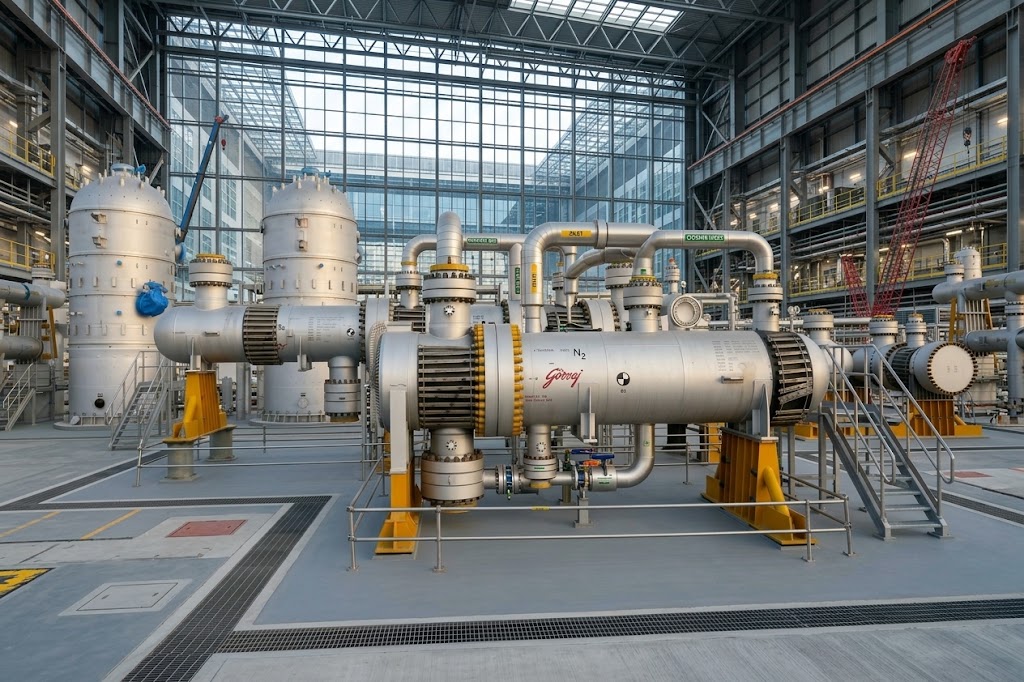
Nigeria has acknowledged that inadequate domestic crude supplies are forcing the Dangote Petroleum Refinery to source feedstock overseas, highlighting the supply challenges facing Africa’s largest oil producer.
Despite Nigeria’s substantial crude output, local supply arrangements have been unable to guarantee the uninterrupted deliveries needed to sustain the refinery’s production ambitions. The facility has consequently diversified its purchases to maintain operations and prepare for further expansion.
According to a recent prospectus, the refinery has processed 36 crude grades sourced from Africa, South America, the United States and the Middle East. Access to these different sources provides flexibility when domestic deliveries fall short.
Reliable feedstock supplies will become increasingly important under plans to raise the refinery’s crude distillation capacity from 700,000 barrels per day to 1.4 million barrels per day. The proposed expansion would also increase annual polypropylene production from 900,000 metric tones to 2.4 million metric tones.
Even as it grapples with supply constraints, the refinery is reshaping regional petroleum trade. Its operations have reduced Nigeria’s dependence on refined fuel from Europe, with South Africa reportedly overtaking Nigeria as Africa’s largest importer of petroleum products.
The facility has also expanded deliveries to other African countries. It recently supplied 17 petrol cargoes to markets in West, Central and East Africa, helping ease shortages linked to global tensions.
Its reach extends to Europe, where it is reported to supply roughly one-fifth of jet fuel demand. At certain periods, these shipments have positioned Nigeria as Europe’s second-largest aviation fuel supplier after the United States.
Alongside the industrial expansion, Aliko Dangote has outlined plans for an initial public offering described as potentially the largest in African history. The proposal includes ambitions to widen investor access through African exchanges, including the Nairobi Securities Exchange.
Such a listing could give investors across the continent greater access to the business while drawing attention to the barriers that continue to limit cross-border investment.
For the refinery, securing sufficient crude remains central to its next phase of growth. Its increasingly diverse supply network underscores the gap between Nigeria’s position as a major oil producer and its ability to consistently meet the needs of a large domestic refining operation.
Source: Omanghana