Omanghana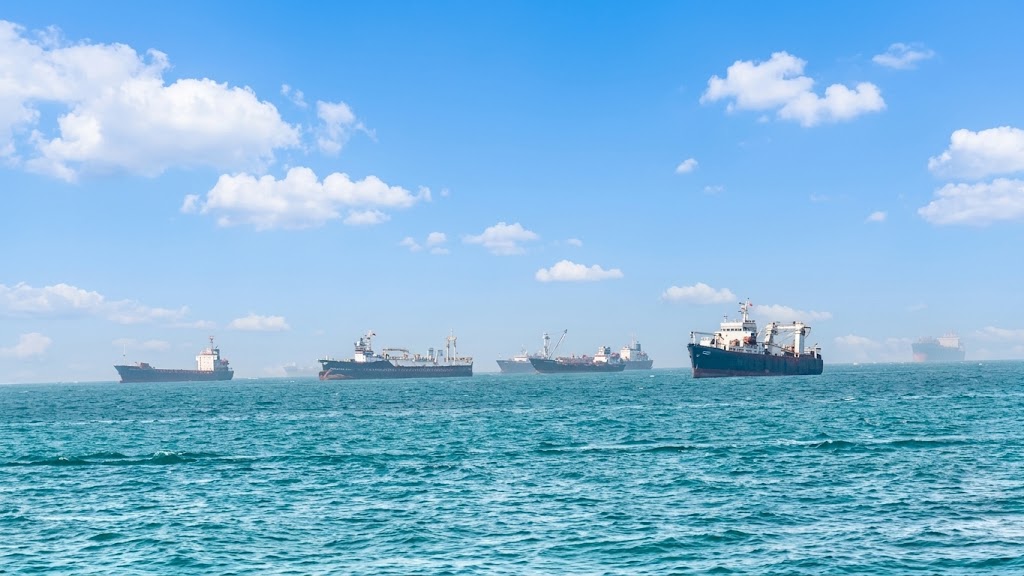
Global crude oil prices traded close to $96 per barrel as escalating military tensions between the United States and Iran disrupted commercial shipping through the Strait of Hormuz.
Brent crude traded between $95.67 and $96.06 per barrel, putting the international benchmark on course for a weekly gain of more than seven percent. US West Texas Intermediate crude climbed to between $91.56 and $92.10, representing an increase of about 10 percent for the week.
Both benchmarks were heading towards their strongest weekly performance since mid-July as traders assessed the risk of prolonged supply disruptions in the Persian Gulf.
Commercial traffic through the Strait of Hormuz declined sharply following military exchanges between the United States and Iran. Data from shipping analytics company Kpler showed that only four commodity vessels passed through the waterway on Thursday, compared with a 10-day rolling average of 15.
Although some vessels may have travelled with their Automatic Identification System transponders switched off, the recorded decline reflected growing caution among shipping companies, tanker operators and maritime insurers.
The Strait of Hormuz is one of the world’s most important energy routes, carrying oil volumes equivalent to roughly one-fifth of global consumption. Any prolonged disruption could limit exports from major Persian Gulf producers and place further pressure on global energy supplies.
Recent US military escort operations temporarily allowed significant crude volumes to move through the chokepoint. However, renewed retaliatory attacks on regional military targets have increased concerns that commercial transit could face further restrictions.
Pressure in the crude market has been intensified by tightening supplies of refined petroleum products. US diesel prices reached record levels amid declining distillate inventories and disruptions affecting refineries in different parts of the world.
Limited spare capacity across physical energy markets has left consumers and businesses more vulnerable to additional supply shocks.
For countries that depend heavily on imported energy, sustained crude prices in the mid-to-high $90 range could increase transportation and production costs. The trend may also revive inflationary pressures and complicate efforts by governments and central banks to stabilize consumer prices.
Source: Omanghana