Omanghana
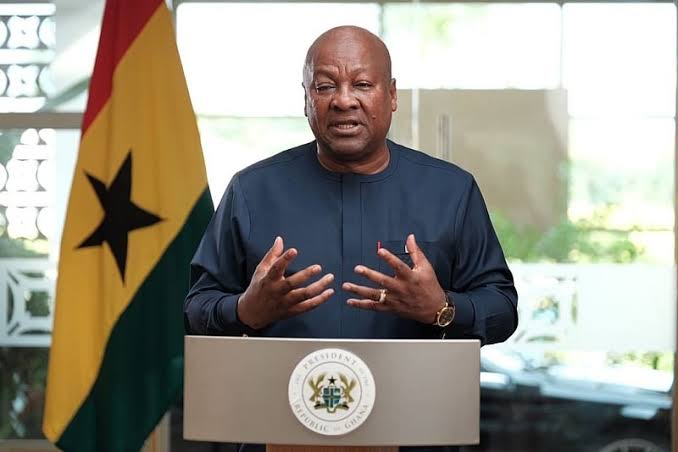
Only 7.7 per cent of Ghana’s 2.64 million businesses were classified as formal in 2024, Government Statistician Dr Alhassan Iddrisu has disclosed, highlighting persistent challenges in enterprise development and job creation.
Speaking at the launch of Ghana in Numbers 2025 in Accra, Dr Iddrisu said business establishments had expanded significantly over the past decade, but employment had grown more slowly.
Micro-enterprises accounted for approximately nine out of every ten businesses, underscoring the dominance of small-scale operations in the economy.
Business Growth Outpaces Employment
According to Dr Iddrisu, the number of establishments nearly tripled between 2014 and 2024, while the number of people working in them doubled.
The figures point to a challenge beyond encouraging business formation: helping enterprises expand sufficiently to create more jobs.
Although unemployment declined from 14.6 per cent in 2023 to 12.8 per cent in 2025, more than 70 per cent of jobs remained informal. Dr Iddrisu called for greater attention to policies that support small businesses to grow and formalize.
Open-Space and Mobile Businesses Play Major Role
The Integrated Business Establishment Survey captures businesses operating from conventional premises as well as those trading in open spaces or moving between locations.
Approximately 1.87 million businesses operated from fixed structures, while 693,748 used open spaces and 82,920 operated on a mobile basis. Together, open-space and mobile businesses accounted for nearly 30 per cent of the total.
Open-space businesses include roadside traders and vendors around markets and residential areas. Mobile businesses include hawkers and operators selling goods using vehicles, carts and other means.
Open-space enterprises employed 922,177 people, illustrating their importance to livelihoods and access to everyday goods and services.
Supporting Businesses to Grow
Dr Iddrisu has urged government and local authorities to improve market infrastructure, including storage, sheds and sanitation, while supporting businesses to transition into the formal economy.
He has also called for expanded access to microfinance, digital payments and training in financial literacy, business management and digital skills.
The Ghana in Numbers 2025 publication brings together economic and social indicators to support planning and investment. Its accompanying online portal provides district-level information, interactive maps and downloadable data to help policymakers and businesses make informed decisions.
Source: Omanghana