Omanghana
Russia is widening its engagement with West Africa through cultural programs, educational exchanges and proposed agricultural partnerships, adding new dimensions to its diplomatic and security relationships across the region.
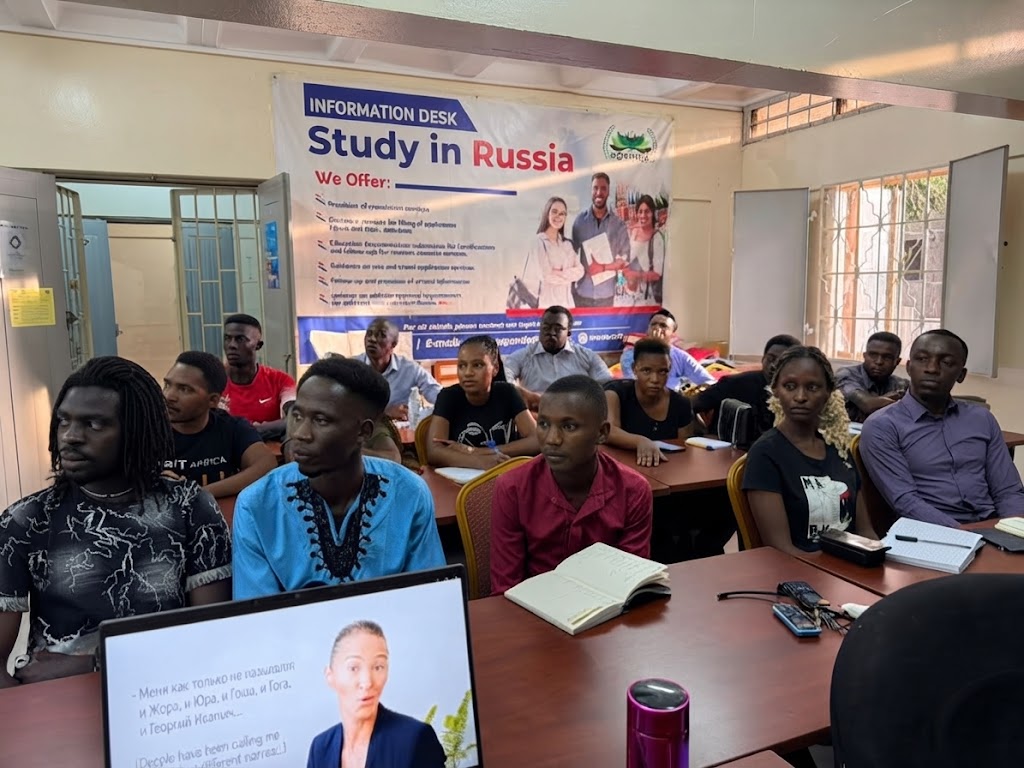
In Ghana, the Centre for Public Diplomacy (CPD) is pursuing these activities through its Partner Russian House in Kanda, Accra. The center hosts language lessons, film screenings, literary events and celebrations of Russian traditions to encourage interaction with local communities.
CPD Executive Director Dr Nataliia Krasovskaia described cultural exchange as a means of building understanding beyond political relations, with education and agriculture forming other priorities for the organization.
The outreach coincides with plans by Russia’s international cooperation agency, Rossotrudnichestvo, to establish eight additional Russian Houses in Africa. The proposed centers would expand a network reported to comprise 16 facilities on the continent.
Operating through local partnerships, the centers are intended to promote Russian language teaching, university opportunities and cultural activities. A micro-grant program planned for 2027 would support education, science, technology, culture and youth projects abroad.
Separately, the CPD says it operates in 12 African countries and aims to reach 14 by the end of 2026. Its West African presence includes Ghana, Burkina Faso, Mali, Niger, Senegal, Guinea, Togo, Sierra Leone and Liberia.
Its proposed agricultural cooperation centers on knowledge exchange and practical skills that participants could apply in their home countries. The organization presents these initiatives as investments in relationships that can continue across generations.
However, Russia’s expanding cultural network has attracted scrutiny over its political objectives. Researchers at the Centre for a New American Security argue that cultural institutions, media outreach and other civilian initiatives form part of Moscow’s broader effort to strengthen its influence and challenge Western partnerships in Africa.
The expansion therefore carries both development opportunities and geopolitical questions. For participating African institutions, a central consideration will be whether the programs deliver useful training, research partnerships and agricultural benefits that reflect local priorities.
Source: Omanghana