Omanghana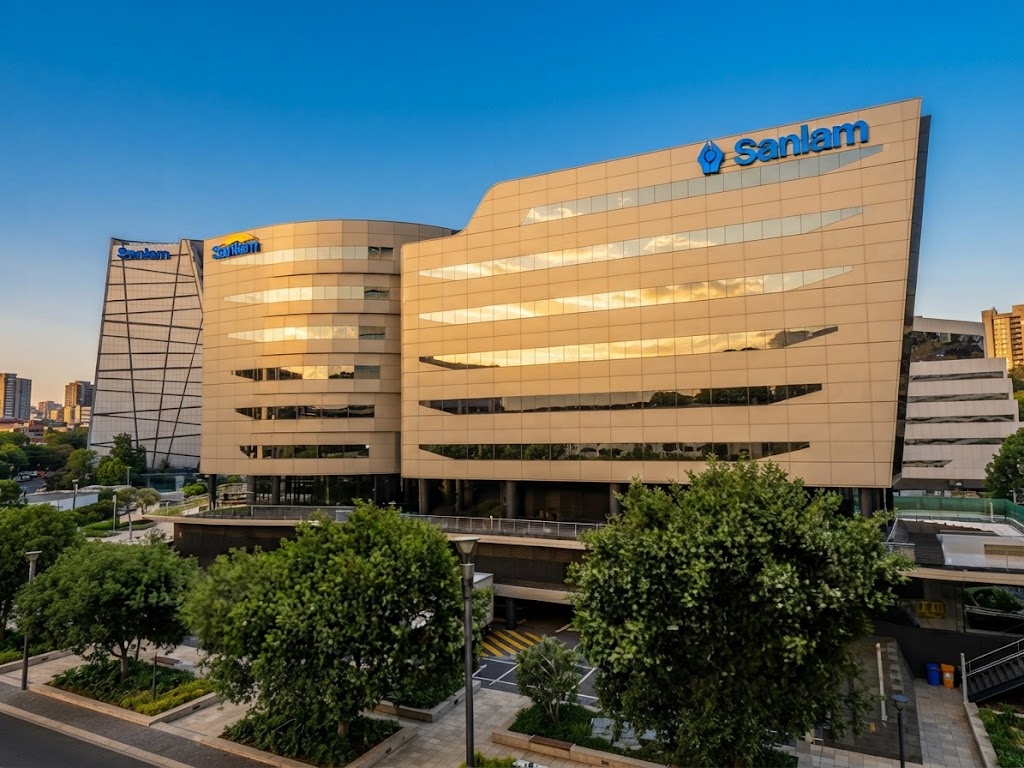
South African financial services group Sanlam has proposed buying the remaining minority shares in Santam for R505 each in cash, in a transaction that could end the insurer’s 62-year listing on the Johannesburg Stock Exchange.
Announced on October 5, 2026, the proposed acquisition is valued at approximately R16 billion. Sanlam already owns 62.7% of Santam and is seeking to acquire the remaining 37.3%, which would make South Africa’s largest short-term insurer a wholly owned subsidiary.
The offer represents a 26.6% premium to Santam’s closing share price on October 2. It is also 25% above the company’s 30-day volume-weighted average price and 28.6% higher than its 90-day average, exceeding its previous record share price of R451.70.
Investors responded positively to the announcement, with Santam shares reportedly rising as much as 22% during trading and reaching R475.
Santam’s independent board has unanimously supported the proposed scheme of arrangement following negotiations lasting approximately 12 months. It intends to recommend that eligible minority shareholders vote in favour of the transaction.
A general meeting to consider the proposal is expected on or around November 30, 2026. Implementation is targeted for the first quarter of 2027, subject to regulatory approvals and other closing conditions.
The transaction requires approval from shareholders and relevant regulatory authorities, including South Africa’s Prudential Authority and the Takeover Regulation Panel. If completed, Santam would delist from the JSE, the Namibian Stock Exchange and A2X Markets.
Sanlam Group Chief Executive Paul Hanratty described full ownership as a natural progression in a relationship between the companies that stretches back more than a century.
The acquisition forms part of Sanlam’s broader ambition to simplify its group structure and accelerate growth. Full ownership is intended to improve capital efficiency and liquidity while strengthening coordination across its life insurance, general insurance and asset management businesses.
Source: Omanghana