Omanghana
Shea industry stakeholders in Ghana are calling for investment in local testing and organic certification facilities to reduce production costs, speed up access to export markets and strengthen domestic processing.
Hajia Rabiatu Abukari, Northern Regional President of the Ghana Shea Employers Association and Chief Executive Officer of Maltiti A. Enterprise Limited, says reliance on overseas facilities is placing a financial burden on local businesses.
According to industry players, processors must send shea samples abroad for testing required by international certification processes. The associated transport expenses, testing fees and waiting periods reduce profit margins and make it difficult to respond promptly to orders.
They are urging the Ministry of Trade, Agribusiness and Industry and the Ghana Standards Authority to provide the equipment, infrastructure and technical expertise needed to make these services available locally.
Stakeholders argue that accessible testing and certification support would particularly benefit smaller processors and women-led cooperatives, which often lack the resources to absorb lengthy delays and additional export expenses.
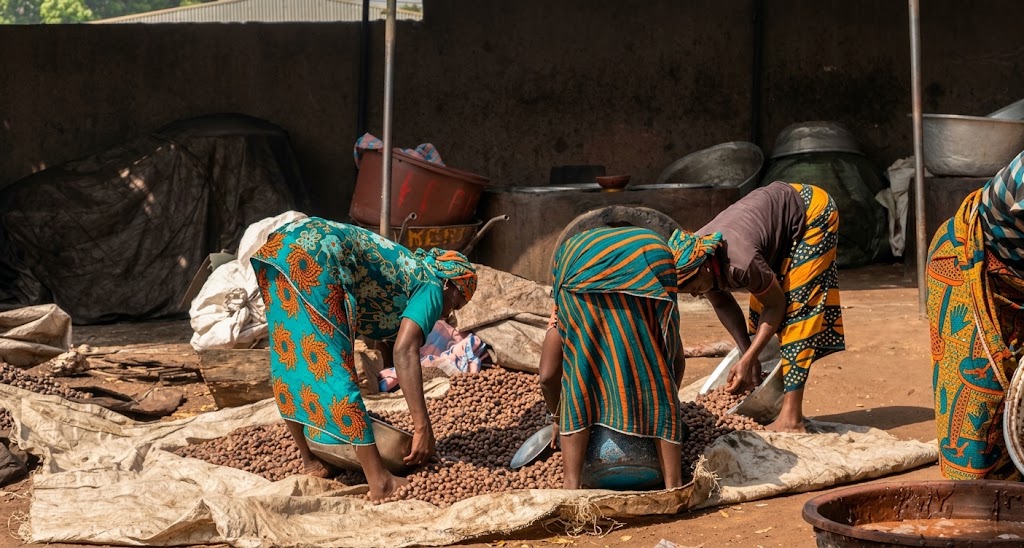
Beyond certification, processors have raised concerns about competition for raw shea nuts. They say bulk purchases by exporters reduce supplies available to domestic factories and drive up prices, leaving community-based businesses struggling to maintain production.
The concern is that Ghana loses opportunities for employment and higher earnings when nuts are exported without being processed locally into butter and other finished products.
Industry players see growing demand for organic shea products in Europe, North America and Asia as an opportunity to expand Ghana’s presence in international markets. Shea butter is used in cosmetics, food manufacturing and pharmaceutical products, creating several potential markets for local producers.
However, stakeholders say stronger domestic processing capacity must be accompanied by reliable access to raw materials and internationally recognised quality assurance services.
They have also called for action against the destruction of shea trees through charcoal production, agricultural land clearance and bushfires. Because the trees take many years to reach maturity, continued losses threaten both future production and the livelihoods of communities that depend on harvesting and processing the nuts.
Local assemblies and the Forestry Commission are being urged to strengthen protection of shea trees while supporting community-led conservation and regeneration programs.
The industry’s proposals seek to address challenges across the supply chain, from protecting trees and securing raw materials to improving processing and certification.
For local businesses, the priority is to reduce the cost of reaching international buyers while retaining more of the industry’s earnings and employment opportunities within Ghana.
Source: Omanghana