Omanghana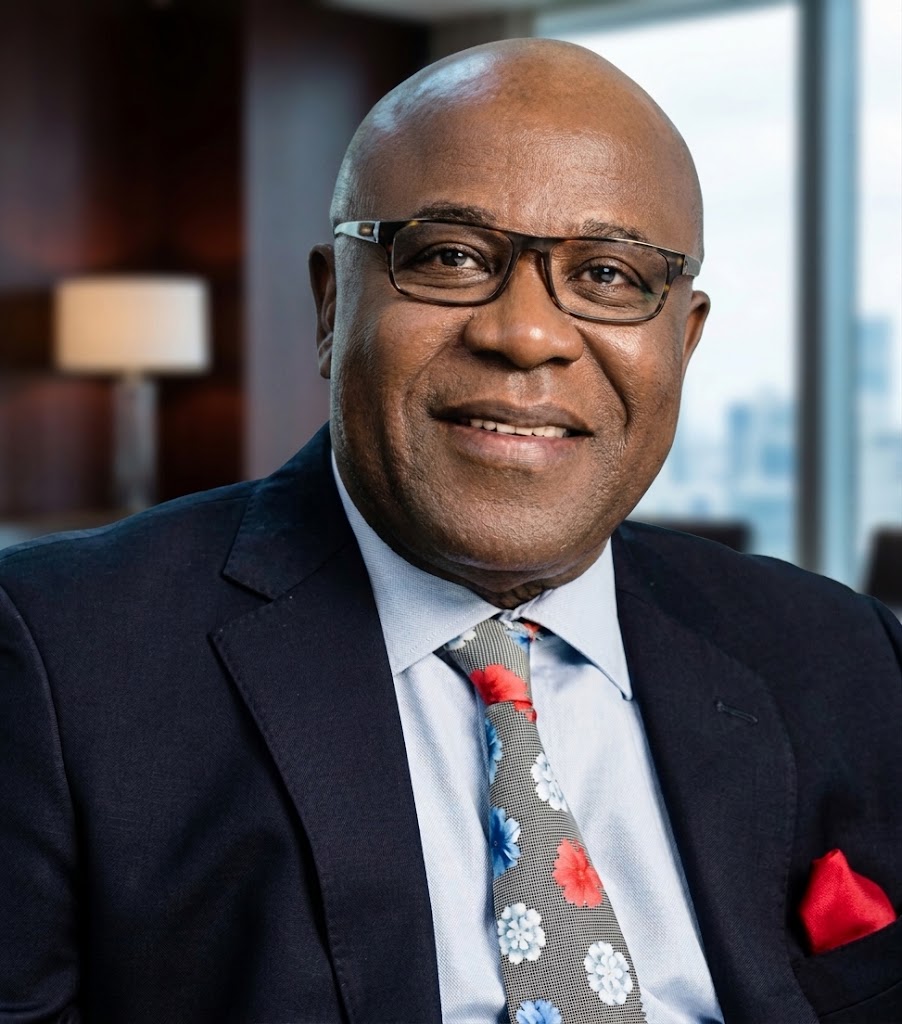
Ghanaian business leader Sir Sam Jonah has challenged African pension funds and other institutional investors to commit more capital to productive opportunities on the continent instead of relying heavily on expensive foreign financing.
Speaking at the Global Business Forum–Ghana Edition on Friday, August 28, Jonah warned that Africa’s development is being constrained by a structural financing contradiction: the continent exports its savings while importing capital at significantly higher costs.
He argued that large pools of African money remain concentrated in short-term investments even as infrastructure projects and promising local businesses struggle to secure patient, long-term financing.
Africa Exports Savings and Imports Costly Capital
Delivering the forum’s keynote address, Jonah described the situation as Africa’s “great paradox.”
He noted that pension funds and other institutional investors hold substantial domestic savings, but much of that money is placed in short-term government securities or invested outside the continent.
African governments and businesses subsequently turn to foreign lenders and international capital markets for financing, often accepting high interest rates, currency risks and restrictive terms.
“No continent in history has industrialized on rented capital alone,” Jonah said.
He stressed that foreign direct investment remains important and acknowledged the contribution international investors have made to African economies.
However, he maintained that foreign financing should complement domestic capital rather than substitute for it.
Domestic Investment Signals Confidence
Jonah argued that international investors examine the behavior of domestic institutions before committing significant funds to a country or sector.
If local pension funds, banks and investment managers are unwilling to invest in their own economies, foreign investors may interpret that caution as a warning about risk.
“Capital follows conviction; it does not substitute for it,” he said.
Jonah compared international investors to guests who are more willing to join a meal when they see that the host is already seated and participating.
African institutions must therefore demonstrate confidence by taking well-evaluated positions in domestic businesses, infrastructure and industrial projects.
Pension Funds Urged to Provide Patient Capital
Jonah called on African pension funds, sovereign investment institutions, insurance companies and private equity managers to reconsider their overwhelming preference for short-term instruments.
While recognizing their responsibility to protect contributors’ money, he argued that institutional investors could allocate a carefully managed proportion of their portfolios to productive long-term assets.
Potential areas include energy, transportation, agribusiness, manufacturing, technology and financial services.
Such investments could support job creation, expand local production and reduce Africa’s dependence on imported goods and external financing.
Patient capital is particularly important for infrastructure and industrial projects, which may require several years before generating stable returns.
Investors Must Price Risk Instead of Avoiding It
Jonah rejected the assumption that African investment opportunities must become virtually risk-free before domestic institutions participate.
He argued that every investment involves uncertainty and that successful investors distinguish themselves by identifying, pricing and managing risk effectively.
Those who wait until all uncertainty has disappeared may enter after the strongest returns have already been captured.
Domestic investors often possess better knowledge of local markets, regulations, consumer behavior and political conditions than foreign institutions. Jonah suggested that this information advantage should be used to identify viable opportunities earlier.
Responsible early investment does not require ignoring risk. It involves conducting proper due diligence, creating suitable safeguards and demanding returns that reflect the level of uncertainty.
Africa Needs Globally Competitive Companies
Jonah also called for the development of more African-owned enterprises capable of competing internationally.
He drew on his experience leading Ashanti Goldfields, which became the first operating African company listed on the New York Stock Exchange.
He said that achievement demonstrated that a properly managed African company could meet international standards, attract global investors and compete with major corporations.
Africa now needs many more companies of similar strength in agribusiness, finance, energy, technology and manufacturing, he argued.
Building such businesses should not be left entirely to governments. The private sector must provide leadership, capital, managerial expertise and long-term commitment.
Governments, meanwhile, have a responsibility to create predictable regulations, enforce contracts and maintain stable economic conditions that support investment.
Mobilizing African Savings for Development
Jonah’s remarks reflect a wider debate about how Africa can finance its infrastructure and industrial transformation without becoming increasingly dependent on external debt.
Institutional investors control large pools of long-term savings that could potentially finance development while generating returns for pension contributors and policyholders.
However, directing more money into domestic projects will require credible investment vehicles, stronger governance, transparent procurement and effective risk-sharing arrangements.
Development finance institutions and governments may also need to provide guarantees or blended-finance structures that make strategic projects suitable for cautious institutional investors.
Jonah maintained that Africa’s economic transformation will require its own investors to demonstrate confidence before expecting the rest of the world to do the same.
His address was delivered at the Global Business Forum–Ghana Edition.
Source: Omanghana