Omanghana
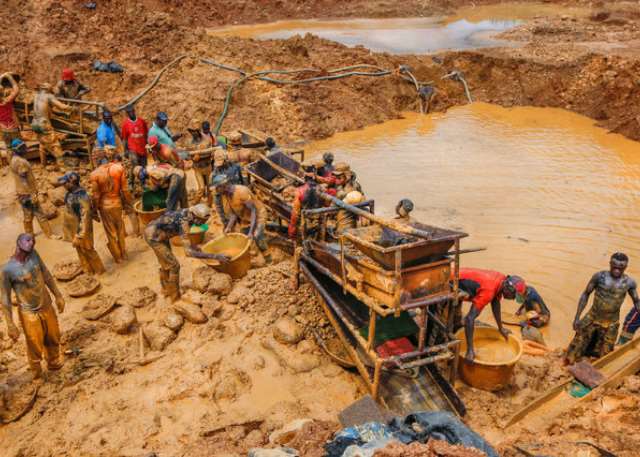
A new series of studies under the European Union-funded Gold for Good Project has uncovered alarming levels of environmental contamination, widespread illegal mining, and serious regulatory weaknesses in Ghana’s Savannah Region.
The findings highlight the growing environmental and social consequences of small-scale gold mining, particularly in the West Gonja, Bole, and Sawla-Tuna-Kalba districts.
Although small-scale mining provides an important source of income and economic opportunities for local communities, the studies reveal that widespread disregard for mining regulations is creating significant environmental, health, and security challenges.
Alarming Levels of Toxic Contamination
One of the most concerning findings relates to the extent of toxic substances detected in soil samples collected from mining areas.
According to the studies, cadmium concentrations exceeded acceptable safety thresholds in all the soil samples tested, raising serious concerns about long-term environmental damage and potential health consequences.
Mercury contamination was also widespread, with 94 per cent of the samples recording dangerous levels of the toxic substance.
The presence of mercury poses significant health risks, particularly to children and other vulnerable populations who may be exposed through contaminated soil, water, and food sources.
Widespread Illegal Mining and Limited Awareness
The research also identified major weaknesses in regulatory compliance across the region.
Only 2.92 per cent of active miners were found to possess valid mining licences, highlighting the scale of illegal mining activities.
The situation is further complicated by limited awareness of mining regulations, with approximately 74 per cent of miners reportedly unaware that specific laws and rules govern their operations.
The findings point to the need for stronger regulatory enforcement, public education, and improved monitoring of mining activities.
Mining Communities Experience Greater Economic Benefits
Despite the environmental challenges, the studies reveal that mining communities enjoy significant economic advantages compared with neighbouring communities that do not engage in mining.
Residents in mining communities reportedly earn nearly six times more than people living in nearby non-mining areas.
This economic disparity demonstrates the importance of the sector to local livelihoods while highlighting the challenge of balancing income generation with environmental protection and responsible resource management.
Weak Enforcement Creates Security Concerns
The studies also raise concerns about inadequate government oversight and poor institutional coordination, particularly along the Black Volta border.
Weak enforcement mechanisms have contributed to security tensions and conflicts in some mining communities.
The research suggests that addressing illegal mining will require stronger cooperation among government agencies, security institutions, traditional authorities, and local communities.
Women and Young People Left Out of Decision-Making
Beyond environmental and regulatory concerns, the studies identify significant social inequalities within the mining sector.
Women and young people remain largely excluded from important decision-making processes, limiting their ability to influence policies and decisions affecting their communities.
Women, in particular, are often concentrated in lower-paying activities, leaving them with fewer opportunities to benefit equally from the economic gains generated by mining.
Calls for Stronger Regulation and Sustainable Mining
The findings provide important evidence for addressing the longstanding challenges associated with artisanal and small-scale gold mining, popularly known as galamsey, in Ghana.
They also highlight the urgent need for effective environmental monitoring, stronger institutional coordination, improved public awareness, and greater inclusion of women and young people in mining governance.
While small-scale mining remains an important economic activity in the Savannah Region, the studies underscore that its long-term benefits could be undermined if environmental destruction, illegal operations, and weak regulatory enforcement are allowed to continue.
The Gold for Good Project’s findings therefore reinforce the need for a more sustainable approach that protects public health and natural resources while ensuring mining communities can benefit economically from Ghana’s mineral wealth.
Source: Omanghana