Omanghana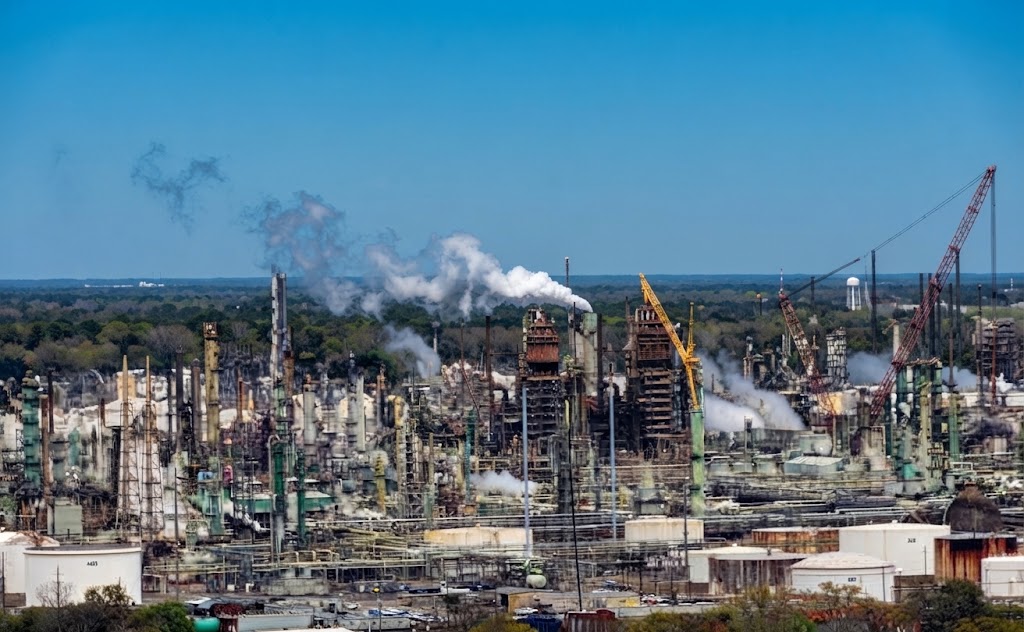
The Tema Oil Refinery’s return to profitability after a decade of losses has renewed national debate over the management, commercial viability and restructuring of state-owned enterprises in Ghana.
According to the State Interests and Governance Authority, TOR recorded a pre-tax profit of GH¢1.24 billion for the 2025 financial year, marking a significant turnaround for the state-owned refinery.
Despite the positive result, analysts have urged caution, noting that much of the surplus came from activities outside TOR’s core refining operations. The refinery recorded about GH¢1.3 billion in foreign exchange gains and GH¢155 million as its share of profit from associated companies.
TOR also completed critical turnaround maintenance on its Crude Distillation Unit and processed approximately 600,000 barrels of crude oil during the year. The development demonstrated a recovery in its technical capacity, although refining operations resumed relatively late in the financial period.
Beyond the profit announcement, the refinery cleared a major financial-reporting backlog by completing and submitting its outstanding audited accounts covering 2019 to 2024, along with its 2025 financial statements. The submissions brought TOR up to date with its reporting obligations for the first time in several years.
The refinery also made progress in reducing some of its liabilities. Trade and other payables declined from GH¢7.1 billion in 2024 to GH¢5 billion in 2025, while the number of days required to recover receivables fell from 1,099 to 652.
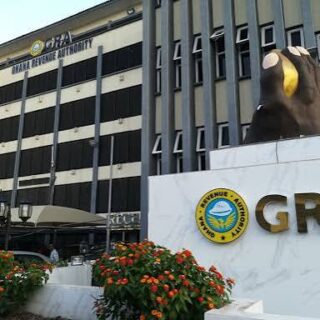
However, TOR continues to carry substantial legacy debts accumulated during years of operational and financial difficulties. Its obligations include arrears owed to the Ghana Revenue Authority, the Social Security and National Insurance Trust, utility providers and other institutions.
The financial turnaround has intensified calls for the government to ring-fence and restructure those historic liabilities so they do not undermine the refinery’s recovery or discourage future investment.
Supporters of continued state ownership argue that a fully operational domestic refinery is essential to Ghana’s energy security. They maintain that increased local refining could reduce the country’s dependence on imported petroleum products, conserve foreign exchange and provide greater protection against disruptions in global fuel markets.
Critics, however, caution that one profitable financial year particularly one driven largely by foreign exchange gains does not erase years of accumulated losses and operational challenges. They are calling for deeper governance reforms, greater commercial discipline and possible strategic private-sector participation to reduce the risk of further taxpayer-funded interventions.
TOR’s ability to sustain refining operations, manage its debts and generate recurring income from its core business will ultimately determine whether the GH¢1.24 billion profit represents the beginning of a lasting recovery or a temporary improvement in its financial position.
Source: Omanghana