Omanghana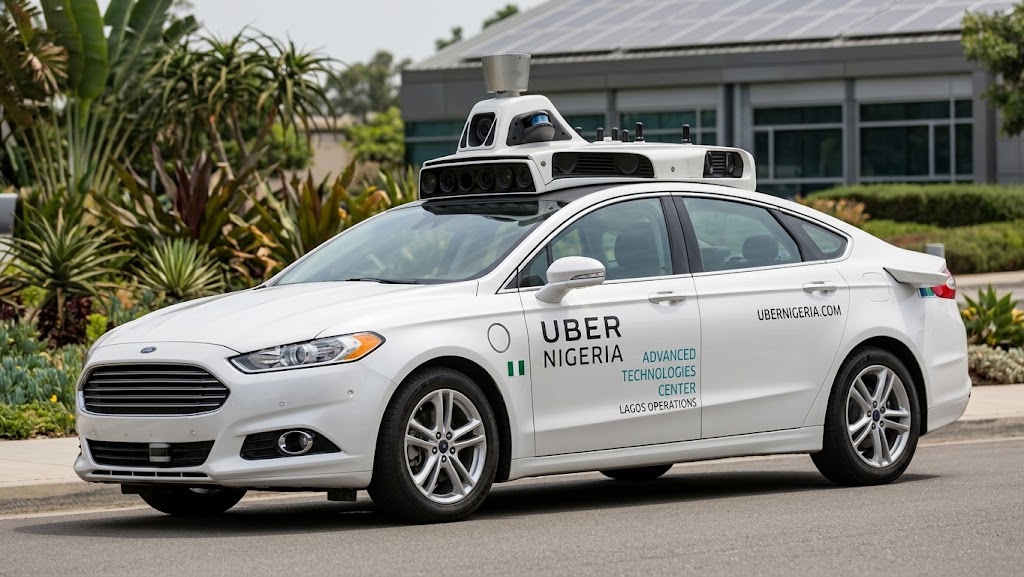
Uber has ended its ride-hailing operations in Nigeria and Uganda as part of a broader reassessment of its investment priorities.
The shutdown took effect on September 2, 2026, bringing Uber’s 12-year presence in Nigeria to an end. The company entered the country through Lagos in 2014, becoming one of the pioneers of app-based ride-hailing in the local market before expanding into other cities.
Uber said the decision followed a thorough review of its operations and would not affect its services in other African countries. It did not disclose detailed financial reasons for withdrawing from the two markets.
The company’s exit coincides with a major global restructuring involving the elimination of approximately 3,300 corporate positions, equivalent to about 10% of its workforce. It is Uber’s largest round of job cuts since the disruption caused by the COVID-19 pandemic in 2020.
Uber Moves to Simplify Corporate Structure
Chief Executive Officer Dara Khosrowshahi said Uber’s rapid growth over the previous five years had created excessive management layers, fragmented responsibilities and slower decision-making.
The restructuring is intended to reduce the number of managers, consolidate teams and direct employees and financial resources toward the company’s most important growth opportunities.
Uber is reducing the number of employees situated seven or more reporting levels below the CEO by about 20%. It is also cutting approximately half of its smallest teams, including units with only one or two direct reports.
Restaurant delivery, retail and direct-delivery operations are expected to be placed under a more unified leadership structure, while some engineering and scientific teams will also be combined.
The company is tightening its remote-work policy as part of the changes. Fully remote positions will account for approximately 1% of corporate roles, with more employees concentrated in major operational centers such as San Francisco and New York.
The layoffs apply primarily to Uber’s corporate workforce. Drivers and couriers, most of whom operate as independent contractors, are not included in the announced headcount reduction.
Savings to Support Growth and Autonomous Vehicles
Uber plans to reinvest some of the savings from the restructuring in its core ride-hailing and delivery businesses, as well as its expanding autonomous-vehicle strategy.
The company has committed more than $10 billion to autonomous-mobility partnerships as it positions its platform to host driverless vehicles developed by outside manufacturers and technology companies.
Its partners include Avride, Lucid, Nuro and Rivian, among several other autonomous-driving businesses. Uber aims to make robotaxi services available across a growing number of commercial markets as competition intensifies from companies such as Waymo and Tesla.
Rather than manufacturing most of the vehicles itself, Uber’s strategy is to integrate autonomous fleets into its existing platform. This approach could allow customers to request either conventional driver-operated vehicles or robotaxis through the same application.
Why Uber Left Nigeria and Uganda
Uber officially attributed the withdrawal to a review of its business priorities and investment focus. It said it intends to concentrate resources in markets where it can create earning opportunities for drivers at scale and provide reliable transportation for passengers.
The company did not specifically blame fuel prices, inflation, currency depreciation or autonomous-vehicle requirements for its exit. However, those conditions have placed sustained pressure on the ride-hailing industry in Nigeria and Uganda.
In Nigeria, successive increases in fuel prices have raised the daily operating costs faced by drivers. Currency depreciation, vehicle maintenance expenses and reduced consumer purchasing power have created additional challenges.
Drivers have also repeatedly complained about platform commissions, which can range between 20% and 25% depending on the service and market. They argue that commissions and operating costs leave them with increasingly narrow earnings after completing trips.
Uber and other platforms have attempted to balance driver demands for higher fares with passengers’ need for affordable transportation. That balance has become more difficult amid high inflation and unstable fuel prices.
Uganda’s ride-hailing industry has faced similar concerns surrounding low fares, driver income, motorcycle and vehicle operating costs, and competition among multiple platforms.
Robotaxi Model Difficult to Replicate Across African Cities
Uber has not directly linked the two African exits to its autonomous-vehicle program. Nevertheless, the contrast between the markets it is leaving and those receiving robotaxi investment highlights the company’s changing priorities.
Large-scale autonomous taxi operations generally require detailed digital maps, predictable road conditions, reliable connectivity, supportive regulations and customers able to pay fares that justify the technology’s cost.
Cities such as Lagos, Abuja and Kampala have large populations and strong demand for transportation. However, their ride-hailing markets remain heavily dependent on relatively affordable human-driven services operating within complex traffic systems and uneven road infrastructure.
This makes them less immediately suited to the autonomous-mobility model being developed in wealthier and more technologically prepared markets.
Uber’s African Presence Shrinks Further
The withdrawal follows Uber’s exit from Tanzania earlier in 2026 after prolonged disputes involving pricing regulations. The company also discontinued operations in Côte d’Ivoire in 2025.
Following the latest closures, Uber’s African ride-hailing operations are concentrated in four major markets: South Africa, Kenya, Ghana and Egypt.
Despite the reduction, Uber said it remains committed to Sub-Saharan Africa, which it continues to view as a region with strong growth potential and long-term opportunities.
Drivers and Riders Enter Transition Period
Uber said it would communicate directly with affected drivers, employees and customers in Nigeria and Uganda.
Its customer-support channels will remain available for 21 days after the shutdown to address outstanding account questions and other transition-related matters. In Nigeria, Uber for Business has also been discontinued.
The company has not disclosed the total number of drivers, passengers or employees affected by the withdrawal. Active Nigerian drivers are expected to receive what Uber described as a token of appreciation during the transition.
Uber also said customer information would continue to be handled under applicable privacy and data-protection laws, with records retained only where legally required.
Bolt, inDrive and Local Operators Set to Benefit
Uber’s departure creates an opportunity for competing platforms to absorb displaced drivers and passengers.
Bolt and inDrive are among the major international operators positioned to gain market share. Nigerian services such as LagRide may also benefit from increased demand, particularly in Lagos.
However, Uber’s competitors face many of the same pressures that shaped the operating environment before its withdrawal. These include volatile fuel prices, vehicle-financing difficulties, currency depreciation, commission disputes and declining consumer purchasing power.
Uber’s exit therefore reduces competition without resolving the structural challenges confronting drivers and passengers.
For the company, the simultaneous market withdrawals and corporate job cuts point to a more selective investment strategy. Uber is simplifying its global operations while directing more capital toward markets and technologies it believes can produce stronger growth, higher margins and a clearer path to autonomous transportation.
Source: Omanghana