Omanghana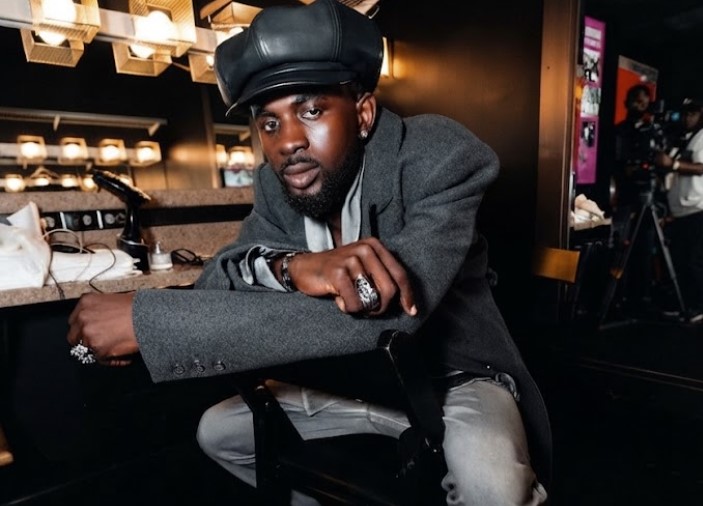
Ghanaian musician Black Sherif has described his latest musical phase as a reintroduction of himself, explaining that his evolving sound reflects different stages of his life and artistic development.
Speaking during interviews promoting his “Sun Sherif” EP, the 24-year-old artist said his recent work draws heavily from the music he experimented with during senior high school and at the beginning of his professional career in 2019.
According to Black Sherif, the new project allows him to express a level of vulnerability and creative freedom that he has long wanted to explore.
Although recent songs such as “Run Around” feature softer melodies and different production styles, the musician maintained that the foundation of his artistic identity has not changed.
“The music I was making in 2019 and in high school, they sound like ‘Sun Sherif,’” he explained.
Black Sherif said the raw melodies he developed as a student and during the COVID-19 pandemic share the same creative foundation as his current music. For him, the latest project represents a return to those early influences while revealing more layers of his personality.
His earlier releases, including “First Sermon” and “Second Sermon,” were characterized by intense delivery and drill-inspired rhythms. His newer material, however, presents a more melodic, reflective and emotionally open side of his artistry.
Despite these changes, Black Sherif said music remains a therapeutic outlet through which he documents his thoughts, emotions and state of mind. He stressed that changes in style do not mean he has abandoned the identity that shaped his rise in the music industry.
The singer also addressed discussions about Ghanaian music’s international reach, rejecting the expectation that one artist should be responsible for taking the entire industry to the global stage.
He argued that sustainable international success would require cooperation among musicians, producers, promoters, record labels, event organizers and other industry stakeholders.
Black Sherif consequently called for greater collaboration and what he described as “collective motion” across Ghana’s entertainment industry, saying individual success alone would not be enough to expand the country’s global musical influence.
Source: Omanghana