Omanghana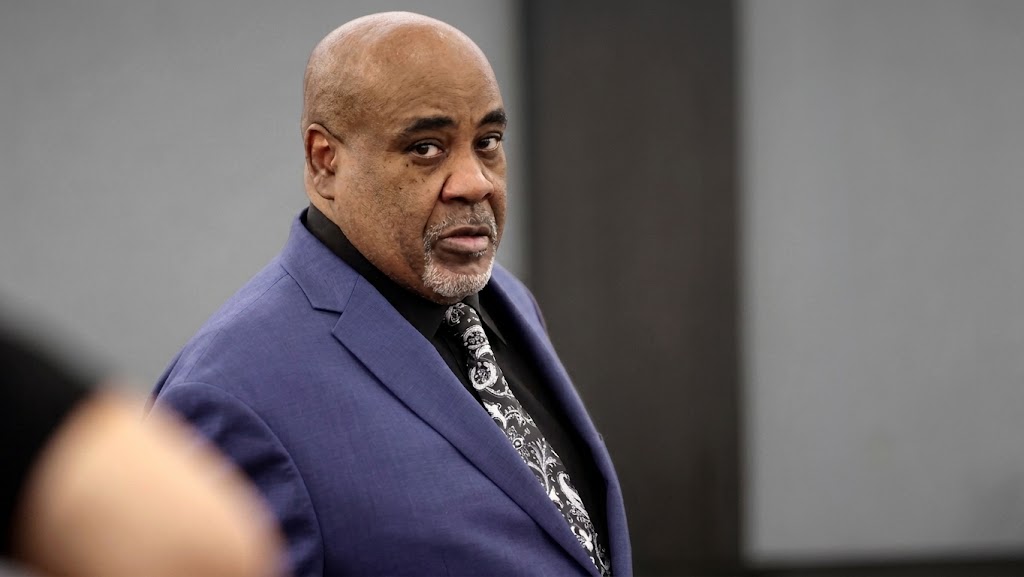
A Nevada jury has found former South Side Compton Crips leader Duane “Keffe D” Davis guilty of first-degree murder with use of a deadly weapon in connection with the 1996 killing of legendary rapper Tupac Shakur.
The verdict was delivered in Las Vegas after jurors deliberated for less than three hours following a two-week trial, marking the first criminal conviction in the nearly three-decade-old murder case.
Davis, 63, was not accused of personally firing the shots that killed Shakur. Instead, prosecutors successfully argued that he organized and facilitated the retaliatory attack that led to the rapper’s death.
Prosecutors Say Davis Orchestrated Tupac’s Killing
The prosecution’s case centred on Nevada’s aiding-and-abetting laws, under which a person who plans, assists, directs or provides the weapon for a killing can be held criminally responsible for murder even if someone else pulls the trigger.
Prosecutors portrayed Davis as the “on-the-ground, on-site commander” of the group involved in the September 7, 1996 shooting.
According to the state’s case, Davis helped gather the men who travelled in the now-infamous white Cadillac and obtained the .40-caliber Glock used during the attack.
Prosecutors argued that Davis then passed the firearm toward the back seat of the vehicle, from where the fatal shots were fired at the BMW carrying Shakur and Death Row Records executive Marion “Suge” Knight.
Shakur, who was 25 at the time, suffered multiple gunshot wounds and died six days later, on September 13, 1996.
Keffe D’s Own Statements Became Crucial Evidence
Central to the prosecution’s case were Davis’s own public statements about the killing.
Over several years, he discussed his alleged involvement in Shakur’s death through documentary appearances, online interviews and other media platforms.
He also wrote extensively about the events surrounding the shooting in his 2019 memoir, Compton Street Legend.
Prosecutors used those statements to establish Davis’s knowledge of the plot and his alleged role in organizing the group responsible for the attack.
The state argued that Davis had repeatedly provided details about the killing that ultimately helped investigators build the criminal case against him.
Prosecutors maintained that without his years of public comments and the publication of his memoir, authorities may never have obtained enough evidence to secure his 2023 indictment.
MGM Grand Fight Provided Motive for Shooting
The prosecution described Shakur’s killing as retaliation for a violent confrontation that occurred only hours earlier at the MGM Grand in Las Vegas.
Shakur and associates of Death Row Records, which had ties to the Mob Piru Bloods, were involved in an assault on Davis’s nephew, Orlando “Baby Lane” Anderson, inside the hotel.
The confrontation happened following the heavyweight boxing match between Mike Tyson and Bruce Seldon.
According to prosecutors, Davis and his associates sought revenge after learning about Anderson’s assault.
They subsequently located Shakur’s vehicle on the Las Vegas Strip before someone inside their white Cadillac opened fire.
Davis Is Only Surviving Suspect From Cadillac
Four men have long been identified as occupants of the Cadillac allegedly involved in the shooting: Davis, Orlando Anderson, Terrence Brown and DeAndre Smith.
Davis is the only one of the four who remains alive.
Anderson, who was frequently identified over the years as a possible gunman but was never convicted in connection with Shakur’s death, was killed in an unrelated shootout in Compton in 1998.
The deaths of the other alleged participants contributed to the difficulty investigators faced in bringing a criminal case decades after the shooting.
Defense Says Keffe D Exaggerated His Role for Money
Davis’s attorney, Michael Sanft, challenged the reliability of his client’s previous statements and argued that prosecutors lacked sufficient independent physical evidence connecting him to the crime.
The defense highlighted the absence of evidence such as surveillance footage, fingerprints, telephone records or definitive ballistic material placing Davis at the shooting scene.
Sanft argued that Davis’s public statements and memoir were exaggerated accounts intended to capitalize financially on the enduring fascination surrounding one of hip-hop’s greatest unsolved mysteries.
The defense maintained that Davis had engaged in sensationalized street storytelling and that statements made for documentaries, interviews and book sales should not automatically be treated as truthful confessions.
Jurors ultimately rejected that argument and accepted the prosecution’s case that Davis played a criminally responsible role in orchestrating the attack.
Keffe D to Be Sentenced in October
Clark County District Court Judge Carli Kierny scheduled Davis’s sentencing for October 13, 2026.
Prosecutors did not seek the death penalty, while a separate gang enhancement was dropped following the verdict.
A first-degree murder conviction in Nevada can carry severe punishment, including lengthy imprisonment or life in prison without the possibility of parole, depending on the sentence imposed by the court.
The conviction represents a historic development in a murder investigation that remained unresolved for almost 30 years.
Shakur’s death has generated decades of investigations, documentaries, books and speculation, becoming one of the most famous unsolved cases in American music history.
Nearly three decades after gunfire on the Las Vegas Strip ended the life of one of hip-hop’s most influential artists, the guilty verdict against Duane “Keffe D” Davis marks the first time a person has been criminally convicted for Tupac Shakur’s killing.
Source: Omanghana