Omanghana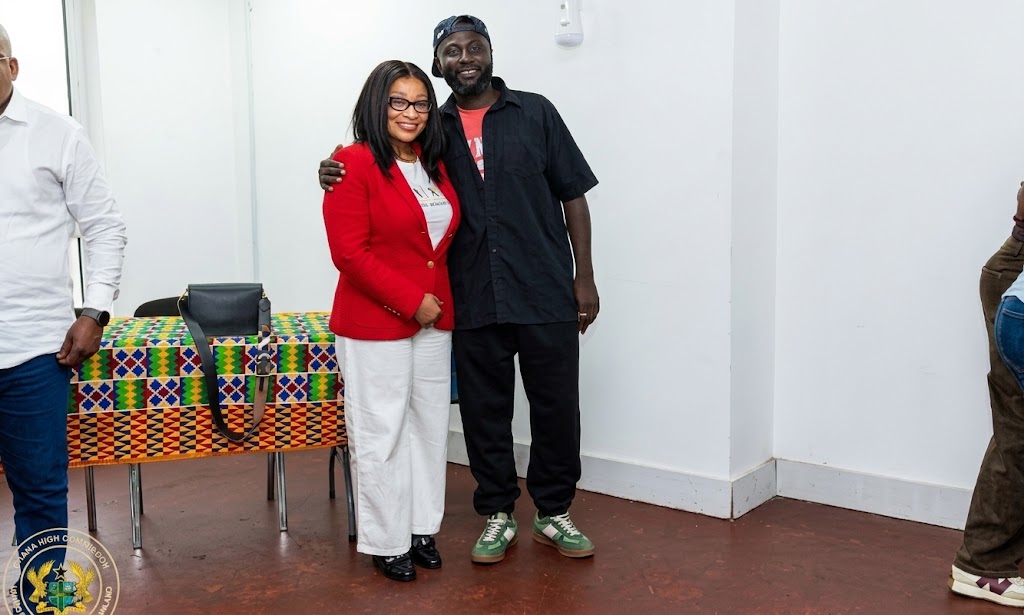
Ghana’s High Commissioner to the United Kingdom has intervened to assist veteran Ghanaian musician Isaac Barosky Cudjoe, popularly known as Barosky, following reports that he had become stranded in London.
The diplomatic mission has pledged to provide consular and welfare assistance to facilitate his safe return to Ghana and support his resettlement after arriving home.
Barosky, who gained prominence during the height of Ghana’s Hiplife era, reportedly experienced homelessness and health difficulties after falling on hard times in the United Kingdom.
Public concern over his condition intensified after videos showing his reported living circumstances circulated widely on social media. The footage prompted appeals for urgent assistance from Ghanaians in the diaspora, music enthusiasts and creative arts stakeholders.
Following the public appeals, Ghana’s High Commission in London reportedly contacted the musician to assess his immediate needs and begin the necessary processes for his repatriation.
The mission is expected to verify his identity and travel documents, conduct the required consular checks and coordinate arrangements for his journey to Ghana. Efforts are also underway to ensure that he receives appropriate medical attention and basic welfare support before travelling.
The diplomatic intervention is intended to allow the veteran musician to return home safely and with dignity.
Barosky is remembered for his contributions to Ghanaian music during the mid-2000s. He worked with prominent musicians including Ofori Amponsah and Kofi Nti on popular Hiplife and Highlife recordings such as “Otoolege” and “Emmanuella.”
He was also associated with the music group 4×4 during an earlier period of its development.
News of the High Commission’s intervention has been welcomed by members of the Ghanaian community in the UK and fans across social media. Many praised the diplomatic mission for responding to the appeals and taking steps to address his immediate situation.
Some supporters have called for the establishment of a welfare fund to help Barosky obtain accommodation, healthcare and other essential support when he returns to Ghana.
His situation has also renewed debate about the absence of reliable welfare structures for ageing and struggling entertainers. Creative arts stakeholders have been urged to develop sustainable pension arrangements, emergency assistance programs and mental health services for industry veterans.
Commentators have argued that musicians who contributed to the growth of Ghana’s entertainment sector should not be left without support when they experience financial, medical or personal difficulties.
The High Commission is expected to continue coordinating with relevant authorities, community representatives and Barosky’s family or associates as arrangements for his return progress.
Source: Omanghana