Omanghana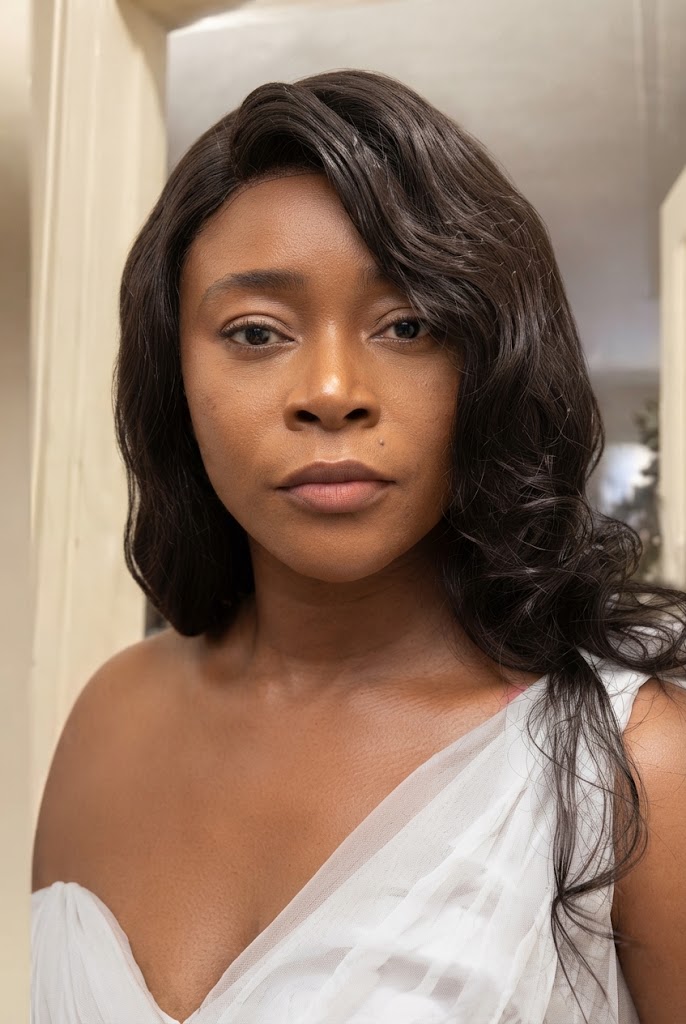
Ghanaian-American filmmaker Leila Jewel Djansi has ignited public debate after calling on wealthy African churches to direct more of their resources towards hospitals, medical research and rehabilitation facilities instead of concentrating mainly on large worship center’s.
In a widely circulated commentary posted on September 20, 2026, Djansi questioned why some churches collect financial “seeds” from members seeking healing while influential religious leaders and other wealthy Africans travel abroad for specialized medical treatment.
She argued that African Christians often spend considerable time praying and donating money in anticipation of healing from serious illnesses, yet the continent continues to depend heavily on hospitals in India and Western countries for cancer treatment, stroke rehabilitation and other complex medical procedures.
Djansi highlighted what she described as a contradiction between condemning the religious beliefs of other societies and relying on the medical institutions those same societies have developed.
“How did people whose theology we condemn build institutions whose medicine we trust with our lives?” she asked.
The filmmaker also criticized the construction of expensive chapels, hotels and religious training institutions without comparable investment in children’s cancer centers, modern laboratories, stroke units and other essential health facilities.
Djansi clarified that her message was not intended to discourage prayer, tithing or religious giving. Instead, she called for greater accountability and a change in how churches use the money entrusted to them by congregants.
She cited the historical contributions of Catholic, Presbyterian and Methodist missions, which established several schools and hospitals across Africa, and urged contemporary Pentecostal and charismatic ministries to follow similar examples.
According to Djansi, financial contributions from church members could be used to train doctors and nurses, support medical research and build institutions capable of serving communities long after their founding leaders are gone.
Her comments have generated mixed reactions online. While some social media users supported her call for churches to expand their social investments, others argued that many religious organizations already operate hospitals, schools, scholarship programs and charitable initiatives.
The discussion has renewed broader questions about accountability, social responsibility and the role of religious institutions in addressing Africa’s healthcare and development challenges.
Source: Omanghana