Omanghana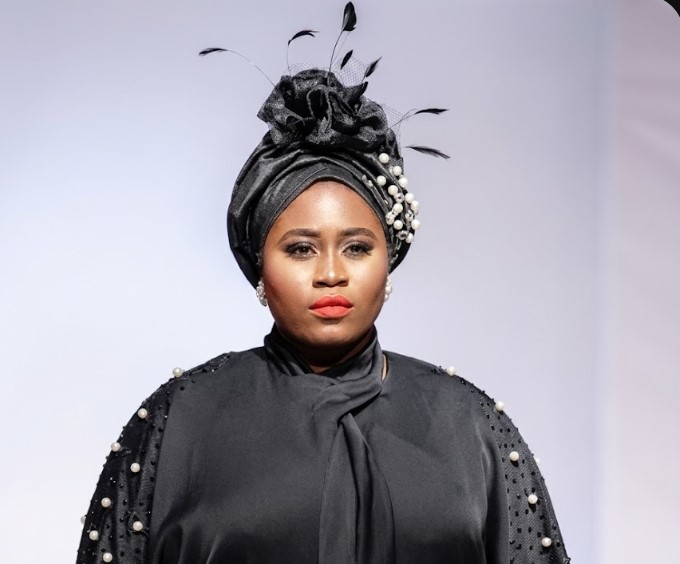
Award-winning Ghanaian actress, writer and social commentator Lydia Forson has criticized what she describes as widespread “selective outrage” over the harassment and degradation of women in Ghana’s political discourse.
In a social media post, Forson argued that some individuals and partisan commentators speak against attacks on women only when the victim belongs to their preferred political party or aligns with their personal interests.
According to her, any defense of women that changes according to political affiliation, personal preference or popularity cannot be considered genuine advocacy.
“If your outrage disappears when the woman is not your favorite, does not belong to your party, or behaves in a way you dislike, then your outrage is not principled,” she stated.
Forson added that people who condemn abuse only when it affects members of their political camp are defending partisan interests rather than standing up for women.
Women Used as Political Weapons
The actress expressed concern that women frequently become collateral damage in political disputes, with female public figures subjected to humiliation, character assassination and coordinated smear campaigns.
She also questioned the practice of using one woman to attack another while claiming to promote women’s rights.
“How does using one woman as a weapon against another amount to defending women?” Forson asked.
She maintained that such conduct perpetuates the same culture of hostility and misogyny that advocates claim to oppose.
Forson Recounts Experience With Advocacy Groups
Forson said her criticism was informed partly by her previous experiences with advocacy groups established to combat cyberbullying and abuse against women.
According to her, she withdrew from some of those initiatives after realizing that certain members were unwilling to condemn attacks directed at women they disliked or disagreed with politically.
The experience, she said, revealed a broader pattern in which advocacy is selectively applied according to personal and partisan loyalties.
Call for More Substantive Political Debate
Forson urged political actors, commentators and members of the public to stop degrading women in the name of political debate.
She called for national conversations to focus instead on governance, economic development and other issues affecting Ghanaians.
“This continued degradation of women is neither political debate nor accountability; it’s simply unacceptable,” she concluded.
Source: Omanghana