Omanghana
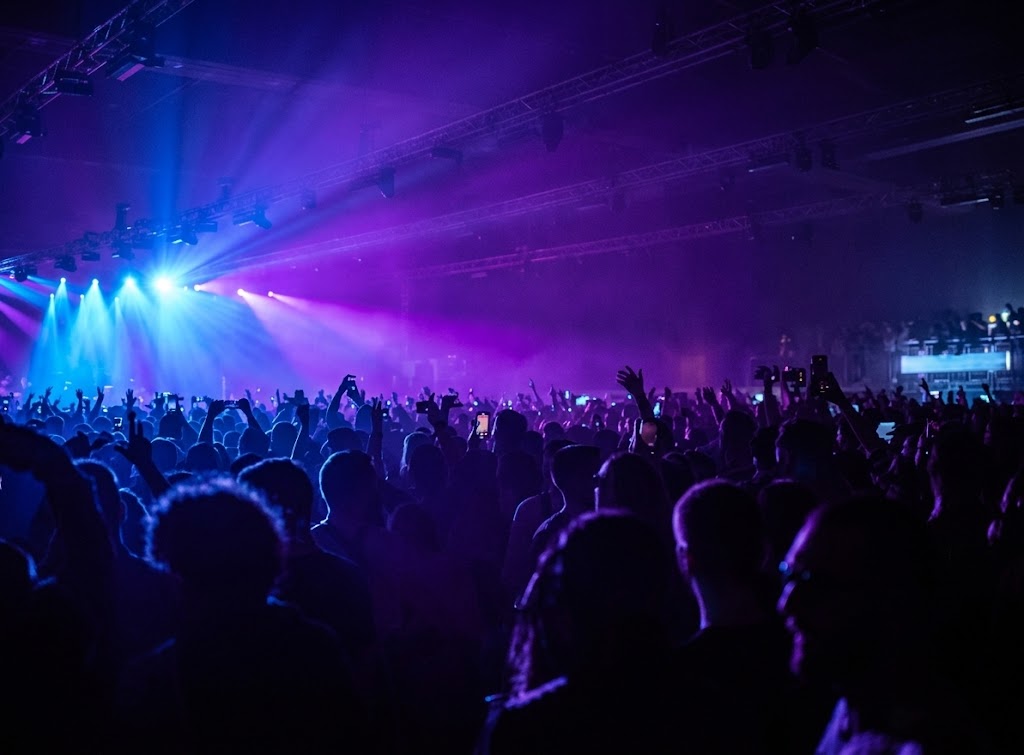
Black and South Asian-led music events in London face disproportionate restrictions, cancellations and policing, according to a report that identifies racial inequality within the capital’s event licensing system.
Released on October 14, 2026, the Race Equality in Music Event Licensing report, led by advocacy organization Black Lives in Music, draws on a two-year investigation into the treatment of minority-led events, venues and promoters.
The study estimates that discriminatory licensing practices cost London’s Black and South Asian live music economy between £127 million and £141 million annually, with potential losses of up to £650 million over five years.
According to the findings, events featuring Afrobeats, hip-hop, drill, grime, R&B and dancehall attract greater scrutiny and are more likely to be classified as high risk without sufficient supporting evidence. Comparable events centered on indie, pop and rock reportedly encounter fewer interventions.
Promoters described occasions when events were cancelled shortly before opening, with limited explanations and little opportunity to challenge the decisions. Such disruptions can leave organizers facing substantial losses after committing funds to artists, venues, staffing and publicity.
The report also identified higher refusal rates for Temporary Event Notices in some of London’s most ethnically diverse boroughs. Minority-led promoters reported additional financial pressure from extensive security requirements and higher insurance costs.
Another concern was the continuing influence of practices associated with the Metropolitan Police’s former Form 696 risk assessment process. Although the form was withdrawn in 2017, the study argues that similar patterns of profiling persist.
Research and interviews undertaken during the project also highlighted accounts of promoters adopting names perceived as white to improve their chances of securing approvals.
Black Lives in Music Chief Executive Charisse Beaumont said excessive policing threatened the wider music sector by restricting cultural expression and commercial opportunity.
“Culture is not a risk. Culture is an economic asset,” she said.
The project involved engagement with organizations including the Greater London Authority, the Metropolitan Police Service, UK Music and the Musicians’ Union.
London Nightlife Taskforce Chairman Cameron Leslie welcomed the findings and supported the report’s recommendations. The Metropolitan Police acknowledged the concerns raised by communities and said it would carefully consider the findings.
The report calls for a more transparent licensing framework, with decisions based on demonstrable risks rather than assumptions about musical genres or audiences. It also advocates stronger cultural understanding among decision-makers and better use of data to identify unequal treatment.
Source: Omanghana