Omanghana
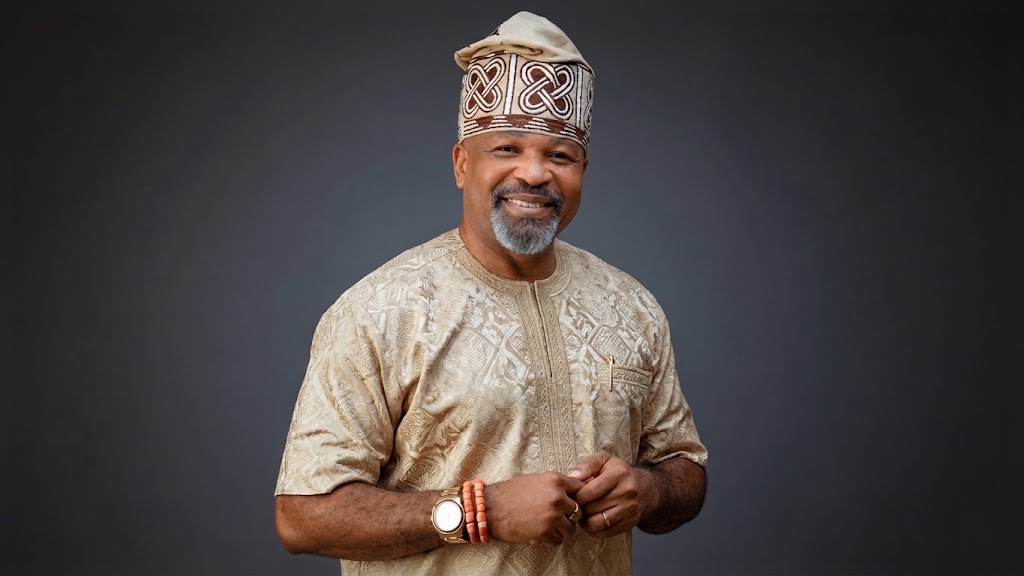
Veteran Nigerian actor Yemi Solade has disclosed that he was once paid to participate in a staged miracle during a church service while trying to establish himself in the entertainment industry.
Solade said the incident happened during the early stages of his acting career when he was experiencing serious financial difficulties and searching for opportunities to earn a living.
According to the actor, he was approached by a pastor or religious organization and hired to perform before a congregation as part of what was presented to worshippers as a genuine divine intervention.
He explained that he was instructed to pretend that he was suffering from an illness or physical disability. During the service, prayers were offered for him, after which he was expected to behave as though he had experienced an instant and miraculous recovery.
Solade said he followed the instructions and performed the role before the congregation. To those attending the service, the development appeared to be evidence of the pastor’s spiritual power and the effectiveness of the prayers.
The actor admitted that he accepted the arrangement because he desperately needed money at the time. He said he approached the assignment as a paid acting role, although the performance was presented to the congregation as an authentic religious miracle.
His disclosure provides a glimpse into some of the financial challenges experienced by young and emerging performers. Actors who are yet to secure regular roles or establish stable sources of income may find themselves accepting unusual or ethically questionable jobs to survive.
Solade’s revelation also raises concerns about alleged deceptive practices within some religious organizations. Staged healings can be used to strengthen a religious leader’s reputation, attract new followers or persuade worshippers to make financial contributions.
Such performances may also exploit the faith and vulnerability of people who attend religious gatherings in search of healing, hope and solutions to personal problems. Worshippers may believe they are witnessing a supernatural event without knowing that some participants have been hired to perform predetermined roles.
By sharing his experience, Solade sought to draw attention to the intersection between economic hardship, acting and religious manipulation. His account suggests that performers can sometimes be recruited to make carefully organized events appear spontaneous and spiritually genuine.
The revelation has also revived discussions about the need for accountability and transparency within religious institutions. While many churches and pastors provide legitimate spiritual and humanitarian support, concerns remain about individuals who allegedly use staged testimonies and fabricated miracles to influence congregants.
Solade’s experience further highlights the pressure young entertainers face before achieving financial stability. Although he viewed the incident as a performance assignment at the time, his decision to speak about it years later offers a broader warning about how financial desperation can expose aspiring actors to exploitation.
The veteran actor’s account is expected to generate further conversation about fake miracles, the ethical responsibilities of religious leaders and the difficult choices performers sometimes make while attempting to build sustainable careers.
Source: Omanghana