Omanghana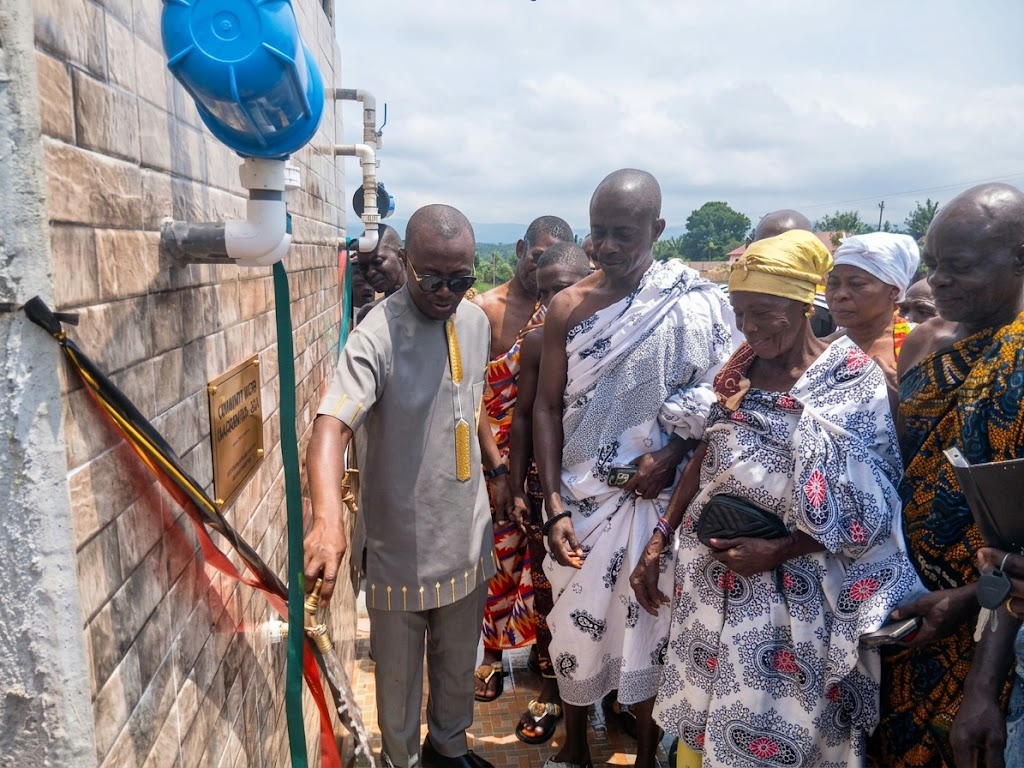
The Bosome Freho District Assembly in the Ashanti Region has commissioned 22 mechanised boreholes to improve access to clean and reliable drinking water in underserved rural communities.
The facilities are expected to address persistent water shortages, particularly during the dry season when several communities struggle to obtain sufficient water for household and sanitation purposes.
The commissioning ceremony was held at Asiwa, the district capital, and led by the District Chief Executive, Charles Appiah Kubi.
Project Targets Water-Stressed Communities
The borehole project was developed after the District Assembly conducted a needs assessment in collaboration with traditional leaders and the District Works Department.
The exercise identified communities experiencing severe water stress and assessed the condition of their existing water sources.
Many residents previously depended on streams and other unreliable sources that became unsafe or dried up during prolonged periods without rainfall.
The assembly subsequently prioritized the affected areas for the mechanised borehole programme.
Communities Benefiting From the Project
The 22 facilities have been distributed across several towns and villages in the district.
Beneficiary communities include:
- Amormoso
- Korchikrom
- Tebeso I
- Tebeso II
- Ahwiaso
- Besease
- Semdadieso
- Fereboye
- Anyaso
- Bobiam
The distribution is intended to bring water points closer to households and reduce pressure on the few existing facilities serving multiple communities.
Unlike manually operated boreholes, the mechanised systems are designed to pump and store water for easier and more consistent access.
Boreholes Expected to Improve Public Health
The District Assembly said the intervention would help reduce residents’ exposure to waterborne diseases associated with contaminated streams and other untreated water sources.
Reliable access to potable water is also expected to improve sanitation practices within homes, schools and public spaces.
Women and children are expected to benefit significantly from the project. In many rural communities, they bear primary responsibility for collecting water and often travel long distances to reach rivers, streams or distant boreholes.
The new facilities will reduce the time spent fetching water and allow schoolchildren to devote more time to their education.
Improved access could also support small businesses, food preparation and other economic activities that depend on a dependable water supply.
Communities Asked to Protect Facilities
Appiah Kubi urged residents of the beneficiary communities to regard the boreholes as shared assets and take responsibility for protecting them.
He warned that theft, vandalism and poor maintenance could undermine the investment and return communities to their previous water difficulties.
Local Water and Sanitation Management Teams have been assigned responsibility for routine maintenance and the daily management of the facilities.
The teams are expected to monitor the boreholes, organize minor repairs and report technical problems before they become more serious.
Community members were also encouraged to keep the surroundings clean and prevent activities that could contaminate the water supply.
Assembly Expands Social Infrastructure
The borehole project forms part of a broader infrastructure program being implemented by the Bosome Freho District Assembly to improve basic services.
Other projects recently initiated include the construction of two Community-Based Health Planning and Services compounds.
The CHPS facilities are intended to bring primary healthcare closer to rural residents and reduce the distances patients travel to access basic treatment, maternal care and preventive services.
The assembly is also constructing two school classroom blocks to improve teaching and learning conditions in selected communities.
The combined investments in water, healthcare and education are expected to improve living standards and address critical infrastructure gaps across the district.
The assembly said it would continue working with community leaders and residents to identify priority needs and direct resources toward projects with the greatest social impact.
Source: Omanghana