Omanghana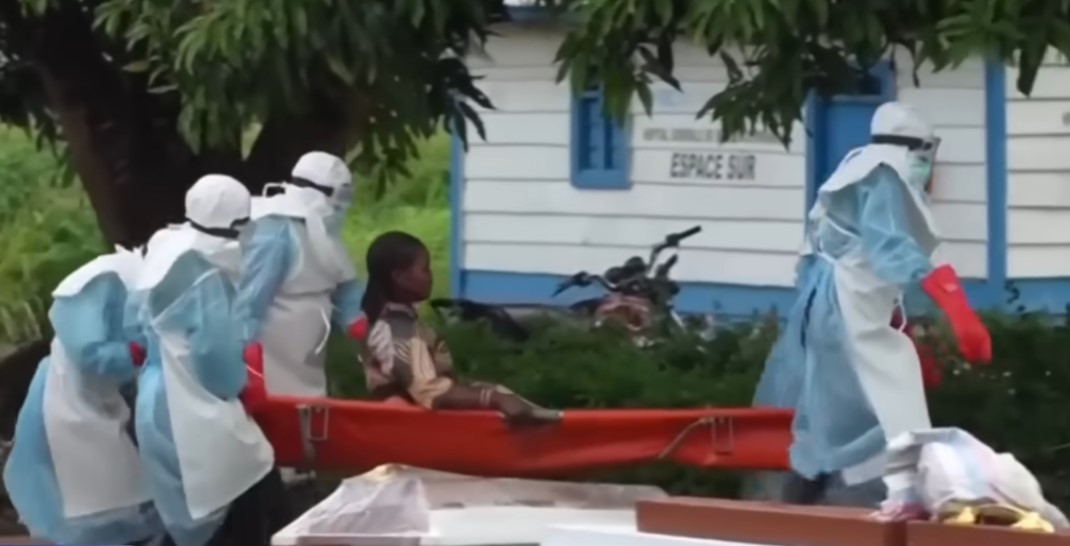
The Democratic Republic of the Congo (DRC) is facing a rapidly escalating public health emergency as the country’s latest Ebola outbreak continues to spread through conflict-affected eastern provinces. According to figures released by the DRC Ministry of Health and the U.S. Centers for Disease Control and Prevention (CDC), the outbreak has resulted in 363 confirmed cases and 62 deaths as of June 3, 2026.
Health experts and humanitarian organizations warn that the epidemic is approaching a dangerous tipping point, driven by a combination of factors rarely seen together on this scale: the absence of an approved vaccine, ongoing armed conflict, widespread displacement, severe food insecurity, and shrinking international aid budgets.
Unlike outbreaks caused by the more common Zaire strain of Ebola, the current epidemic involves the Bundibugyo strain, for which there is currently no licensed vaccine or approved therapeutic treatment.
As a result, healthcare workers are relying almost entirely on intensive supportive care, including hydration, symptom management, and infection prevention measures, to improve patient survival rates.
The risks to frontline responders remain extremely high. Health authorities report that at least 16 healthcare workers have contracted the virus while caring for infected patients. Three Red Cross volunteers also lost their lives after participating in the management and burial of highly infectious Ebola victims.
Among those infected was American missionary surgeon Dr. Peter Stafford, who contracted the virus while serving in Bunia and was later medically evacuated to Germany for treatment.
To reduce the risk of transmission inside treatment centers, humanitarian organizations are deploying innovative containment technologies.
Medical teams from the Alliance for International Medical Action (ALIMA) have introduced specialized biosecure treatment units known as “Cubes.” These transparent, self-contained structures allow doctors and nurses to provide care through built-in glove ports without entering direct contact with patients.
The design not only protects healthcare workers but also enables family members to see and communicate with loved ones from a safe distance, helping reduce fear and misinformation within affected communities.
Aid organizations say the technology has become an important tool in maintaining public trust while ensuring the safety of frontline medical personnel.
Humanitarian agencies describe the outbreak as particularly dangerous because it is unfolding in some of the most unstable regions of eastern Congo, including Ituri, North Kivu, and South Kivu provinces.
Years of violence involving armed groups and ethnic militias have displaced millions of people, creating conditions that make disease containment extraordinarily difficult.
Large numbers of people continue to move between villages, mining communities, and urban centers in search of safety and economic opportunities. Health officials say this constant movement is accelerating transmission and undermining traditional Ebola control measures such as contact tracing and community monitoring.
Cases have increasingly been detected in larger population centers, including Mambasa and Beni, raising concerns that the virus could gain a stronger foothold in densely populated areas.
The outbreak is unfolding amid a worsening humanitarian crisis marked by widespread hunger and dwindling international assistance.
According to frontline personnel from the World Food Programme (WFP), more than one-third of residents in some affected areas of Ituri are already facing emergency levels of food insecurity.
Aid agencies say limited resources are forcing difficult decisions between funding life-saving nutrition programs and expanding Ebola response operations.
Humanitarian workers warn that prolonged funding shortages could weaken both efforts, increasing the risk of additional deaths from disease and starvation alike.
Public health officials continue to battle widespread misinformation and skepticism surrounding the outbreak.
Years of conflict, political instability, and limited government services have eroded trust in public institutions, making some communities reluctant to cooperate with health authorities.
In several affected areas, rumors about Ebola have triggered violent incidents targeting medical facilities and response teams.
In the mining town of Mongbwalu, angry crowds reportedly attacked and burned medical tents established for Ebola treatment and observation. During the unrest, 18 suspected Ebola patients escaped from the facility and returned to surrounding communities, heightening fears of further transmission.
Health workers say such incidents significantly complicate efforts to contain the outbreak and protect vulnerable populations.
The outbreak response is also being hindered by severe shortages of diagnostic equipment and laboratory capacity.
Frontline workers affiliated with the International Council of Nurses (ICN) report that testing supplies remain limited in several regions. Confirming a single Ebola infection often requires multiple laboratory tests conducted over a period of at least 48 hours.
The lack of sufficient testing infrastructure is delaying diagnosis and isolation efforts, allowing potential carriers to remain within communities for longer periods before receiving treatment.
As the outbreak enters a critical phase, humanitarian organizations are calling for urgent international support to strengthen surveillance, improve treatment capacity, expand testing networks, and address the broader humanitarian conditions fueling transmission.
Health experts warn that without increased funding and greater security for medical operations, the Bundibugyo Ebola outbreak could become one of the most difficult public health emergencies the region has faced in recent years.
With no vaccine available, ongoing conflict disrupting response efforts, and vulnerable populations already struggling with hunger and displacement, aid agencies say the window to prevent a much larger crisis may be rapidly closing.
Source: Omanghana