Omanghana
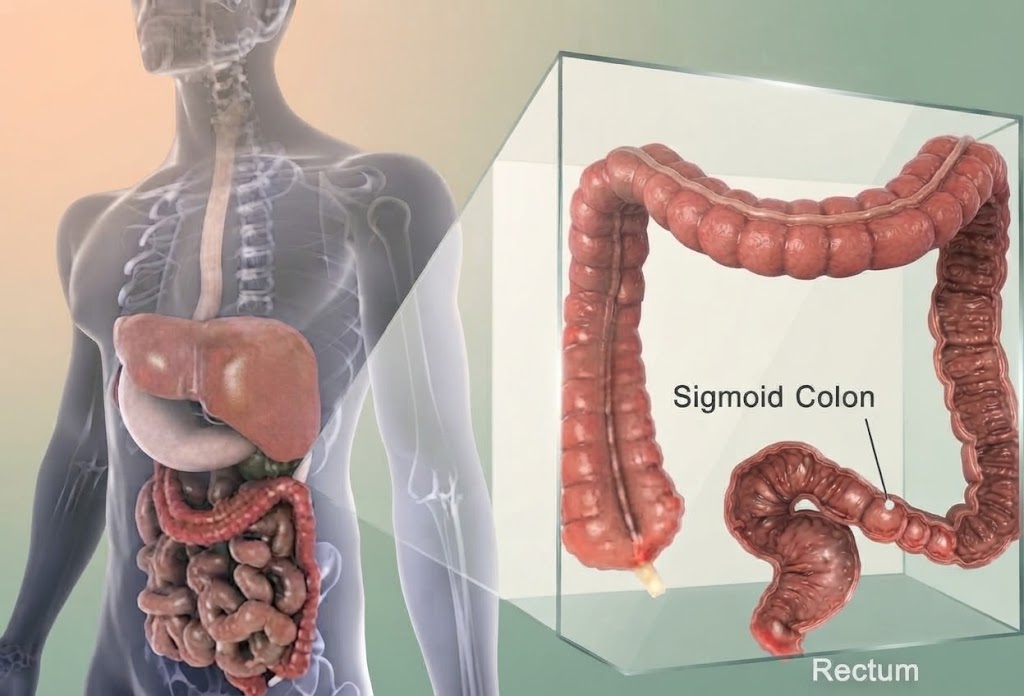
Colorectal cancer can develop without noticeable symptoms, making screening an important tool for detecting the disease early and preventing some cases before they begin.
The disease affects the colon or rectum and often develops from growths known as polyps. Although not all polyps become cancerous, identifying and removing precancerous growths can reduce the risk of cancer developing. cdc.gov
Possible warning signs include persistent diarrhea or constipation, blood in the stool, abdominal discomfort and a feeling that the bowel has not emptied completely. Unexplained weight loss, fatigue and changes in stool shape may also require medical attention.
These symptoms do not automatically mean someone has cancer, as other conditions can cause similar problems. However, persistent or unexplained changes should be assessed by a healthcare professional.
Screening is intended for people without symptoms. Anyone experiencing concerning symptoms should seek medical assessment rather than wait until they reach the routine screening age.
United States guidance recommends that adults at average risk begin colorectal cancer screening at age 45. People with a family history of the disease, certain inherited conditions or inflammatory bowel disease may need to start earlier and undergo more frequent checks. The appropriate schedule should be discussed with a clinician, taking account of personal risk and locally available services. cdc.gov
Several screening methods are available. A colonoscopy allows a doctor to examine the colon using a flexible camera and remove polyps during the procedure. For average-risk adults with normal results, it is generally repeated every 10 years.
Stool-based options include the faecal immunochemical test, or FIT, which checks for hidden blood annually, and a combined stool DNA and blood test, generally performed every three years. CT colonography, which produces images of the colon, is typically offered every five years. An abnormal result from these alternatives requires a follow-up colonoscopy. cdc.gov
When cancer is diagnosed, doctors determine its stage by assessing how deeply it has grown into the bowel wall and whether it has spread.
Stage 0 describes abnormal cells confined to the innermost lining. At stage I, cancer has grown into deeper layers of the bowel wall. Stage II means it has grown through the muscular layer into surrounding tissue, without reaching nearby lymph nodes.
Stage III generally involves nearby lymph nodes without distant spread, while stage IV indicates spread to distant organs or the abdominal lining. Common sites include the liver and lungs. Staging helps guide treatment decisions.
For individuals and families, the practical priorities are to discuss screening when eligible, share relevant family medical history with a clinician and seek assessment for persistent bowel changes or bleeding.
Source: Omanghana