Omanghana
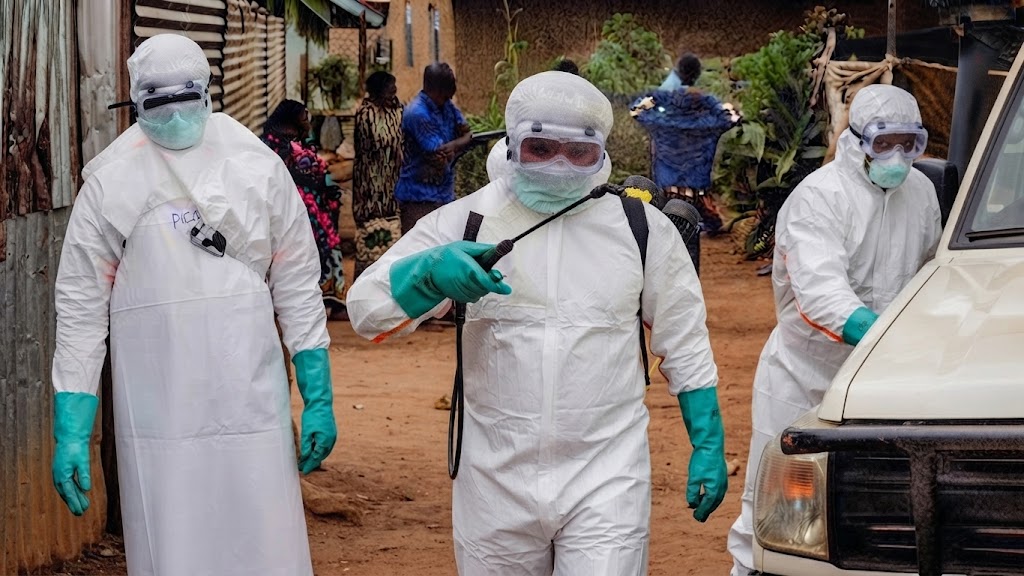
The Ebola outbreak in the Democratic Republic of the Congo has exceeded 7,200 confirmed cases, with 3,475 deaths recorded as health authorities cautiously report that transmission may be slowing.
The epidemic is being driven by the Bundibugyo virus, a comparatively rare species of the Ebola virus. Nearly half of the people confirmed to have contracted the disease have died, highlighting the severity of what has become the DRC’s worst Ebola outbreak.
Government officials believe transmission may have reached its peak during the third week of August. Ten of the 61 affected health zones have gone at least 21 days without recording a new case, while major hotspots, including Nia Nia, Nizi and Mongbwalu, have experienced a sustained decline in infections.
Despite the encouraging development, public health experts have warned that the epidemic remains far from fully contained. Contact-tracing coverage is estimated at about 88%, below the level generally required to interrupt transmission effectively.
Concerns have also intensified following the virus’s spread to South Ubangi, making it the seventh province affected and the first in western DRC to record an outbreak-linked case.
The development is particularly troubling because South Ubangi is geographically separated from the six eastern provinces where cases had previously been reported. It also borders the Central African Republic and sits near the Republic of the Congo, raising concerns about possible cross-border transmission.
A confirmed case in the province involved a 23-year-old man who had reportedly travelled extensively through several provinces and neighboring countries before his death. His movements demonstrated the difficulties authorities face in tracing contacts across the DRC’s vast territory.
The response continues to be obstructed by armed conflict, population displacement, healthcare-worker shortages, limited funding and logistical difficulties in reaching remote communities. Frequent population movements and insecurity have made it harder for teams to identify suspected infections, transport patients and monitor exposed individuals.
Health authorities and international partners are continuing surveillance, laboratory testing, contact tracing, infection-prevention measures and safe burial operations. Treatment and isolation facilities have also been established closer to affected communities to reduce delays in providing care.
Unlike Ebola disease caused by the more common Zaire virus, no licensed vaccine or approved treatment specifically targeting Bundibugyo virus disease is currently available. Clinical trials involving possible vaccines and treatments are underway as authorities work to contain the outbreak.
Although the reported decline in several health zones offers cautious hope, officials say continued surveillance and community cooperation will be essential to prevent renewed transmission and further geographic spread.
Source: Omanghana