Omanghana
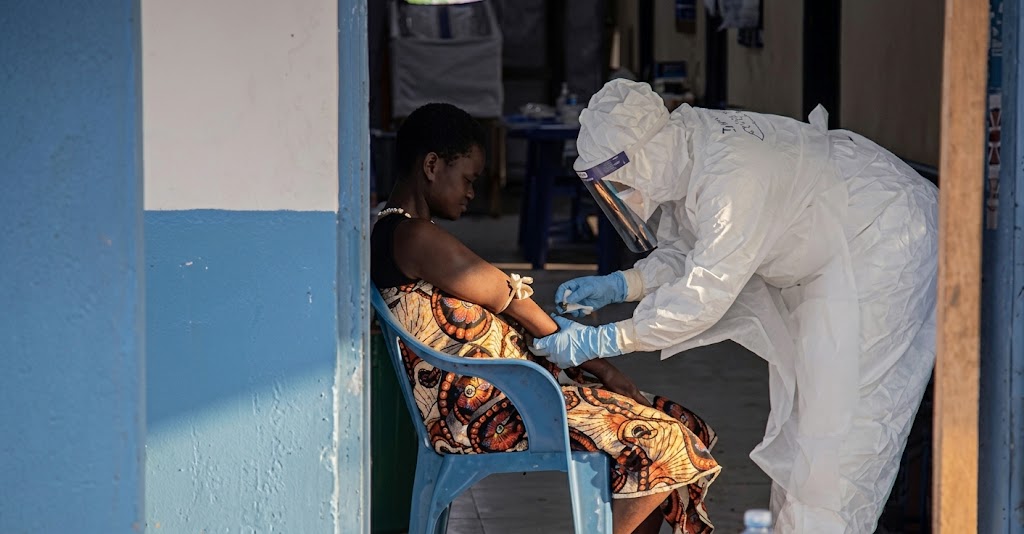
A clinical trial has begun in Bunia, northeastern Democratic Republic of Congo, to assess whether vaccines can protect against the Bundibugyo Ebola virus driving the country’s ongoing outbreak.
The first participants received vaccinations on Friday, October 23, under the TUMAiNi study, whose name means “hope” in Swahili. The Congolese-led initiative is supported by the World Health Organization.
The launch comes as reported infections exceed 9,700 and deaths surpass 4,600. No vaccine or treatment has been approved specifically against Bundibugyo.
Researchers are initially testing Ervebo, which is approved against the Zaire Ebola virus, to establish whether it offers protection against Bundibugyo. Its effectiveness against the virus responsible for this outbreak remains unproven.
The study is also preparing to incorporate two experimental vaccines specifically targeting Bundibugyo: an Oxford University candidate and an mRNA vaccine developed by Moderna.
Using a ring-vaccination approach, teams will enrol people at high risk through contact with confirmed cases. Eligible participants include pregnant women and children aged 12 and above, allowing researchers to gather evidence from groups often excluded from trials.
The research takes place amid a difficult emergency response. Violence, population movements and community mistrust have complicated containment efforts, while infections have spread across several Congolese provinces and into neighboring countries.
Source: Omanghana