Omanghana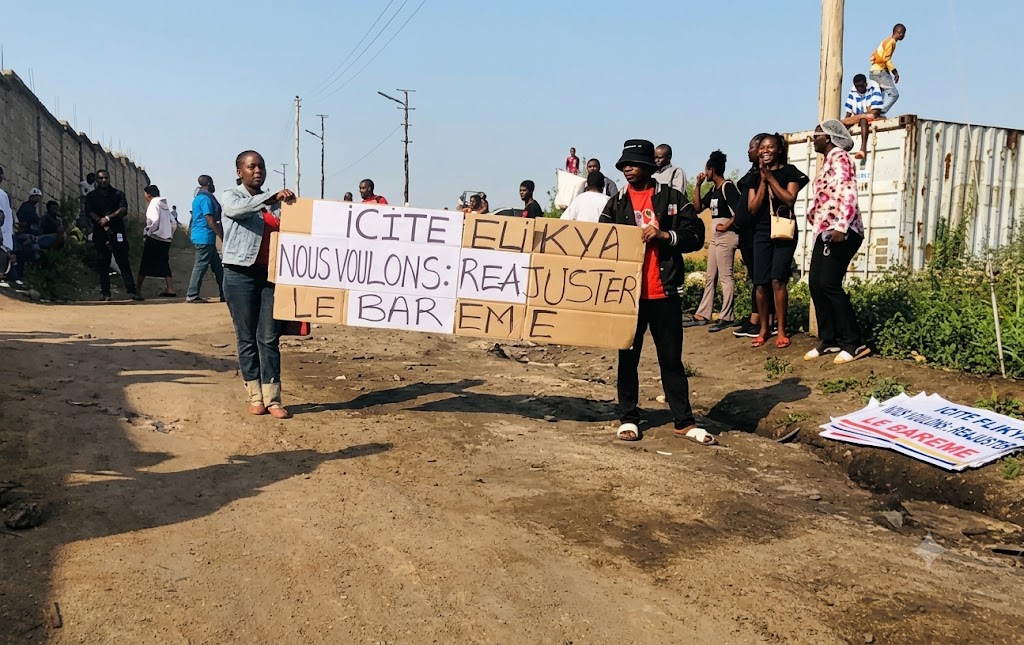
The Democratic Republic of Congo has recorded 3,075 confirmed Ebola cases and 1,354 deaths as health authorities struggle to contain one of the fastest-growing outbreaks of the virus ever documented.
Government figures released on July 25 showed that the outbreak had crossed the 3,000-case mark only days after the death toll exceeded 1,000. The latest figures represent a case-fatality rate of approximately 44%.
At least 556 patients have recovered, while hundreds of others remain in hospitals or isolation centers, according to official data.
The outbreak was declared in mid-May, although health specialists believe transmission may have begun several weeks earlier. Its rapid expansion has raised concerns that it could become one of the most serious Ebola emergencies since the 2013–2016 West African epidemic, which infected more than 28,000 people and caused over 11,000 deaths.
Rare Ebola species complicates response
The outbreak is being caused by Bundibugyo virus, one of the less common members of the ebolavirus group known to cause disease in humans.
Unlike the Zaire ebolavirus responsible for several previous outbreaks in the DRC, there are currently no fully approved vaccines or treatments specifically targeting Bundibugyo virus disease.
Vaccines and therapeutic medicines developed for other Ebola viruses cannot automatically be assumed to provide effective protection against this species. That has left healthcare teams dependent on isolation, contact tracing, infection prevention and supportive medical care while experimental products are evaluated.
The University of Oxford recently began the first Phase 1 human trial of a vaccine designed specifically to protect against Bundibugyo virus.
The trial involves 50 healthy adults between the ages of 18 and 55 and will examine the vaccine candidate’s safety and the immune response it produces. Other vaccine and treatment approaches are also being considered, but they remain experimental and are not yet approved for widespread public use.
Ituri remains outbreak epicenter
Ituri province in northeastern DRC accounts for approximately 90% of confirmed cases, making it the center of the emergency.
Its location near Uganda and South Sudan has increased concerns about cross-border transmission because residents frequently travel between the countries for trade, healthcare and family reasons.
Cases have also been reported in North Kivu, South Kivu, Haut-Uele and Tshopo. Uganda previously detected infections connected to the wider outbreak, but no new cases had been reported there since June 22.
Efforts to identify and isolate infected people have been undermined by weak surveillance and limited contact tracing. Health authorities estimate that as many as 80% of new cases are being detected outside already identified transmission chains.
When cases emerge outside known contact lists, responders may not know where a patient contracted the virus or who else has been exposed. This allows transmission to continue undetected within families and communities.
Some experts believe the outbreak’s true scale may be significantly greater than the official figures because response teams cannot consistently reach all affected communities. Delays in testing and reporting may also leave suspected infections outside the confirmed total.
Conflict obstructs emergency operations
The outbreak is concentrated in eastern DRC, a region that has endured years of armed conflict, population displacement and attacks by militant groups.
Insecurity has prevented health workers from safely reaching some communities, disrupted the movement of medical supplies and forced residents into overcrowded displacement camps where access to water and healthcare is limited.
Public mistrust and misinformation have also complicated the response. Some residents have resisted contact tracing and safe-burial procedures, while attacks on healthcare workers and facilities have further weakened containment efforts.
Ebola spreads through direct contact with the blood or other bodily fluids of an infected person, as well as contaminated objects and the bodies of people who have died from the disease. It does not spread as easily as airborne respiratory illnesses.
Early symptoms can include fever, fatigue, muscle pain, headache and sore throat. These may be followed by vomiting, diarrhea, impaired organ function and, in some cases, internal or external bleeding.
Health workers strike over unpaid bonuses
The emergency response has suffered another setback after workers at the Elikya Ebola Treatment Center in Bunia went on strike over unpaid performance bonuses.
Doctors, nurses, hygienists and security personnel reportedly joined the industrial action, severely disrupting services at one of the treatment facilities operating in the hardest-hit province.
Workers said they had gone for about two months without receiving promised payments. Related protests have also affected the Bunia General Hospital, increasing pressure on a healthcare system already struggling with staff shortages and overwhelming patient numbers.
Government officials said efforts were underway to resolve the payment dispute, including introducing mobile-money systems to deliver outstanding allowances.
Public health specialists warn that prolonged industrial action could reduce the capacity of treatment centers to isolate patients, provide supportive care and prevent infections among healthcare workers and family members.
Urgent resources needed
Containing the outbreak will require stronger surveillance, faster laboratory testing, safer access to affected communities and reliable payment and protection for frontline personnel.
Health authorities must also improve community engagement to counter misinformation and encourage families to report suspected cases early.
The World Health Organization and its partners are assessing experimental vaccines and treatments for possible use against Bundibugyo virus disease. However, until effective medical products become widely available, traditional outbreak-control measures will remain the center of the response.
The rising number of cases highlights the need for immediate international support as the DRC attempts to prevent the epidemic from spreading further across its provinces and into neighboring countries
Source: Omanghana