Omanghana
A healthy, balanced diet can play an important role in supporting overall health, including long-term breast health. Research has increasingly examined how dietary patterns, body weight, alcohol consumption and individual foods may influence breast cancer risk.
Experts commonly emphasize a plant-forward eating pattern, such as the Mediterranean-style diet, which is rich in vegetables, fruits, whole grains, legumes, nuts, seeds and healthy fats. While no single food can prevent breast cancer, a nutritious diet can support healthy body weight, metabolic health and normal cellular function.
Cruciferous and Leafy Green Vegetables
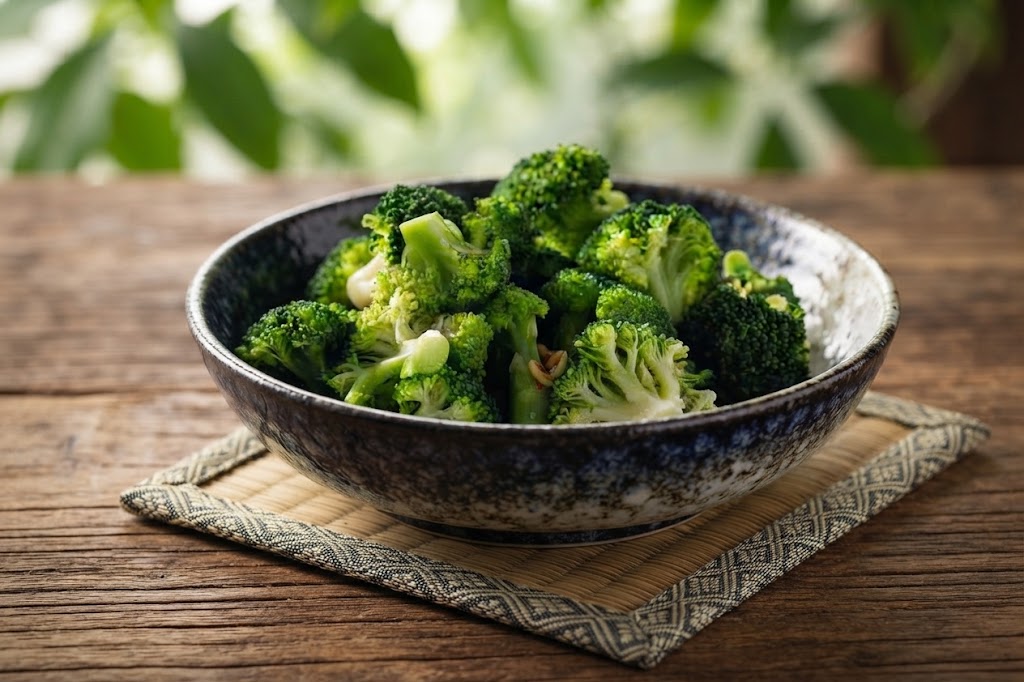
Vegetables such as broccoli, cauliflower, Brussels sprouts, cabbage and kale are rich in compounds called glycosylates. During digestion, these compounds are converted into biologically active substances, including isothiocyanates and sulforaphane, which have been studied for their potential effects on abnormal cell growth.
Leafy greens such as spinach, arugula and Swiss chard also provide carotenoids, including beta-carotene and lutein, as well as fiber and other nutrients that contribute to a healthy diet.
Berries and Other Colorful Fruits
Berries, including blueberries, strawberries, raspberries and blackberries, provide a variety of polyphenols and other antioxidant compounds.
Other fruits, including oranges, grapefruit and apples, contain flavonoids and other plant compounds. Research has investigated whether diets rich in these compounds may be associated with lower cancer risk, although dietary studies do not establish that a particular fruit directly prevents breast cancer.
Eating a variety of colorful fruits is therefore a practical way to increase fiber, vitamins, minerals and beneficial plant compounds.
Healthy Fats and Omega-3 Sources
Replacing some foods high in saturated fat with healthier sources of fat can be part of an overall heart- and health-conscious eating pattern.
Fatty fish such as salmon, sardines and mackerel provide omega-3 fatty acids and other important nutrients. Nuts and seeds, including walnuts and flaxseeds, provide unsaturated fats, fiber and a variety of plant compounds.
Flaxseeds are particularly rich in lignans, naturally occurring plant compounds that have attracted scientific interest because of their potential interaction with estrogen metabolism.
Soy Foods and Breast Health
Soy foods such as tofu, tempeh and edamame have sometimes been the subject of concern because they contain isoflavones, which are plant compounds with estrogen-like activity.
However, research in humans has generally not shown that normal dietary consumption of whole soy foods increases breast cancer risk. Some studies have even found associations between soy consumption and improved outcomes, particularly among certain breast cancer populations.
People with breast cancer or those taking hormone-related medications should discuss significant dietary changes or the use of concentrated soy or isoflavone supplements with their healthcare professional.
Mushrooms and Green Tea
Mushrooms contain compounds such as beta-glucans and other bioactive substances that continue to be investigated for their potential health benefits.
Green tea contains catechins, including epigallocatechin gallate (EGCG). Laboratory and observational research has examined the potential anticancer properties of these compounds. However, drinking green tea should be viewed as part of an overall healthy diet rather than a treatment or prevention strategy on its own.
A Practical Breast-Health Diet
Rather than focusing on individual “superfoods,” nutrition experts generally recommend an overall dietary pattern that includes a variety of nutrient-dense foods.
| Food Category | Examples | Potential Benefits |
|---|---|---|
| Cruciferous vegetables | Broccoli, kale, cauliflower, Brussels sprouts | Fiber, vitamins and plant compounds |
| Leafy greens | Spinach, arugula, Swiss chard | Carotenoids, folate and other nutrients |
| Berries and fruit | Blueberries, strawberries, oranges, apples | Fiber and polyphenols |
| Fatty fish | Salmon, sardines, mackerel | Omega-3 fatty acids and protein |
| Seeds and nuts | Flaxseeds, walnuts, chia seeds | Fiber and unsaturated fats |
| Whole soy foods | Tofu, tempeh, edamame | Plant protein and isoflavones |
| Whole grains and legumes | Oats, beans, lentils, brown rice | Fiber, vitamins and minerals |
Foods and Drinks to Limit
Breast-health recommendations also involve considering what to consume less often.
Alcohol is one of the clearest dietary risk factors associated with breast cancer. Research has found that breast cancer risk can increase even with relatively low levels of alcohol consumption. Limiting alcohol intake—or avoiding it altogether—can therefore be an important part of reducing risk.
Highly processed foods, sugary beverages, refined carbohydrates and foods high in saturated or trans fats are also best consumed in moderation. These foods can contribute to excess calorie intake and weight gain, while maintaining a healthy weight is associated with lower risk of several cancers, including postmenopausal breast cancer.
The Bottom Line
There is no single food that can guarantee protection against breast cancer. Instead, evidence supports focusing on an overall healthy lifestyle that includes plenty of vegetables and fruits, high-fiber foods, whole grains, legumes, nuts and seeds, healthy sources of protein and unsaturated fats.
Limiting alcohol, avoiding tobacco, maintaining a healthy weight and staying physically active are also important components of a broader approach to cancer prevention.
For breast cancer survivors, people at high genetic risk or anyone receiving cancer treatment, dietary decisions should be discussed with a qualified healthcare professional or registered dietitian. Nutrition can complement medical care, but it should not replace recommended screening, medication or cancer treatment.
Source: Omanghana