Omanghana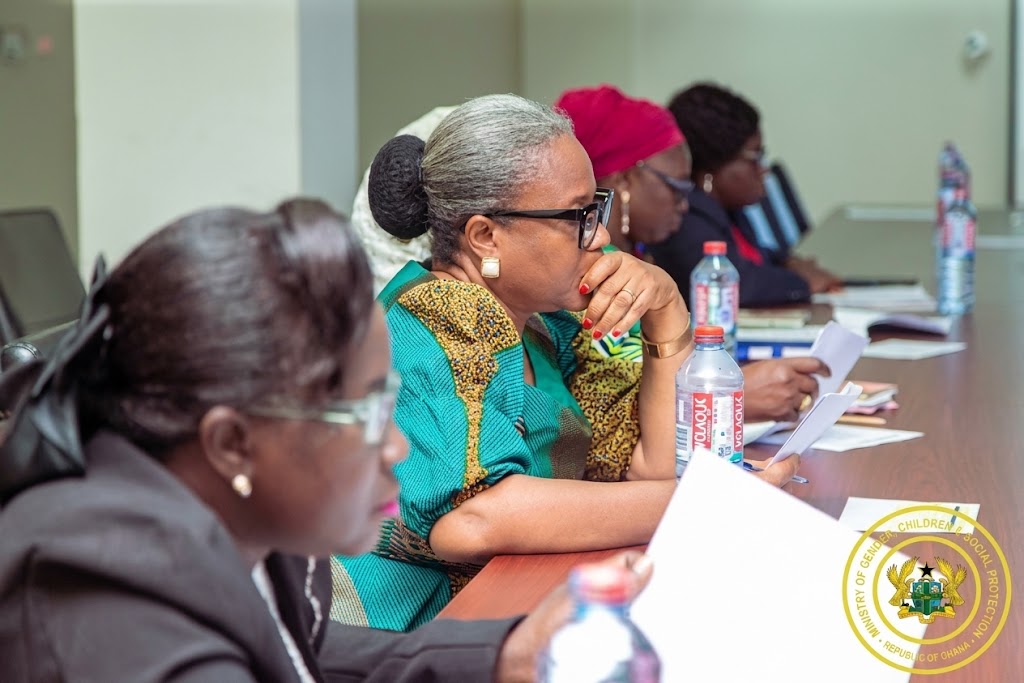
The Domestic Violence Secretariat under the Ministry of Gender, Children and Social Protection is advancing plans to strengthen shelter services for survivors of domestic and gender-based violence across Ghana.
The proposal was discussed during the second-quarter meeting of the Domestic Violence Management Board, which reviewed the implementation of its 2026 work plan and assessed gaps in protection and support services.
The planned facilities are expected to provide secure temporary accommodation and coordinated rehabilitation services for people escaping abusive homes.
Shelter Development Remains 2026 Priority
Head of the Domestic Violence Secretariat, Madam Malonin Asibi, presented an update on the Board’s activities and outlined the establishment of functional shelter infrastructure as a major priority for 2026.
Safe shelters are intended to provide immediate protection for survivors who cannot return home because of threats to their lives or the risk of repeated abuse.
The initiative will also support victims who may otherwise remain with an abusive partner because they lack alternative accommodation, financial resources or family assistance.
Officials stressed that the facilities must operate as comprehensive support centers rather than function solely as temporary housing.
Survivors to Receive Comprehensive Support
Under the proposed framework, survivors will have access to emergency healthcare, trauma counselling and psychosocial assistance.
Legal aid and advocacy services will help victims understand their rights, obtain protection orders and participate in criminal or civil proceedings where necessary.
The shelters are also expected to offer rehabilitation and reintegration programs designed to help survivors regain financial and social independence.
These services may include vocational training, employment support, family assessment and assistance with securing longer-term accommodation.
The objective is to address both the immediate safety needs of survivors and the underlying economic or social pressures that can force them to return to dangerous situations.
Board Calls for Stronger Collaboration
Domestic Violence Management Board Chairperson Dr. Miriam Iddrisu emphasized that successful shelter operations would require sustained cooperation among state institutions and development partners.
The Ministry is expected to work closely with the Domestic Violence and Victim Support Unit of the Ghana Police Service, healthcare providers, social welfare officers, legal-aid institutions and civil society organizations.
International partners, including UNICEF, are also expected to support technical planning, survivor-centered services and institutional capacity building.
Dr. Iddrisu said collaboration would be essential to ensure that shelters have adequate personnel, reliable funding and effective referral systems.
Without stable operational support, facilities may struggle to provide the consistent care required by survivors.
Limited Shelter Access Remains a Challenge
Ghana has introduced several legal and institutional measures to combat domestic abuse, including the Domestic Violence Act, the Domestic Violence Secretariat and DOVVSU.
Despite those interventions, access to safe and adequately resourced shelters remains limited in several parts of the country.
The shortage can leave survivors with few options after reporting abuse. Some return to unsafe homes, depend on relatives whose locations may be known to their abusers or become temporarily homeless.
In May 2026, the government commissioned a shelter offering temporary accommodation, counselling, medical care, legal assistance and psychosocial support. The latest proposal forms part of a broader effort to expand such services nationwide.
Board Coordinates National Response
The Domestic Violence Management Board is responsible for supporting the coordination of national policies and programs aimed at preventing domestic violence and protecting victims.
Its work includes monitoring interventions, promoting public education, strengthening institutional cooperation and advising the government on improvements to survivor-support systems.
The Board’s second-quarter meeting provided an opportunity to review progress, identify implementation challenges and establish priorities for the remainder of 2026.
Officials believe expanding shelter services will strengthen Ghana’s response to domestic and gender-based violence by giving survivors a secure place to begin their recovery and rebuild their lives with dignity.
Source: Omanghana