Omanghana
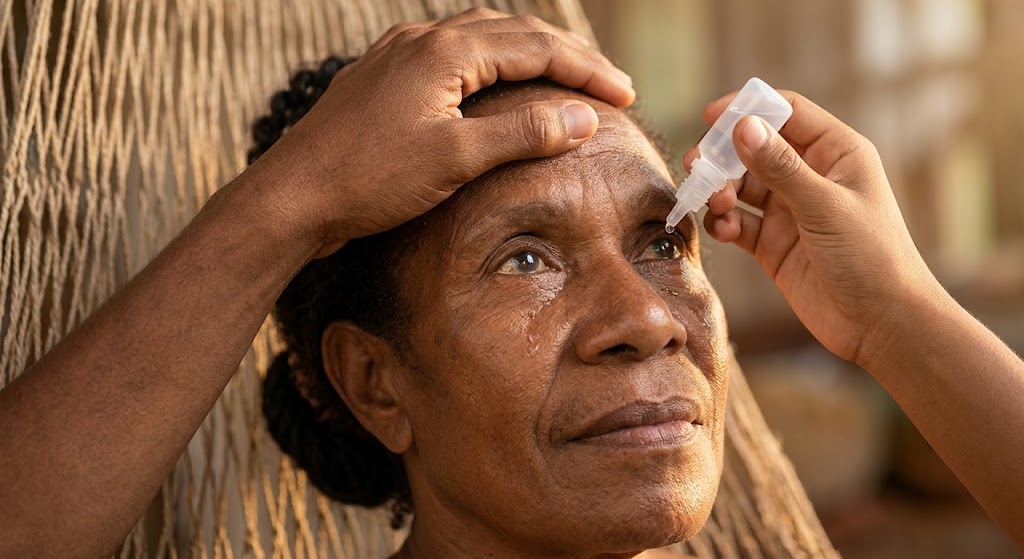
The Ghana Health Service (GHS) has urged the public to priorities regular eye examinations, reporting that an estimated 254,412 people in Ghana are living with blindness.
The figures, shared to mark World Sight Day 2026, represent approximately one in every 135 people in a population of 34.38 million. According to the service, about 70 per cent of blindness cases could be prevented or treated through timely detection and appropriate care.
This year’s commemoration highlighted the theme, “Eye care for all: Integrating vision into primary health care,” with calls to make eye health services more accessible across the country.
Data from the GHS Eye Care Unit identified cataracts as the leading cause of blindness, accounting for 54.8 per cent of cases. Cataract surgery can restore sight in many affected patients, underscoring the importance of access to treatment.
Glaucoma accounted for 19.4 per cent of cases, making it the second-leading cause. Health officials warned that the condition can progress without noticeable symptoms in its early stages. Although sight already lost to glaucoma cannot be restored, early diagnosis and treatment can help limit further damage.
Diseases affecting the back of the eye, including diabetic retinopathy, represented 12.9 per cent of cases, while corneal opacity accounted for 11.2 per cent.
Beyond individual conditions, officials highlighted funding shortages, uneven distribution of specialists and treatment costs as major barriers to improving eye health.
The Ghana Eye Health System Assessment recorded a healthcare financing score of 2.3 out of four, pointing to gaps in financial support for services.
The workforce figures presented included 168 ophthalmologists, 750 optometrists, 900 ophthalmic nurses and 800 opticians. More than 70 per cent of eye care personnel were reported to be concentrated in the Greater Accra and Ashanti regions, leaving significant gaps elsewhere.
The cost of spectacles, surgery and follow-up care also continues to restrict access, particularly for rural residents and people with limited incomes.
The GHS encouraged the public to seek eye examinations before symptoms develop and to obtain prompt medical attention for blurred vision, reduced eyesight or persistent eye pain.
Officials said integrating eye care into primary healthcare would help identify problems earlier and bring essential services closer to underserved communities.
Source: Omanghana