Omanghana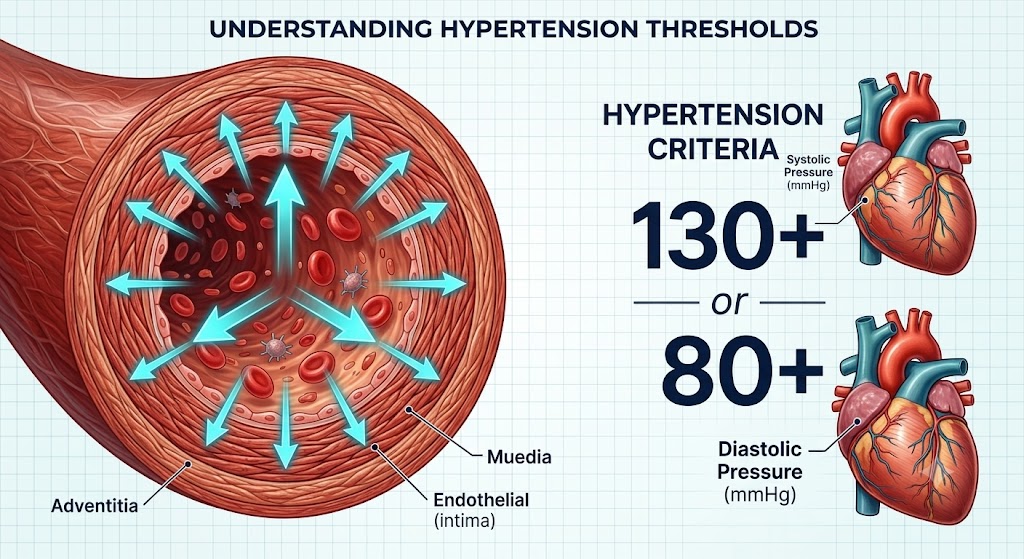
High blood pressure, medically known as hypertension, is one of the most common health conditions worldwide and a major risk factor for serious cardiovascular problems.
Often described as a “silent killer,” hypertension usually develops without obvious symptoms. Many people may not know they have high blood pressure until it is detected during a medical checkup or after complications occur.
When left uncontrolled, high blood pressure can damage blood vessels and increase the risk of severe health conditions, including heart disease, heart attacks, stroke, kidney disease, and other life-threatening complications.
Understanding Blood Pressure Readings
Blood pressure measures the force of blood pushing against the walls of the arteries. It is recorded in millimeters of mercury (mm Hg) and appears as two numbers, such as 120/80 mm Hg.
Systolic Pressure (Top Number)
The systolic number measures the pressure in the arteries when the heart contracts and pumps blood throughout the body.
Diastolic Pressure (Bottom Number)
The diastolic number measures the pressure in the arteries when the heart relaxes between beats.
Both numbers provide important information about cardiovascular health.
Blood Pressure Categories
| Category | Systolic (Top Number) | Diastolic (Bottom Number) |
|---|---|---|
| Normal | Less than 120 mm Hg | Less than 80 mm Hg |
| Elevated | 120–129 mm Hg | Less than 80 mm Hg |
| Stage 1 Hypertension | 130–139 mm Hg | 80–89 mm Hg |
| Stage 2 Hypertension | 140 mm Hg or higher | 90 mm Hg or higher |
| Hypertensive Crisis | Higher than 180 mm Hg | Higher than 120 mm Hg |
A hypertensive crisis is a medical emergency. Anyone experiencing extremely high blood pressure readings, especially with symptoms such as chest pain, difficulty breathing, vision problems, or severe discomfort, should seek emergency medical care immediately.
Why High Blood Pressure Is Dangerous
Over time, uncontrolled hypertension can place excessive strain on the heart and blood vessels.
The constant pressure can weaken artery walls, contribute to plaque buildup, and force the heart to work harder than normal.
Potential complications include:
- Heart attacks
- Stroke
- Heart failure
- Kidney damage
- Vision problems
- Blood vessel damage
- Cognitive decline linked to vascular problems
Common Risk Factors for Hypertension
While the exact cause of high blood pressure is not always clear, several factors can increase a person’s risk.
Lifestyle Factors
Daily habits can significantly influence blood pressure levels. Common contributors include:
- Eating too much salt (sodium)
- Lack of physical activity
- Being overweight or obese
- Excessive alcohol consumption
- Smoking or tobacco use
- Poor dietary choices
Age and Population Factors
The risk of developing hypertension generally increases with age.
Certain populations may also experience higher rates or more severe forms of hypertension. Research has shown that Black adults are disproportionately affected by high blood pressure and related complications.
Genetics and Family History
A family history of hypertension can increase the likelihood of developing the condition.
People with close relatives who have high blood pressure should monitor their readings regularly and discuss risk factors with healthcare providers.
Underlying Health Conditions
Some medical conditions can contribute to secondary hypertension, including:
- Kidney disease
- Diabetes
- Sleep apnea
- Hormonal disorders
- Certain medications
Steps to Manage and Lower Blood Pressure
Managing hypertension often requires a combination of lifestyle changes, regular monitoring, and medical treatment when necessary.
1. Monitor Blood Pressure at Home
Regular monitoring can help individuals and healthcare providers understand blood pressure patterns.
A validated home blood pressure monitor can help track readings and identify whether treatment strategies are working.
Keeping a record of readings can also provide valuable information during medical appointments.
2. Follow the DASH Diet
The Dietary Approaches to Stop Hypertension (DASH) diet is a widely recommended eating plan designed to help reduce blood pressure.
The approach emphasizes:
- Fruits and vegetables
- Whole grains
- Beans and legumes
- Low-fat dairy products
- Lean proteins
- Healthy fats
It also encourages reducing:
- Sodium
- Processed foods
- Excess sugar
- Unhealthy fats
3. Increase Physical Activity
Regular exercise can strengthen the heart and improve circulation.
Health experts generally recommend at least:
150 minutes of moderate aerobic activity per week
Examples include:
- Brisk walking
- Cycling
- Swimming
- Dancing
- Other activities that increase heart rate safely
4. Work With a Healthcare Provider
Lifestyle changes are often effective, but some people require medication to control blood pressure.
Doctors may prescribe medications such as:
- ACE inhibitors
- Angiotensin II receptor blockers (ARBs)
- Beta-blockers
- Calcium channel blockers
- Diuretics
The right medication depends on an individual’s health history, risk factors, and response to treatment.
Important Safety Warnings
People taking blood pressure medication should never stop, reduce, or change their medication without first consulting a healthcare professional.
Stopping treatment suddenly can cause dangerous spikes in blood pressure and increase the risk of serious complications.
Seek emergency medical attention if blood pressure rises above 180/120 mm Hg and is accompanied by symptoms such as:
- Chest pain
- Shortness of breath
- Blurred vision
- Severe headache
- Confusion
- Weakness or numbness
- Back pain
Taking Control of Your Heart Health
High blood pressure is manageable when detected early and properly controlled.
Regular checkups, healthy lifestyle choices, medication when prescribed, and consistent monitoring can greatly reduce the risk of complications.
Understanding your numbers is the first step toward protecting your heart, brain, kidneys, and overall health.
Source: Omanghana