Omanghana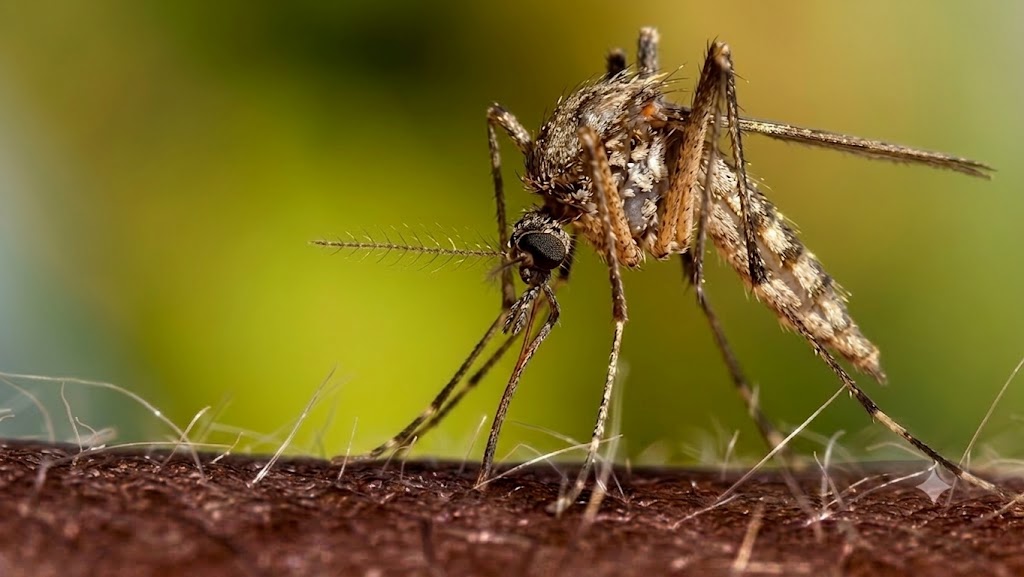
A rapidly spreading invasive mosquito species is raising serious public health concerns across Africa, with experts warning that it could fuel a major resurgence of malaria in densely populated cities.
Known as Anopheles stephensi, the mosquito is particularly dangerous because of its ability to survive in urban environments where traditional malaria-carrying mosquitoes are less common. Researchers estimate that its continued spread could expose more than 126 million additional people to the disease.
Unlike many native African malaria vectors, which commonly breed in rural areas and natural pools of water, Anopheles stephensi lays its eggs in artificial containers found around homes and businesses. Water tanks, discarded tyres, buckets, wells and construction sites can all provide suitable breeding grounds.
The mosquito can also reproduce throughout the year, allowing malaria transmission to continue beyond the rainy season. It is capable of carrying both Plasmodium falciparum, the parasite responsible for most malaria deaths in Africa, and Plasmodium vivax, another widespread cause of the disease.
Scientists are especially concerned about the mosquito’s resistance to commonly used insecticides. Researchers say its biological defense mechanisms, including detoxification enzymes, can help it survive exposure to several chemicals used in mosquito-control programs.
Genomic research led by the Liverpool School of Tropical Medicine indicates that the mosquito originated in South Asia before gaining a foothold in Djibouti. It has since expanded across the Horn of Africa and into other parts of the continent.
Outbreaks or detections have been reported in countries including Sudan, Ethiopia, Kenya, Nigeria, Ghana and Niger, increasing pressure on health authorities to strengthen mosquito surveillance and urban sanitation programs.
The World Health Organization and its partners are encouraging affected countries to move beyond temporary containment and adopt coordinated measures aimed at preventing the mosquito from becoming permanently established.
Recommended interventions include removing stagnant water, covering household water containers, improving waste management and expanding biological methods that target mosquito larvae. Scientists are also exploring genetic technologies designed to reduce mosquito populations or limit their ability to transmit malaria.
Some experimental programs are reportedly testing automated, artificial intelligence-guided laser systems capable of identifying mosquitoes through their wing-beat frequencies and targeting them in flight. However, such technology remains at the experimental stage and is not yet a replacement for established malaria-control measures.
Health experts warn that controlling Anopheles stephensi will require governments, researchers and local communities to work together. Without swift action, the invasive mosquito could undermine decades of progress against malaria and transform the disease into an even greater urban health threat across Africa.
Source: Omanghana