Omanghana
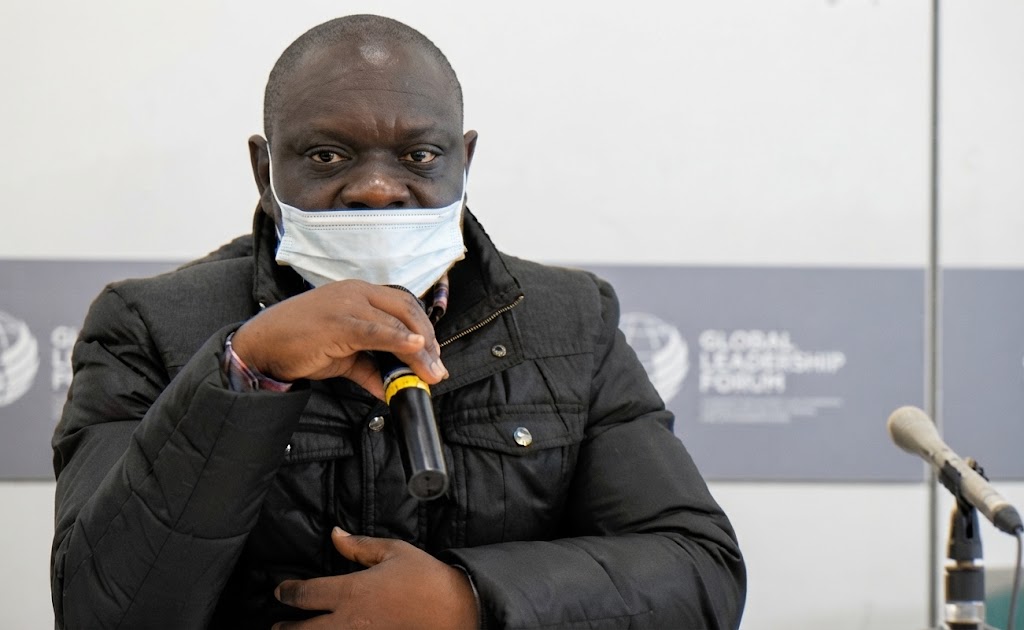
Japan’s Supreme Court has dismissed an appeal by a 36-year-old Ghanaian man seeking public assistance while undergoing treatment for chronic kidney failure, leaving earlier rulings against him in place.
The decision, dated September 9, 2026, was issued by the court’s Second Petty Bench. Three of the four justices supported dismissing the appeal, while presiding Justice Mamoru Miura dissented. The majority did not directly decide whether excluding foreign nationals from the Public Assistance Act was unconstitutional.
The applicant, Siaw Johnson Kwaku, lives in Chiba and has been receiving treatment for chronic kidney failure since 2019. He challenged the city’s refusal to provide welfare support, arguing that denying assistance because of his nationality violated constitutional protections.
Kwaku arrived in Japan in 2015 and worked at a company run by his brother before developing the illness. His residence status was subsequently changed to “Designated Activities” for medical treatment, under conditions that prevented him from working.
He applied for public assistance in 2021, but Chiba authorities rejected the request. In January 2024, the Chiba District Court ruled that foreign nationals were not included within the category of citizens covered by the Public Assistance Act. The Tokyo High Court upheld the ruling in August that year.
The lower courts held that extending statutory eligibility to foreign nationals was a matter for lawmakers. The Supreme Court’s dismissal brings Kwaku’s challenge to those decisions to an end.
Miura took a different position, arguing that denying necessary support to foreign residents permitted to remain in Japan for medical treatment was contrary to humanitarian principles. He considered the exclusion unconstitutional insofar as it applied to people in circumstances such as Kwaku’s.
The dissenting justice warned that patients unable to work could face threats to their survival if they could not maintain a minimum standard of living. He favored overturning the Tokyo High Court’s decision and returning the case for further consideration. His opinion, however, did not change the outcome.
Source: Omanghana