Omanghana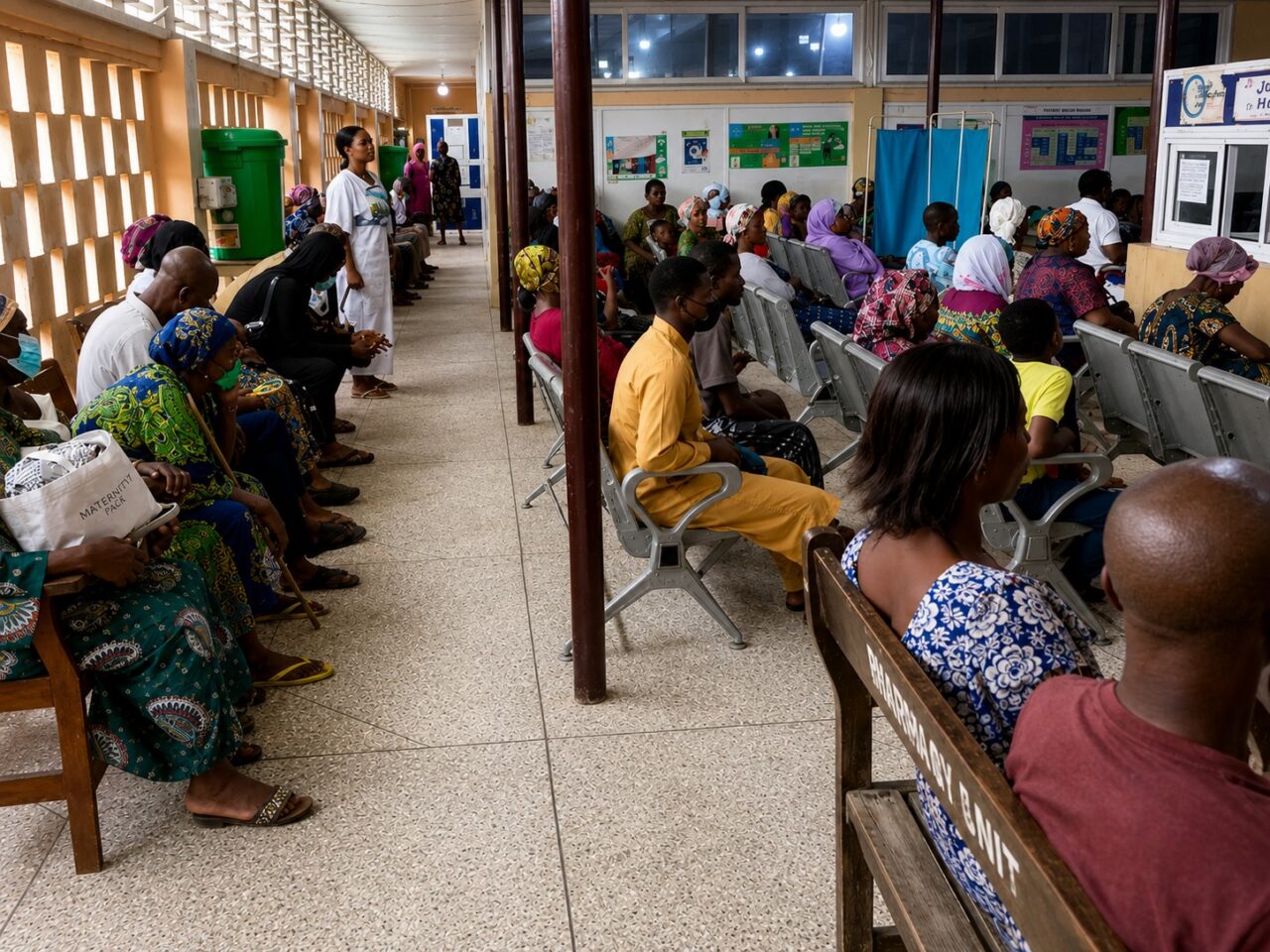
Long waits for medical care are increasingly being recognized as more than just an inconvenience. Health experts say prolonged delays have become a growing global healthcare challenge, affecting not only access to treatment but also patients’ physical, emotional, and financial well-being.
As healthcare systems around the world continue to face staffing shortages, rising patient demand, and administrative pressures, many patients are spending weeks or even months waiting for appointments, test results, specialist consultations, and medical procedures.
According to healthcare professionals, these delays can have serious consequences that extend far beyond the waiting room.
Delayed Care Can Worsen Health Outcomes
Medical experts warn that prolonged waiting periods can contribute to worsening health conditions, particularly for patients with serious or chronic illnesses.
Research has shown that delays in receiving timely treatment may lead to disease progression, more complicated medical interventions, and higher healthcare costs.
In emergency care settings, studies have found that even modest increases in waiting times for critically ill patients can result in greater resource use and more intensive treatment once care is finally provided.
Health professionals say early diagnosis and prompt intervention remain key factors in improving patient outcomes.
Emotional Burden on Patients
Beyond the physical impact, long waiting times can also take a significant psychological toll.
Many patients report experiencing anxiety, uncertainty, and frustration while waiting for appointments or medical results. The lack of clear timelines often leaves individuals feeling powerless, making it difficult to plan work, family responsibilities, or major life decisions.
For people living with chronic conditions, prolonged delays may create additional stress as they navigate ongoing symptoms while waiting for specialist care or treatment approvals.
Mental health experts note that uncertainty surrounding healthcare can contribute to emotional distress and reduce overall quality of life.
Challenges Facing Healthcare Systems
Experts say lengthy waiting times are largely driven by structural issues rather than the actions of individual healthcare workers.
Among the key factors contributing to delays are:
- Healthcare workforce shortages, including limited numbers of doctors, nurses, and allied health professionals.
- Growing demand for medical services, particularly as populations age and chronic diseases become more common.
- Administrative workloads, such as insurance approvals, documentation, and regulatory requirements, which reduce the amount of time clinicians can spend treating patients.
- Scheduling pressures, with some healthcare facilities overbooking appointments to compensate for patient no-shows, sometimes resulting in longer waiting times for everyone.
Healthcare analysts also point to disparities in compensation across medical specialties, which can discourage new graduates from entering primary care, where patient demand is often greatest.
Calls for Systemic Reform
Health policy experts argue that reducing wait times will require broader reforms aimed at improving both efficiency and patient care.
Suggested measures include increasing investment in healthcare personnel, expanding access to primary care, simplifying administrative processes, and making greater use of digital technologies to streamline appointments and medical records.
Many healthcare organizations are also encouraging the delegation of administrative tasks to trained support staff, allowing doctors and nurses to spend more time with patients and less time on paperwork.
Studies have shown that such operational improvements can increase clinic efficiency, reduce staff burnout, and shorten patient waiting times.
Putting Patients at the Center
Healthcare advocates say addressing long wait times requires more than operational changes—it also calls for a renewed focus on patient-centered care.
Rather than viewing healthcare solely as the treatment of illness, experts argue that systems should prioritize prevention, early intervention, and coordinated care that supports patients throughout their medical journey.
As healthcare systems continue to evolve, many believe reducing unnecessary delays will be essential to improving patient outcomes, restoring public confidence, and ensuring timely access to quality medical care.
Source: Omanghana