Omanghana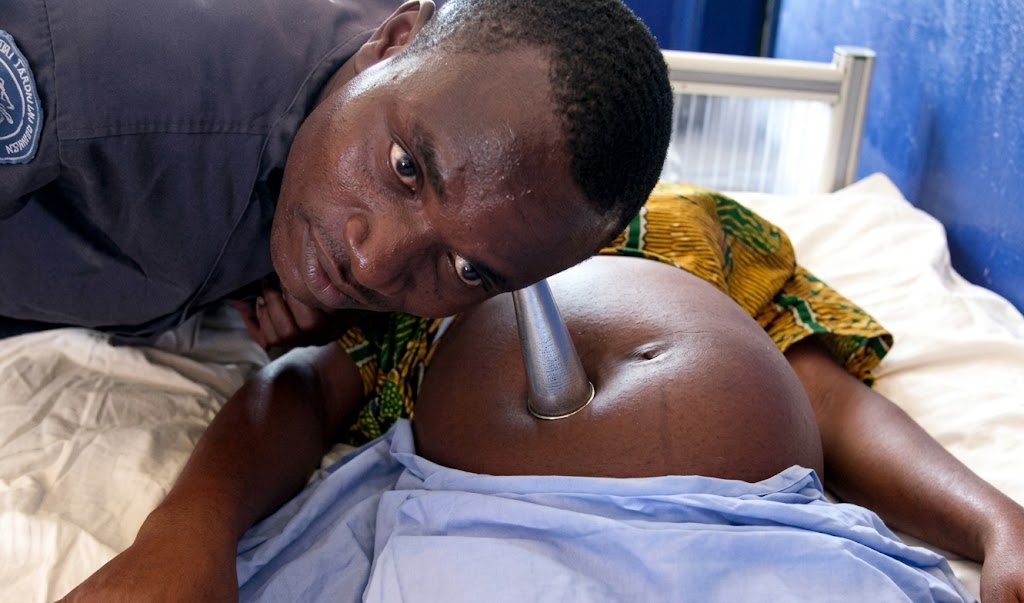
A growing number of male midwives in Lesotho are challenging long-standing cultural beliefs while helping to deliver essential maternal healthcare in some of the country’s most remote communities.
Pregnancy and childbirth have traditionally been regarded as exclusively female matters in the southern African kingdom. However, serious shortages of trained healthcare workers have encouraged more men to enter midwifery, particularly in rural and mountainous districts where access to medical services remains limited.
Although some expectant mothers are initially hesitant to receive intimate care from men, health officials say acceptance is gradually increasing as communities become more familiar with their work.
Male Midwives Help Fill Critical Staffing Gaps
Lesotho continues to experience one of the highest maternal mortality rates in East and Southern Africa.
According to the 2023/24 Lesotho Demographic and Health Survey, approximately 530 women die for every 100,000 live births. The figure is more than twice the global average of about 200 deaths per 100,000 births.
The country’s remote geography compounds the problem. Mountainous roads, limited transportation and understaffed clinics can prevent pregnant women from receiving prenatal care or reaching medical facilities before giving birth.
To address the shortage, health authorities encouraged male nurses to undertake additional midwifery training and serve in areas where qualified maternity workers were urgently needed.
There are now an estimated 300 male midwives working in Lesotho, although the government does not maintain an official gender-based register of practitioners.
Changing Perceptions of a Female-Dominated Profession
Men remain a small minority within the global midwifery profession. In Lesotho, however, their participation has become increasingly visible as more male nursing students pursue maternity-care training.
Their growing presence represents a major cultural shift in communities where men were historically excluded from birthing spaces.
Some women remain uncomfortable with being examined or assisted during delivery by a male healthcare worker. Lesotho’s health system allows patients to express that preference and request a female practitioner when one is available.
In emergencies or severely understaffed facilities, however, patients may have limited options.
Dr. Llang Maama, acting director of health services at Lesotho’s Ministry of Health, said communities are gradually recognizing that professional competence—not gender—should determine who provides maternity care.
Professional Care Helps Build Trust
Male midwives say earning the confidence of expectant mothers requires patience, communication and respect.
They often explain each medical procedure carefully, discuss their professional experience and seek the patient’s consent before conducting examinations.
Initial skepticism frequently diminishes once women experience attentive and compassionate care.
Blandina Motaung, a representative of the United Nations Population Fund in Lesotho, observed that some male midwives appear especially vigilant because they have not personally experienced pregnancy or childbirth.
That lack of firsthand experience can encourage them to pay closer attention to a patient’s concerns, monitor small changes carefully and communicate more frequently during prenatal examinations and deliveries.
Patients have also praised some male practitioners for being gentle, understanding and less judgmental when women arrive late for appointments or struggle to follow medical instructions.
Reaching Women in Remote Communities
Male midwives are playing an especially important role in districts such as Mohale’s Hoek, where scattered settlements and difficult terrain can leave pregnant women several hours away from a clinic.
One practitioner, Ntlhane Sehloho, sometimes travels for up to three hours along winding gravel roads to provide prenatal services at the Mpharane Health Center.
Sehloho was inspired to enter nursing after witnessing women in his rural community give birth at home because healthcare facilities were too far away. Some mothers died before they could receive professional assistance.
During outreach programs and home visits, male midwives may work alongside female colleagues to make patients more comfortable while ensuring that women receive examinations, health education and emergency referrals.
Their responsibilities include monitoring blood pressure, assessing pregnancy progression, identifying complications and assisting during childbirth.
Skilled Attendance Improves Access to Safer Delivery
Lesotho has made progress in expanding access to trained maternity workers despite its continuing maternal-health challenges.
UNICEF data indicate that approximately 92% of births in the country are now attended by a trained healthcare provider. The expansion of professional care has reduced dependence on unattended home deliveries, particularly in communities that previously had little access to health facilities.
However, the country must still improve the quality of care, strengthen emergency referral systems and ensure that clinics have enough medicines, equipment and qualified personnel.
The rise of male midwives alone will not eliminate maternal deaths. Their participation nevertheless provides Lesotho with a larger healthcare workforce while gradually transforming attitudes about gender and caregiving.
By entering a profession historically reserved for women, these practitioners are helping remote communities reconsider cultural expectations while giving more mothers and babies access to potentially life-saving care.
Source: Omanghana