Omanghana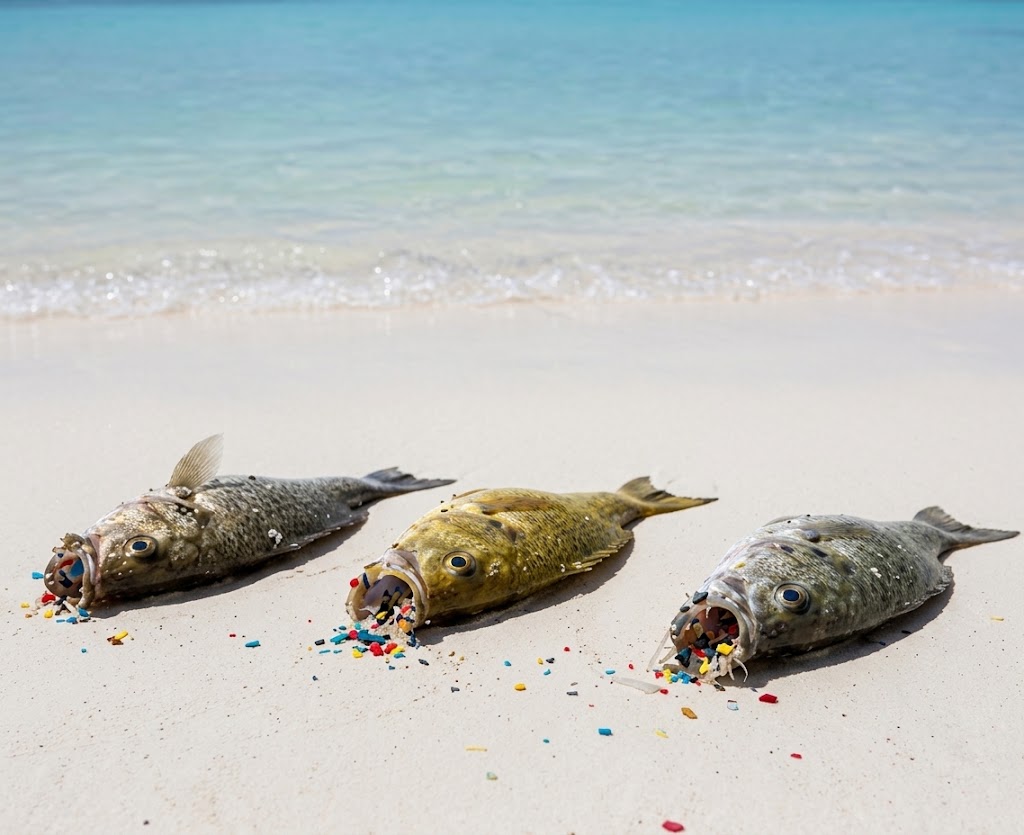
A senior scientist at the Council for Scientific and Industrial Research-Water Research Institute has called for immediate measures to control plastic pollution following the detection of microplastics in wild and farmed fish sampled from Ghanaian waters.
Dr. Pennante Naa Ayikialey Bruce-Vanderpuije said the findings raise concerns about the health of aquatic ecosystems and the possible movement of plastic particles into the country’s food supply.
She presented the results of a multi-year study titled Plastic on the Menu: Microplastics in Aquatic Foods and Beach Coastal Waste in Ghana. The research examined fish from the Lower Volta Basin and coastal waters along the Gulf of Guinea.
Researchers Examine 330 Fish
The study analyzed 330 fish representing 12 species collected from locations including Asikuma, Kpong and Sogakope.
Researchers detected microplastics—plastic particles measuring less than five millimeters—in the digestive tracts and gills of the sampled fish.
The presence of the particles in these organs is particularly relevant in Ghana, where some consumers prepare and eat fish whole without removing the guts or gills.
The findings were reportedly published in the peer-reviewed journals Chemosphere and Environmental Pollution.
Asikuma Records Highest Average Level
Fish collected from Asikuma recorded the highest average microplastic burden, with researchers detecting approximately 365 particles per fish.
Samples from Kpong contained an average of 209 particles per fish, while those collected at Sogakope recorded about 71 particles.
The differences suggest that contamination levels may vary depending on local activities, waste-management practices, water movement and the materials used in fishing and aquaculture.
The researchers identified several possible sources of contamination affecting cage-farmed tilapia. These included plastic particles in commercial fish feed, fragments from nylon cage nets, polyvinyl chloride materials and coatings used on boats.
Plastic waste transported through runoff and improperly disposed rubbish entering rivers and coastal areas may also contribute to the problem.
Study Estimates Possible Human Exposure
Using Ghana’s estimated annual fish consumption of 28 kilograms per person, the researchers calculated the number of microplastic particles individuals could potentially ingest under different consumption patterns.
A person who regularly eats whole cage-farmed tilapia could consume an estimated 2,561 microplastic particles annually. The estimated exposure from consuming whole wild marine fish could reach 4,785 particles per year.
These figures are exposure estimates rather than direct measurements of resulting illness. Scientific research into the long-term effects of microplastic consumption on human health is still developing.
International studies have nevertheless raised concerns about possible links between microplastic exposure and inflammation, cellular stress and organ toxicity. Researchers say more work is required to determine how particle size, chemical composition and exposure levels affect human health.
Researcher Calls for Action at Pollution Sources
Dr. Bruce-Vanderpuije argued that Ghana must prevent plastic waste from reaching waterways instead of relying mainly on clean-up exercises after pollution has occurred.
Beach and river clean-ups may remove visible rubbish, but they are less effective once plastics have broken down into tiny particles and entered aquatic organisms.
She therefore called for interventions targeting the production, consumption and disposal of plastic materials.
One proposed measure is the gradual restriction of problematic single-use plastics, particularly carrier bags and packaging products that are frequently discarded after brief use.
Deposit-refund schemes could also encourage consumers to return plastic bottles and other containers in exchange for a financial reward. Such a system could increase collection rates and reduce the amount of waste entering drains, rivers and coastal waters.
Dedicated Fund Proposed for Waste Management
The researcher also proposed establishing a circular plastics fund to support waste collection and recycling infrastructure.
The fund could help municipalities install collection points and improve waste services at fishing harbors, coastal landing sites and major markets.
Better collection systems would reduce the likelihood of plastic rubbish being carried into water bodies during rainfall or discarded directly into the environment.
Authorities were also encouraged to enforce appropriate standards for aquaculture operations. These could cover the materials used for fish cages, nets, feeding systems, PVC installations and boat maintenance.
Regular inspection and replacement of damaged equipment could help limit the release of plastic fragments into areas where fish are raised.
Threat to Food Security and Aquatic Life
Fish represents an important source of animal protein for many Ghanaian households, making the protection of rivers, lakes and coastal ecosystems a national food-security issue.
Microplastic pollution can affect more than consumers. Plastic particles may interfere with fish feeding, growth, reproduction and general health, potentially reducing the productivity of fisheries and aquaculture.
The contamination also reflects a broader waste-management challenge, as plastics discarded on land can travel through drainage systems into rivers, lagoons and the ocean.
Dr. Bruce-Vanderpuije urged policymakers, aquaculture operators, manufacturers, local authorities and consumers to treat plastic pollution as a shared responsibility.
She maintained that reducing plastic waste at its source remains the most effective way to protect Ghana’s water bodies, preserve aquatic food resources and limit the possible exposure of consumers to microplastics.
Source: Omanghana