Omanghana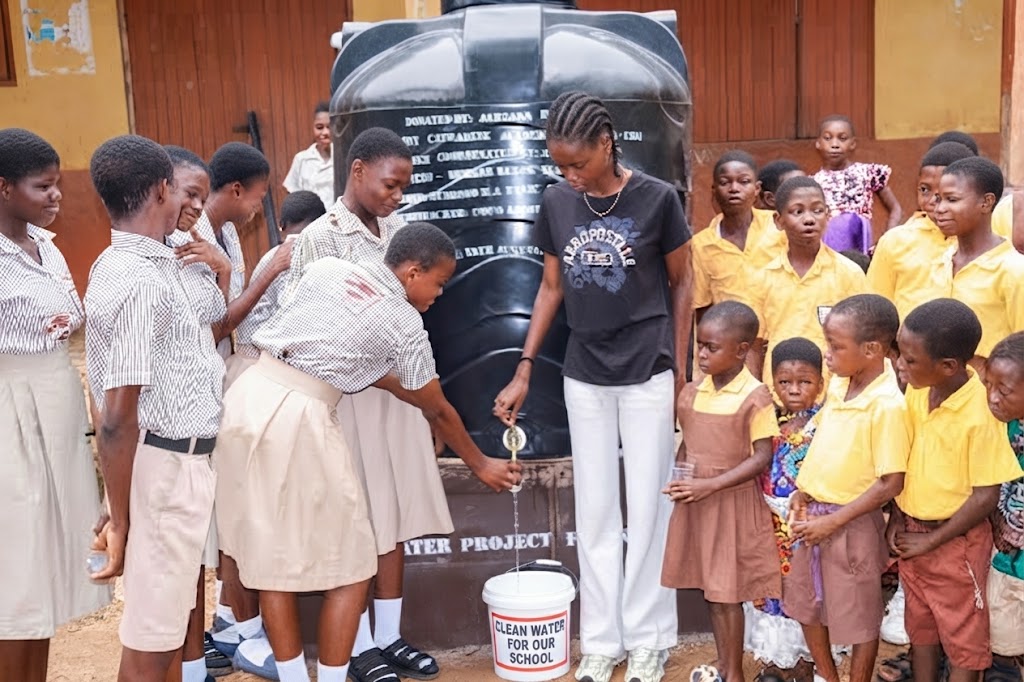
A 16-year-old Ghanaian student based in New York has supported two basic schools in the Akuapem North Municipality with systems designed to provide pupils and teachers with safer and more reliable drinking water.
Jahzara Boateng, a student of Saint Catharine Academy in New York, spearheaded the initiative after learning about the water and sanitation difficulties affecting the schools.
The intervention is expected to improve hygiene, reduce disruptions to lessons and eliminate the need for pupils to leave their campuses in search of water.
Initiative Addresses Water Shortages
Before the intervention, the beneficiary schools reportedly experienced persistent difficulties obtaining adequate water for drinking, handwashing, cleaning and other daily activities.
Some pupils were required to leave school grounds to fetch water, reducing the amount of time they spent in class and exposing them to additional safety and health risks.
The newly installed systems provide facilities for water treatment and storage, giving the schools a more dependable supply during the academic day.
Reliable water access is expected to support better sanitation practices and reduce pupils’ exposure to waterborne illnesses.
Teenager Mobilises Support in New York
Boateng reportedly organised fundraising and community outreach activities in New York to finance the project.
She appealed to donors and community members for assistance, directing the resources raised towards the purchase and installation of the water systems.
The youth-led project demonstrates how students in the diaspora can contribute to addressing development challenges in Ghana, even while living and studying abroad.
Boateng’s efforts also highlight the role young people can play in mobilising communities around education, health and access to essential services.
Schools Welcome the Intervention
School administrators and community representatives welcomed the project, describing access to safe water as essential to effective teaching and learning.
The systems are expected to reduce the time pupils spend fetching water and allow teachers to conduct lessons without avoidable interruptions.
Improved water access can also support handwashing, cleaning of classrooms and toilets, food preparation and menstrual hygiene management.
These benefits could contribute to improved attendance and a healthier learning environment, although the long-term effect will depend on regular maintenance and proper use.
Maintenance Considered Essential
Measures have reportedly been introduced to help the schools manage and maintain the facilities.
Local school-management representatives are expected to receive basic guidance on cleaning, routine inspections and the early identification of technical problems.
Assigning responsibility for maintenance will be important to prevent the systems from deteriorating after installation.
The schools will also need to monitor water quality and ensure that storage facilities remain covered and protected from contamination.
Youth-Led Project Supports Sustainable Development
The project contributes to efforts to achieve Sustainable Development Goal Six, which calls for universal access to safe water and sanitation.
It also supports educational development by helping create school environments in which children can remain healthy and concentrate on learning.
Boateng’s initiative shows how relatively small, targeted interventions can respond to practical challenges confronting underserved schools.
For the two beneficiary institutions, the availability of safe drinking water represents more than an infrastructure improvement. It removes a daily burden from pupils and teachers while giving children more time and better conditions in which to learn.
Source: Omanghana