Omanghana
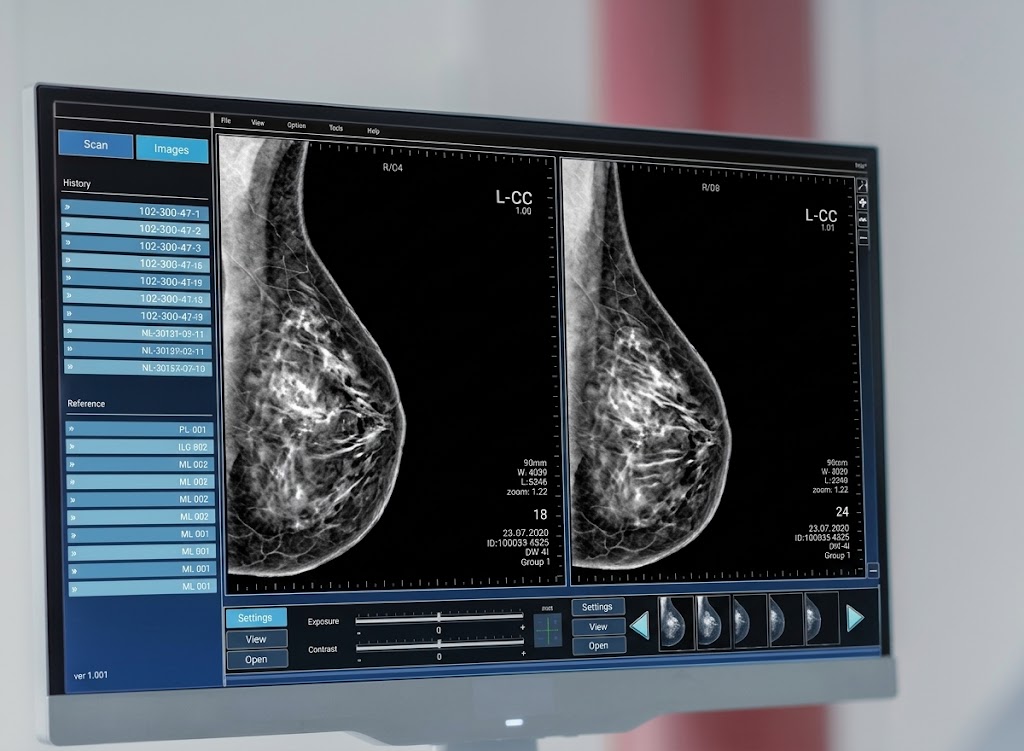
Ghana’s National Film Authority (NFA) has come under criticism over its use of artificial intelligence-generated visuals in a promotional video for its “Pink October” breast cancer awareness campaign.
The video features voiceovers from Ghanaian actors including Kafui Danku, Adjetey Anang, Fella Makafui and Gloria Safo. However, the accompanying imagery was generated using AI rather than conventional filming.
The production approach has sparked debate among filmmakers and social media users about the authority’s responsibility to support local creative professionals.
Concerns Over Opportunities for Local Talent
Critics argue that an institution tasked with developing Ghana’s film industry should priorities opportunities for actors, camera operators, editors and other production specialists.
They questioned why the campaign relied on generated imagery when local professionals could have produced the visuals, describing the decision as a missed opportunity to commission Ghanaian talent.
The criticism centers on the NFA’s choice of production method and its implications for an industry where access to paid work remains a concern.
Viewers Question Visual Quality
Some viewers also raised concerns about the execution of the video, pointing to awkward movement and apparent visual inconsistencies in the AI-generated scenes.
These reactions broadened the discussion beyond employment to the quality standards expected of a campaign produced by the national film regulator.
The controversy has also renewed debate about how AI should be incorporated into Ghana’s creative sector and how institutions can adopt new technology while supporting the professionals they represent.
NFA Explains Campaign Concept
NFA Chief Executive Officer Kafui Danku-Pitcher explained that the use of AI was deliberate and formed part of the campaign concept, “Behind Every Screen Is a Life.”
According to her explanation, the approach sought to connect a digital theme with a public awareness message.
That explanation has not resolved the central concern raised by critics: how the authority balances technological experimentation with its role in promoting opportunities for Ghanaian filmmakers and production crews.
Source: Omanghana