Omanghana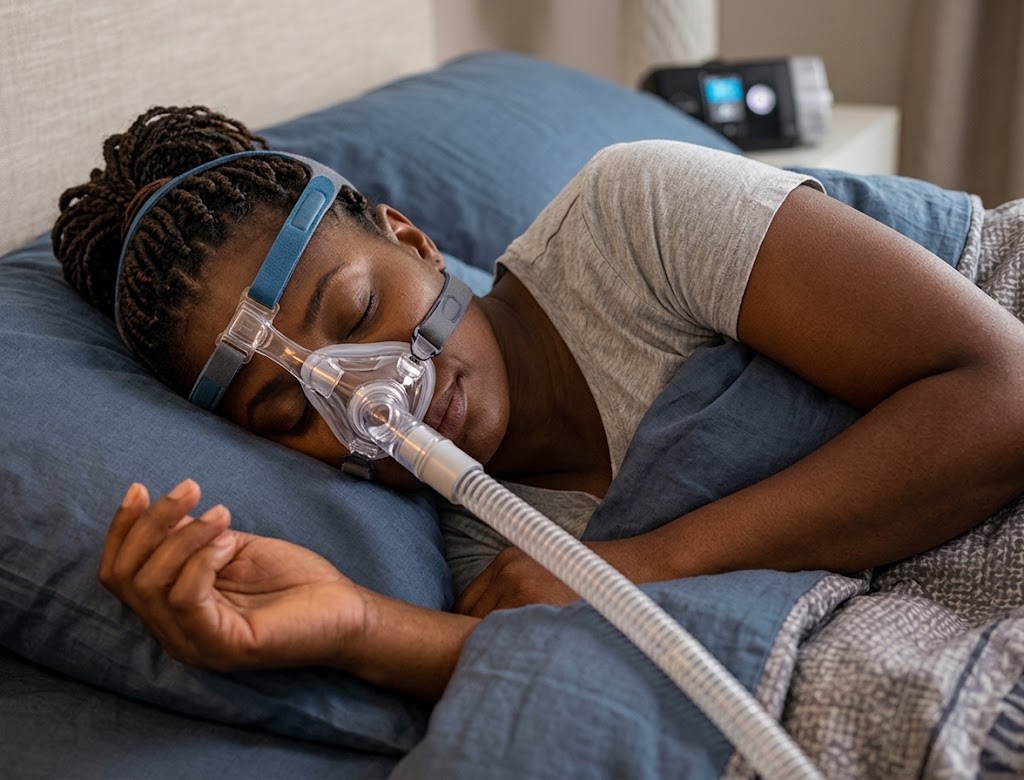
Sleep plays an essential role in physical health, mental well-being and daily performance. When persistent snoring, breathing difficulties, insomnia or excessive daytime tiredness disrupt normal life, a sleep disorder center can help identify the underlying cause and recommend appropriate treatment.
Sleep disorder centers are specialized medical facilities that evaluate, diagnose and treat conditions affecting sleep quality, duration, timing and breathing. They are typically staffed by sleep medicine physicians, certified sleep technologists and other healthcare professionals trained in managing sleep-related conditions.
Common Conditions Evaluated at Sleep Centers
Sleep problems can have many causes. Some arise from breathing difficulties, while others involve the nervous system, body movement, behavior or a person’s internal sleep schedule.
Sleep Apnea
Sleep apnea causes breathing to repeatedly stop and restart during sleep. Obstructive sleep apnea occurs when the upper airway becomes blocked, while central sleep apnea develops when the brain does not consistently send the signals needed for breathing.
Common warning signs include loud snoring, gasping or choking during sleep, witnessed breathing pauses, morning headaches, poor concentration and excessive daytime sleepiness.
Insomnia
Insomnia involves persistent difficulty falling asleep, remaining asleep or returning to sleep after waking too early. Chronic insomnia can affect mood, memory, work performance and overall quality of life.
A sleep specialist may investigate medical conditions, medications, stress, anxiety, lifestyle habits and environmental factors that could be contributing to the problem.
Restless Legs Syndrome and Periodic Limb Movement Disorder
Restless legs syndrome, or RLS, creates uncomfortable sensations in the legs and a strong urge to move them. Symptoms usually become more noticeable during periods of rest and may worsen in the evening.
Periodic limb movement disorder, or PLMD, causes repetitive and involuntary movements of the legs or arms during sleep. These movements can interrupt sleep even when the person is unaware that they are occurring.
Narcolepsy and Idiopathic Hypersomnia
Narcolepsy is a neurological sleep disorder associated with overwhelming daytime sleepiness and, in some cases, sudden episodes of muscle weakness known as cataplexy.
Idiopathic hypersomnia also causes excessive daytime sleepiness, but affected individuals may sleep for long periods and still struggle to feel alert. Specialized testing is often required to distinguish these disorders from insufficient sleep, sleep apnea and other medical conditions.
Parasomnias
Parasomnias are unusual behaviors, movements or experiences that occur while falling asleep, during sleep or when waking. They include sleepwalking, night terrors, sleep-related eating and REM sleep behavior disorder.
Although some parasomnias are harmless, others can create a risk of injury or indicate an underlying sleep or neurological condition.
Circadian Rhythm Sleep Disorders
Circadian rhythm disorders occur when a person’s internal body clock does not align with the sleep schedule required by work, school or daily responsibilities.
Examples include shift work disorder, delayed sleep-wake phase disorder and advanced sleep-wake phase disorder. Treatment may involve carefully timed light exposure, schedule adjustments, behavioral changes or medication under medical supervision.
Diagnostic Tests and Services
A sleep specialist will review a patient’s symptoms, medical history, medications and sleep habits before recommending testing. Patients may also be asked to complete a sleep diary or wear a device that monitors rest and activity.
Overnight Sleep Study
An in-lab polysomnography test is a non-invasive overnight study conducted at a sleep center. Sensors monitor brain waves, oxygen levels, heart rate, breathing patterns, eye movements and muscle activity while the patient sleeps.
The results can help diagnose sleep apnea, unusual movements, parasomnias and other sleep-related conditions.
Home Sleep Apnea Testing
Home sleep apnea testing uses a portable monitor to record breathing, oxygen levels and other measurements while the patient sleeps at home.
The test may be suitable for certain adults who are suspected of having obstructive sleep apnea. It does not evaluate every type of sleep disorder, so an in-lab study may still be necessary when results are negative, unclear or inconsistent with the patient’s symptoms.
CPAP and BiPAP Titration
Continuous positive airway pressure, commonly known as CPAP, keeps the airway open by delivering pressurized air through a mask. BiPAP machines provide different pressure levels during inhalation and exhalation.
During a titration study, sleep technologists adjust the pressure settings to determine the level needed to prevent breathing interruptions and maintain healthy oxygen levels.
Multiple Sleep Latency Test
The Multiple Sleep Latency Test, or MSLT, measures how quickly a person falls asleep during a series of scheduled daytime naps. It also records whether the person enters rapid eye movement sleep.
The test is commonly used when narcolepsy or another disorder involving excessive daytime sleepiness is suspected. It is usually performed after an overnight sleep study.
Treatment Options
Treatment depends on the diagnosis and the severity of the condition. A personalized plan may include CPAP or BiPAP therapy, lifestyle adjustments, medication management or referral for an oral appliance.
Patients with chronic insomnia may benefit from Cognitive Behavioral Therapy for Insomnia, known as CBT-I. This structured treatment addresses thoughts and behaviors that interfere with sleep and is widely used as a first-line treatment for persistent insomnia.
Other options may include weight management, changes to sleep schedules, positional therapy, light therapy or surgery in selected cases.
How to Schedule an Evaluation
Some sleep centers accept patients directly, while others require a referral from a primary care physician or another healthcare professional. Insurance requirements may also determine whether prior authorization is needed before testing.
Patients should contact their primary care provider, insurance company or a local sleep center to confirm referral requirements, available services and coverage.
Anyone experiencing repeated breathing pauses, choking during sleep, severe daytime sleepiness or drowsiness while driving should seek medical evaluation promptly. A proper diagnosis can improve sleep, reduce health risks and help restore energy and alertness during the day.
Source:Omanghana