Omanghana
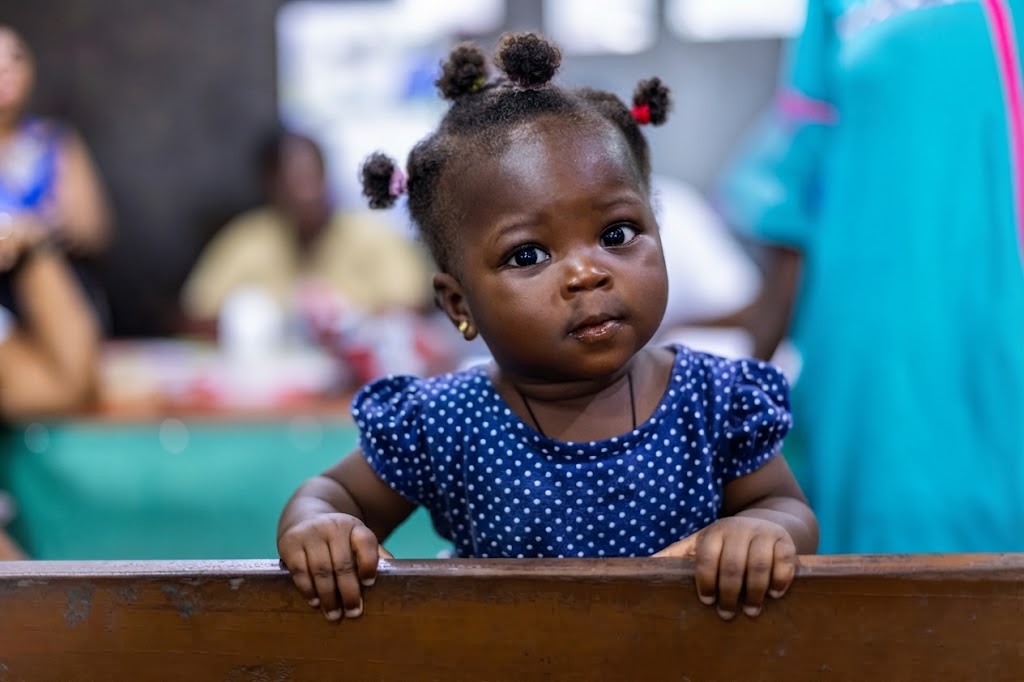
UNICEF has called on the Government of Ghana to provide approximately GH¢30 million each year to sustain Integrated Social Services and expand support for vulnerable children and families.
Speaking at a national dialogue on child protection financing in Accra, UNICEF Ghana Social Policy Specialist Kwesi Asante urged the government to assume greater responsibility for funding essential services as external assistance declines.
The proposed annual allocation would support existing operations and extend the Integrated Social Services initiative across at least 100 vulnerable districts.
Asante also advocated a dedicated yearly budget of GH¢1.4 million for the Social Welfare Information Management System, known as SWIMS. The platform enables social welfare officers to document cases, monitor interventions and follow up on children requiring protection.
The appeal comes amid concerns about weakening funding sources. Figures presented at the dialogue indicated that development partners’ share of child protection funding fell from 14.5 per cent in 2022 to 3.4 per cent in 2026. The contribution from internally generated funds also declined from seven per cent to almost zero.
Although the Ministry of Gender, Children and Social Protection’s budget increased in nominal terms from GH¢2.9 billion in 2025 to GH¢3.2 billion in 2026, participants raised concerns about the resources available for frontline work.
They noted that personnel costs absorb a substantial share of funding, leaving inadequate provision for transport, fuel and other operational needs essential to reaching children and assisting families.
Staffing shortages present another challenge. Advocacy partners said the social welfare workforce currently stands at only 49 per cent of the required level nationwide.
Organizations involved in the dialogue, including Plan International Ghana, World Vision Ghana and the International Justice Mission, stressed that reliable child protection financing carries both social and economic benefits.
IJM representative Anita Budu cited figures placing core government expenditure on child protection at approximately GH¢7 per child annually.
Participants contrasted that level of spending with previous UNICEF estimates putting the annual economic cost associated with child abuse, exploitation and related harm in Ghana at between $223 million and $347 million.
The organizations called for predictable domestic funding to give frontline workers the personnel, systems and operational resources needed to respond effectively to children at risk.
Source: Omanghana