Omanghana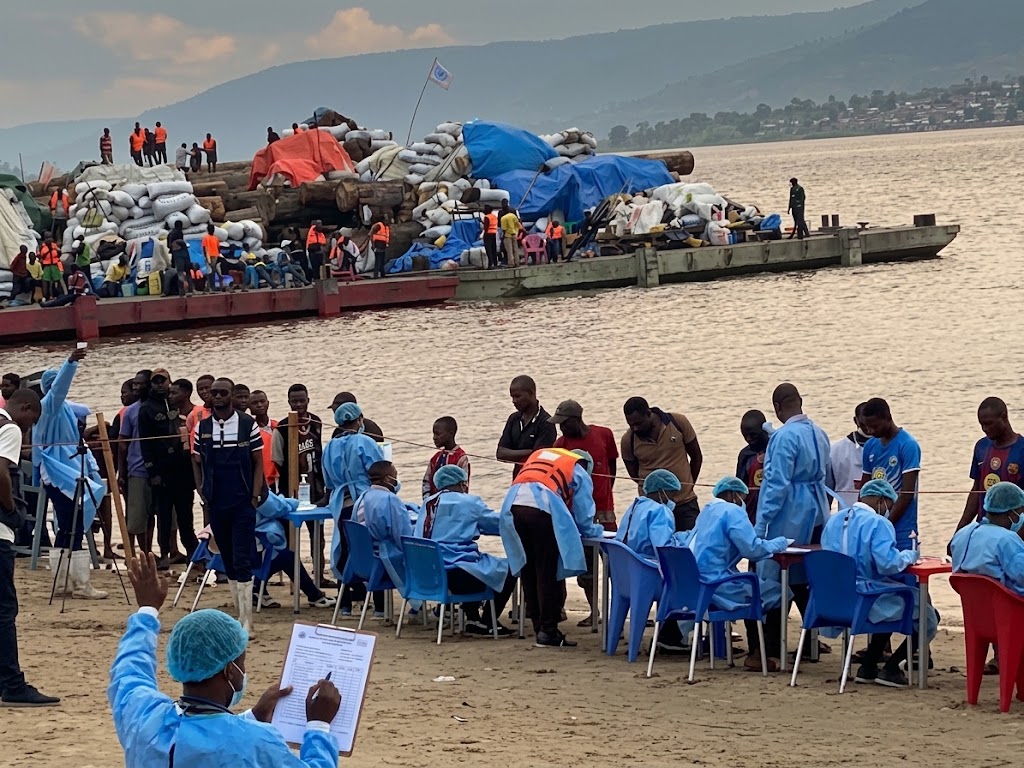
A critical shortage of clean water and sanitation facilities is weakening efforts to contain the rapidly expanding Ebola outbreak in Mongbwalu, a gold-mining town in the Democratic Republic of the Congo’s Ituri province.
Mongbwalu has emerged as the epicentre of the 2026 epidemic, which is linked to the Bundibugyo ebolavirus. The strain currently has no licensed vaccine, making early detection, patient isolation, contact tracing and strict hygiene practices particularly important.
However, access to safe water remains severely limited across the town. Many residents are unable to wash their hands regularly or maintain the sanitation standards required to reduce the risk of transmission.
Groundwater in parts of Mongbwalu has reportedly been contaminated by toxic runoff from nearby small-scale gold-mining operations. This has left many households dependent on public taps, natural springs and other limited water sources.
Water supplied through public taps is also considered too expensive for many families. Residents who can afford it are often forced to ration the water carefully among drinking, cooking, bathing and household cleaning.
Others walk several kilometres each morning carrying plastic containers to collect free water from natural springs. The daily search for water places an additional burden on families already struggling with the effects of the Ebola outbreak, food insecurity and economic hardship.
Because drinking and cooking receive priority, many households have little water remaining for regular handwashing. This creates a major challenge in a town confronting a disease that can spread through direct contact with the blood or other bodily fluids of an infected person.
Sanitation problems extend beyond individual homes. Mongbwalu’s central market, where hundreds of traders and customers gather each day, reportedly lacks sufficient handwashing stations and sanitizers.
The absence of basic hygiene facilities in crowded public areas increases the possibility of exposure, particularly when residents have limited access to reliable health information, protective equipment and medical services.
International aid organisation Oxfam estimates that only one in five of Mongbwalu’s approximately 140,000 residents has dependable access to safe water. The figure highlights the scale of the challenge facing health authorities and humanitarian agencies working to stop the outbreak.
Public health specialists have warned that water scarcity could accelerate the emergency by making even the simplest infection-prevention measures difficult to follow. They say providing affordable clean water, soap, disinfectants and public handwashing points must form a central part of the outbreak response.
The epidemic was first reported in early 2026 and has since spread rapidly through parts of the DRC and neighbouring Uganda. By mid-August, nearly 5,000 confirmed cases and more than 2,300 deaths had been recorded across the two countries.
The outbreak has been described as the fastest-growing Ebola epidemic on record, placing enormous pressure on local hospitals, isolation centres and frontline health workers.
Containment efforts are being further complicated by armed conflict in eastern DRC. Insecurity has restricted humanitarian access to some communities, disrupted supply routes and made it more difficult for medical teams to trace people who may have come into contact with infected patients.
High population mobility is another major concern. Mongbwalu’s mining economy attracts workers and traders from different communities, creating frequent movement between the town and surrounding areas. Health officials fear that infected individuals could unknowingly carry the virus to other locations before developing symptoms.
Treatment facilities are also struggling with rising patient numbers, shortages of essential supplies and limited staffing. These difficulties are compounded by widespread food insecurity, which has left many families physically and financially vulnerable.
Humanitarian organisations are calling for an urgent expansion of water, sanitation and hygiene services across Mongbwalu and other affected communities. Proposed measures include installing additional public water points, providing free or subsidised water, distributing soap and sanitizers, and establishing handwashing facilities in markets, schools, transport stations and health centres.
Without rapid improvements in access to clean water and sanitation, health experts fear that medical interventions alone will not be enough to bring the outbreak under control.
Source: Omanghana