Omanghana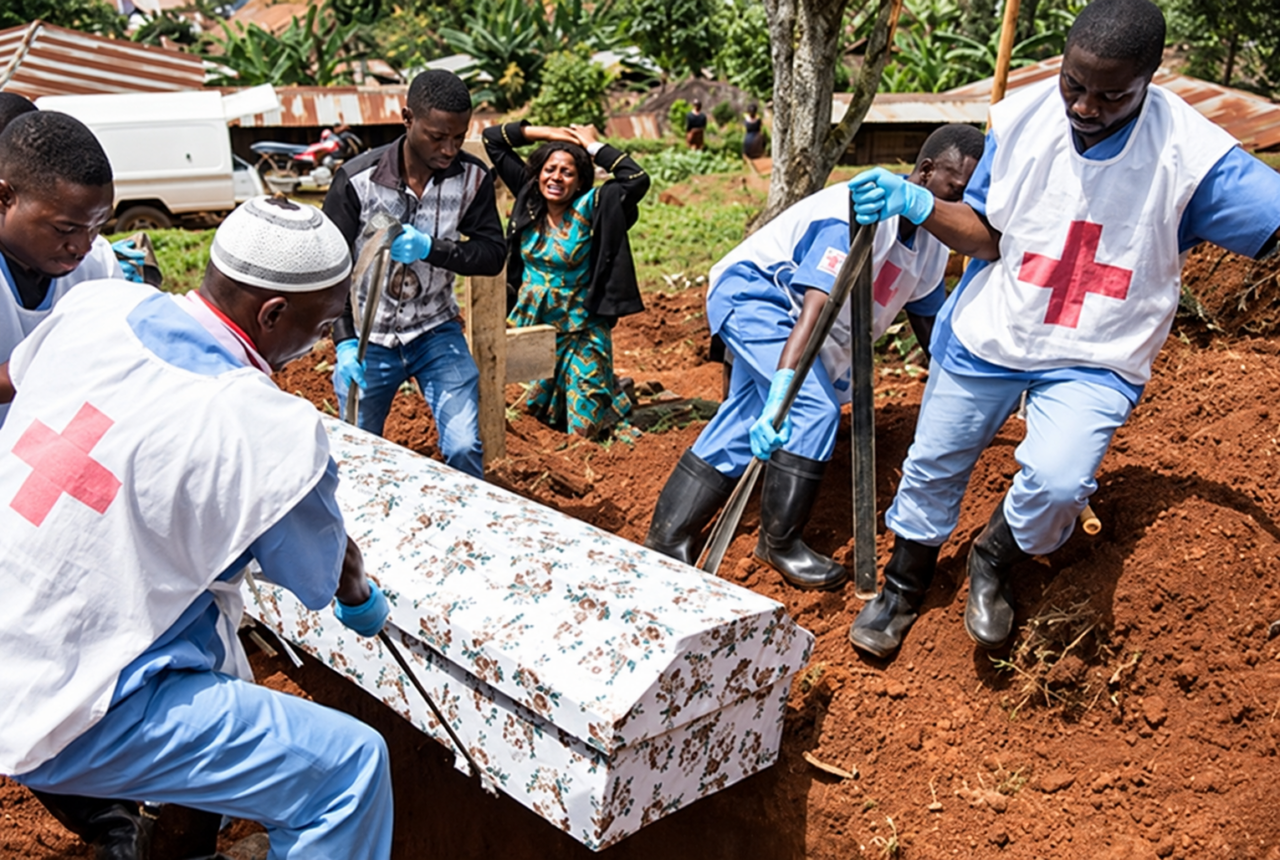
The World Health Organization has raised concern over the large number of Ebola patients dying outside treatment centers in the Democratic Republic of Congo, warning that delayed detection continues to undermine efforts to contain the outbreak.
WHO Director-General Dr Tedros Adhanom Ghebreyesus said most deaths were still occurring in communities and that contact tracing remained below the level needed, despite improvements in surveillance. He noted that new hotspots continued to emerge as responders operated amid a prolonged humanitarian crisis.
An October 14 report put the outbreak’s confirmed infections above 9,000, with more than 4,300 deaths across seven provinces.
WHO’s incident management team said approximately one-third of newly identified cases in recent weeks had been detected only after patients died in their communities. This suggests that many infected people were not reaching treatment services while alive.
Responders are therefore seeking to bring services closer to remote communities and health zones where access remains difficult.
Fear and stigma are also complicating the response. WHO has described how patients and survivors face anxiety, separation from relatives and, in some cases, rejection after returning home.
Congolese health authorities and their partners have incorporated psychological support into treatment, family assistance and community reintegration programs to address these pressures.
The outbreak involves the Bundibugyo species of Ebola. WHO says research into potential vaccines and treatments is continuing, alongside efforts to strengthen surveillance, contact tracing, clinical care and community engagement.
Regional concerns have intensified following infections linked to travel from Congo. WHO has urged countries to priorities screening, coordinated contact tracing and timely information-sharing, while advising against blanket travel and trade restrictions.
Source: Omanghana