Omanghana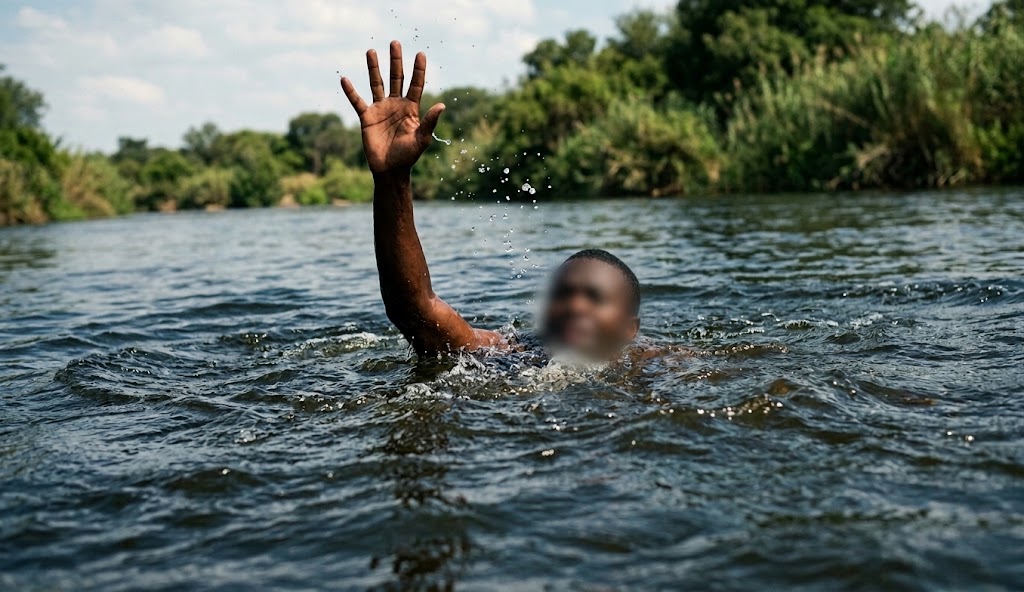
A 20-year-old man has reportedly drowned while helping stranded commuters cross a swollen river along the Ghana–Togo border corridor in the Volta Region.
The young man was said to have regularly assisted travelers using informal border routes. He was helping a group of commuters cross the river when strong currents reportedly swept him away.
Recent heavy rainfall within the area had caused the river’s water level to rise significantly, making the crossing increasingly dangerous. Despite the difficult conditions, residents and cross-border commuters continued to use the route for their daily activities.
Local divers and community members immediately launched a search for the victim with support from authorities. His body was later recovered and taken to a nearby health facility for preservation and the necessary autopsy procedures.
Officials from the Ghana Immigration Service and the police have reportedly begun preliminary investigations into the incident. They are also engaging traditional and community leaders to manage tensions and gather further information about the circumstances surrounding the drowning.
The tragedy has renewed concerns about the dangers associated with informal crossing points along Ghana’s borders. Residents of some border communities frequently depend on such routes for trade, family visits and daily commuting, particularly when recognized checkpoints are far from their homes.
The risks become greater during the rainy season when rivers overflow and strong underwater currents develop. Many of the informal crossing points also lack basic safety equipment, including life jackets, rescue boats and trained emergency personnel.
Authorities have repeatedly warned residents and cross-border traders against using unapproved routes. Travelers are being encouraged to use recognized border posts where immigration procedures and safer passage arrangements are available.
The incident has left the victim’s family and members of the border community devastated, while reinforcing calls for improved transport and safety infrastructure in communities located along the Ghana–Togo boundary.
Source: Omanghana