Omanghana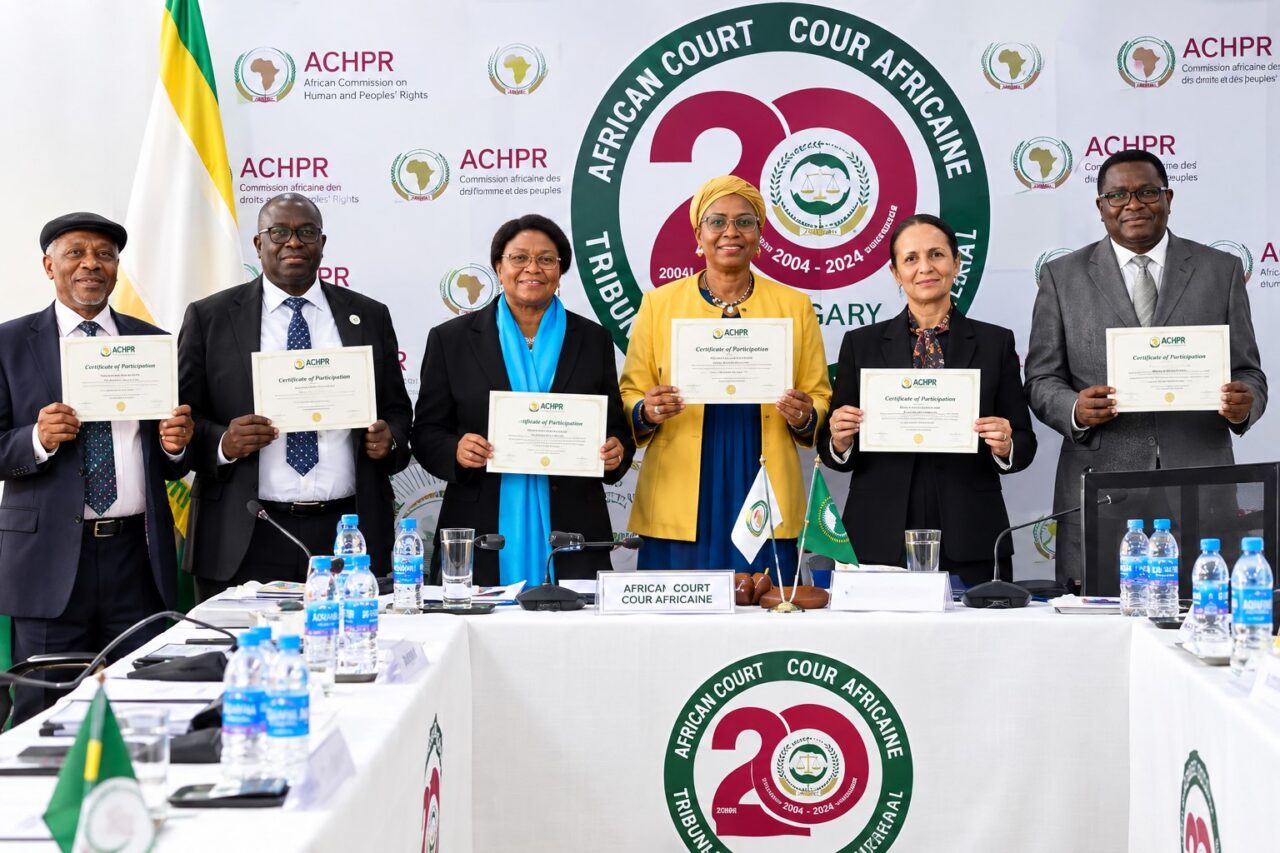
The African Court on Human and Peoples’ Rights has partnered with UNESCO to build judicial capacity in the use of artificial intelligence, with a focus on improving efficiency while safeguarding fairness.
The initiative brought together 72 judicial participants for a four-day training program in Arusha, Tanzania, from September 15 to 18, 2026. Held during the Court’s 82nd Ordinary Session, the program examined how AI could support judicial administration and help address case backlogs.
Guided by UNESCO’s framework, the training explored the use of AI for administrative tasks and faster case processing. Participants also considered the risks associated with the technology, particularly bias that could undermine equal treatment and the integrity of judicial decisions.
Court President Justice Blaise Tchikaya stressed that the institution could not afford to remain on the sidelines as digital technologies reshape public institutions.
Registrar Dr. Robert Eno emphasized the importance of retaining human judgment, saying AI should serve justice rather than substitute for it.
The program forms part of UNESCO’s wider work on technology and the rule of law. The organization has trained more than 38,000 judicial operators worldwide as legal institutions grapple with the opportunities and challenges presented by AI.
The initiative also responds to a reported gap in formal guidance, with 91 per cent of legal institutions lacking official AI guidelines.
Aligned with the African Union’s Continental Artificial Intelligence Strategy, the partnership seeks to equip judicial professionals with the knowledge to adopt emerging technologies responsibly while protecting the rights of those who rely on the courts.
Source: Omanghana