Omanghana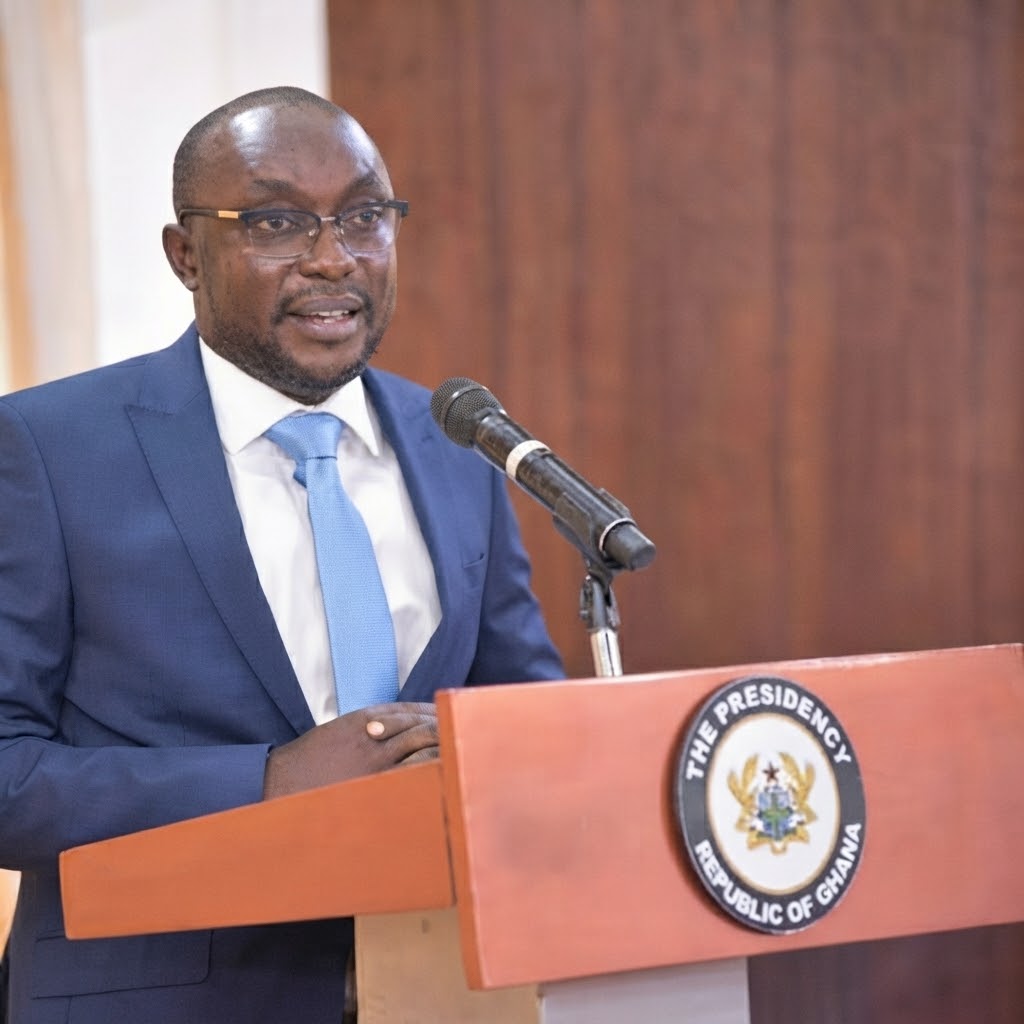
The Member of Parliament for Abuakwa South, Dr. Kingsley Agyemang, has called for the establishment of a National Disaster Risk Management Fund to provide Ghana with a sustainable financial mechanism for responding to recurring floods and other emergencies.
His proposal seeks to move the country away from relying mainly on emergency appeals and short-term relief whenever disasters occur. Instead, the fund would provide a predictable source of financing for preparedness, immediate response, recovery and long-term resilience.
Ghana Urged to Learn From Other Countries
Dr. Agyemang cited disaster-financing systems used in countries such as Japan, Mexico, India, the Philippines and the United Kingdom as models Ghana could study.
Many of these countries maintain dedicated financial arrangements to address their particular environmental and geographical risks, including earthquakes, hurricanes, severe storms and perennial flooding.
He argued that Ghana must adopt a similarly structured approach to its recurring disasters, particularly the floods that repeatedly affect Accra and other parts of the country during heavy rainfall.
Such a mechanism would allow the government and disaster-management institutions to act more quickly without waiting for emergency funding to be assembled after lives, homes and livelihoods have already been affected.
Multiple Sources Proposed for the Fund
To make the proposed fund reliable and sustainable, Dr. Agyemang recommended financing it through several different sources.
These could include annual allocations from the central government, dedicated taxes or levies and targeted corporate social responsibility contributions from major businesses operating in Ghana.
He specifically identified companies in the mining and extractive industries as potential contributors, given the environmental and social impact associated with their operations.
A diversified financing structure would reduce dependence on a single source of revenue while ensuring that resources remain available before, during and after a disaster.
Moving Beyond Emergency Relief
Ghana’s disaster-response system frequently concentrates on distributing food, mattresses, temporary shelter and other essential items after an emergency.
Although such assistance remains necessary, Dr. Agyemang’s proposal is intended to support a broader and more proactive approach. The fund could finance preventive works, strengthen early-warning systems, support emergency agencies and help affected communities recover more quickly.
It would also provide a financial buffer for households and communities whose losses may not be adequately covered by conventional insurance.
By maintaining resources specifically for disaster management, the country could reduce delays in responding to emergencies and improve coordination among government institutions, local assemblies and relief organizations.
Fund Would Complement Infrastructure Investments
The proposed National Disaster Risk Management Fund would not replace the need for stronger drainage systems, proper urban planning or the enforcement of building regulations.
Instead, it would complement long-term infrastructure projects designed to reduce flood risks. Such interventions include constructing and maintaining storm drains, dredging waterways, preventing development in flood-prone areas and improving waste management.
Recurring floods in urban centers are often worsened by clogged drains, construction on waterways, rapid urbanization and inadequate development controls. Addressing these problems requires both sustained infrastructure investment and readily available emergency financing.
Building Long-Term National Resilience
Dr. Agyemang’s proposal highlights the need for Ghana to treat disaster preparedness as a permanent national responsibility rather than a temporary reaction to individual emergencies.
A properly governed fund could help protect lives, reduce economic losses and accelerate recovery after floods and other disasters. It could also enable authorities to invest in preventive measures before emergencies occur.
The effectiveness of such a fund would, however, depend on transparency, clear disbursement rules, independent oversight and strict accountability. These safeguards would be necessary to ensure that resources reach affected communities and finance projects that genuinely reduce disaster risks.
As climate-related emergencies become increasingly frequent and severe, the proposal presents an opportunity for Ghana to develop a more reliable system for protecting vulnerable communities and strengthening national preparedness.
Source: Omanghana