Omanghana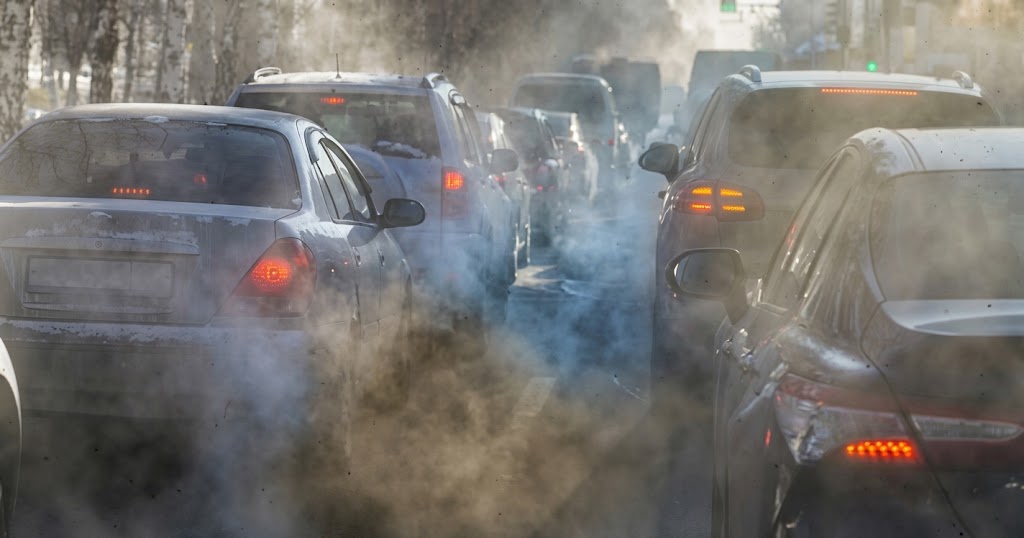
The Environmental Protection Agency has revealed that air pollution costs Ghana approximately US$1.9 billion every year, representing about 2.3 percent of the country’s Gross Domestic Product.
The EPA disclosed the figures while commemorating the International Day of Clean Air for Blue Skies, warning that poor air quality continues to threaten public health and economic development.
The agency cited findings from the United Nations Development Program’s Investment Case for Improved Ambient Air Quality and Health in Ghana Report.
According to the report, ambient air pollution contributes to an estimated 12,870 premature deaths in Ghana annually. The crisis also increases healthcare expenditure and reduces economic productivity through illness, disability and the loss of working hours.
Major contributors include emissions from vehicles, industrial operations and commercial activities. The widespread use of charcoal and firewood for cooking, particularly in poorly ventilated environments, also exposes households to dangerous pollutants.
Other sources include the open burning of waste, dust from unpaved roads and emissions produced by ageing or poorly maintained vehicles.
The EPA said it was strengthening its regulatory and monitoring systems to address the problem. One of the main interventions is the Environmental Protection (Air Quality Management) Regulations, 2025 (L.I. 2507), which provides a framework for enforcing national air-quality and emissions standards.
The agency is also using the Ghana Online Continuous Emission Monitoring System to track industrial emissions in real time. The platform is expected to help regulators identify violations and improve compliance among factories and other major emitters.
The EPA further plans to collaborate with the Driver and Vehicle Licensing Authority to incorporate mandatory emissions testing into vehicle roadworthiness inspections.
The proposed measure is intended to identify vehicles producing excessive pollution and prevent them from continuing to operate without the necessary repairs.
The agency called for stronger cooperation among government institutions, private companies, transport operators and the public, stressing that reducing air pollution would save lives, lower healthcare costs and protect Ghana’s economic growth.
Source: Omanghana